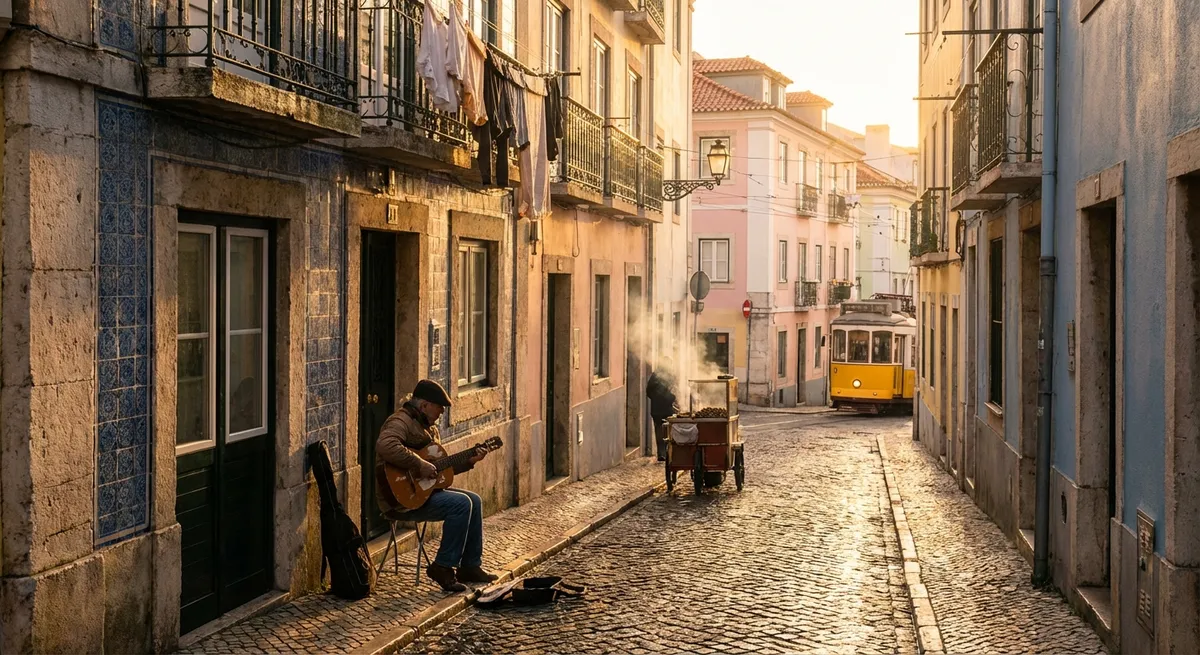
Cities That Wake Up Before Sunrise
Some destinations reveal their soul long before the crowds arrive. Coastal cities and riverfront capitals—think Lisbon, Istanbul, or Bangkok—transform at first light, when fishermen haul in nets, bakers slide trays from hot ovens, and markets flicker awake like a row of lanterns.
Set your alarm obscenely early at least once on your trip. Walk toward the water or the central market with no agenda other than to be there. Order whatever the locals are eating: pastel de nata with burnt-sugar tops, simit still warm from the oven, or noodles cooked over a sputtering street-side wok. This is when you’ll meet shopkeepers sweeping thresholds, kids on their way to school, and grandmothers bartering with impressive precision.
Logistically, sunrise hours are a gift: cooler temperatures in hot climates, fewer crowds at famous viewpoints, and calmer public transit. Bring a light layer, a fully charged phone for navigation in the dim light, and a small stash of cash—many early-morning vendors still prefer coins to cards. Then watch as the city’s heartbeat accelerates around you, and realize you’ve just discovered a version of this place most visitors sleep through.
Landscapes Where Silence Has Its Own Language
There are destinations that shout—neon avenues, busy plazas—and then there are places that whisper: alpine valleys after snowfall, desert dunes just after sunset, empty coasts where the only sound is the sling of waves and wind. These are the landscapes that rearrange your internal volume knob.
Seek out regions where population thins and the sky widens: the Scottish Highlands, Patagonian steppe, American canyon country, or remote islands scattered across the world’s colder seas. Don’t rush through them. Walk a little farther than feels necessary. Sit on a boulder, dune, or pier and do absolutely nothing for a while. Notice how “nothing” quickly becomes everything: the crunch of your boots, distant bird calls, the way clouds drag shadows across the land.
Practical moves matter here. Research trail difficulty and weather windows; mountain and desert environments can shift from welcoming to dangerous in a single afternoon. Pack layers, more water than you think you’ll need, and offline maps—signal often fades where the best silence begins. If you’re unsure, go with a reputable local guide. The reward is a recalibration you can’t download: the realization that you carry far more noise in your head than the world ever asked for.
Neighborhoods That Feed You Like Family
Some of the most unforgettable destinations in the world are just neighborhoods—pockets of a city where flavors, stories, and aromas collide like fireworks. These are the streets with grandmothers rolling dumplings in open doorways, grills smoking on sidewalks, and menus that shift with the afternoon light.
Skip the glossy restaurant list as your only guide. Instead, pick a local market or transit stop as your anchor and explore in slow, hungry spirals. Follow the longest queues, not the prettiest signs. Look for handwritten menus, plastic chairs, and grills improvised over metal drums. Ask vendors what’s in season, what’s selling fast, what they would eat if they had just one meal left that day.
You can keep it smart and safe without losing the thrill. Choose busy spots with high turnover, watch how food is handled, and carry a simple phrase in the local language: “What do you recommend?” or “I’ll have what they’re having.” Pack basic meds in case your stomach protests your bravery. The payoff is bigger than a good meal; you step, however briefly, into the daily rhythm of a community that was living fully long before you arrived.
Journeys That Become Destinations Themselves
There are routes that matter as much as the place you’re headed—mountain railways that hang off cliffsides, ferries that weave between islands, buses climbing through switchbacks with windows flung wide to the wind. Instead of seeing transit as the boring middle, design a trip around a journey that feels like a story.
Look for legendary routes that still serve real communities: trains that cross borders, ferries used by locals, long-distance buses that knit regions together. In places like the Swiss Alps, Japan, or the Balkans, public transportation can be both incredibly scenic and surprisingly accessible. Opt for daytime departures to catch the views, book a window seat if possible, and bring simple comforts: snacks, a scarf, a notebook for capturing impressions on the move.
Allow time for delays instead of scheduling razor-thin connections. That “in-between” day often becomes the one you remember most—the kid who shared their snacks, the endless series of tunnels and bridges, the stranger who pointed out a hidden glacier or temple as you passed. In a world obsessed with shortcuts, choosing the long way is a quiet act of rebellion—and sometimes the purest part of the adventure.
Festivals Where the Whole City Transforms
Some destinations save their wildest selves for a few days each year—when streets close to traffic, balconies drip with lanterns or flags, and strangers dance together as if they’d known each other for decades. Stepping into a city during its festival is like stepping behind a secret door; suddenly the whole place is turned inside out.
Seek out celebrations rooted in local culture rather than built solely for visitors: religious processions, seasonal harvest festivals, new year rituals, or neighborhood parades. Plan ahead—accommodation and transport can book out months in advance—but leave your schedule flexible once you’re there. Follow the sound of drums, bells, or laughter. Watch how locals dress, where they gather, how families participate. Ask permission before taking close-up photos, and join in only where it feels genuinely welcomed.
Check local guidelines: some festivals have sacred elements where observers should remain quiet or keep a distance. Carry a light bag, stay aware of your belongings in crowded streets, and note emergency exits and meeting points if traveling with friends. Done thoughtfully, festival travel lets you see a destination at peak intensity—its beliefs, humor, grief, joy, and contradictions all on public display at once.
Conclusion
The world is not just waiting for you; it’s calling you—in steam and song, in tire tracks across dust, in the rise and fall of unfamiliar accents. The most memorable destinations aren’t always the most famous ones; they’re the places where you allow yourself to be fully present: awake before sunrise, quiet in vast landscapes, hungry in backstreet markets, curious on long journeys, and open in the middle of a city’s biggest celebration.
You don’t have to know exactly where you’re going to begin. Choose a place that tugs at you. Give it your early mornings, your unhurried afternoons, and your willingness to be surprised. The map will handle the rest. Your job is simpler and braver: show up, eyes wide, ready to let the world change you a little.
Sources
- UN World Tourism Organization - Global tourism data and trends that highlight how travelers are engaging with different types of destinations and experiences
- Lonely Planet – Travel Inspiration - Destination features, cultural insights, and practical advice on cities, landscapes, and festivals worldwide
- National Geographic Travel - In-depth articles on landscapes, cultures, and routes that turn journeys into immersive experiences
- U.S. National Park Service - Guidance on exploring natural destinations, trail safety, and preparing for remote environments
- Rick Steves’ Europe – Travel Tips - Practical advice on early-morning city exploration, public transit, and experiencing local neighborhoods respectfully