Below are five captivating ways to rethink where (and when) you go next—so your adventures feel a little wilder, a little freer, and a lot more your own.
1. Chase Shoulder-Season Magic in Iconic Cities
Paris, Rome, Kyoto, New York—these cities shimmer year-round, but their true character often appears when the tourist tide recedes.
In shoulder seasons (late spring and early autumn, plus some winter windows), locals reclaim their neighborhoods, lines shrink, and you gain something money can’t buy: time and space. Imagine wandering Rome’s Trastevere at dusk without dodging tour groups, or stepping into Kyoto’s side streets as a light drizzle makes the lanterns glow brighter. The weather is often gentler, hotel prices soften, and last-minute reservations become possible.
To make the most of it, track local school holidays and major festivals to avoid mini-surges. Walk instead of riding transport when you can; iconic views—like Montmartre in Paris or Brooklyn Heights Promenade in New York—feel different when you arrive by foot, seeing how the city folds around them. Ask baristas, booksellers, or market vendors where they go on their days off; off-peak is when they have a moment to answer, and those tips often become the highlight of your trip.
2. Trade Beaches for Wild Coasts and Stormy Shores
If you think the ocean is only for sun loungers and cocktails, you’re missing its most dramatic season.
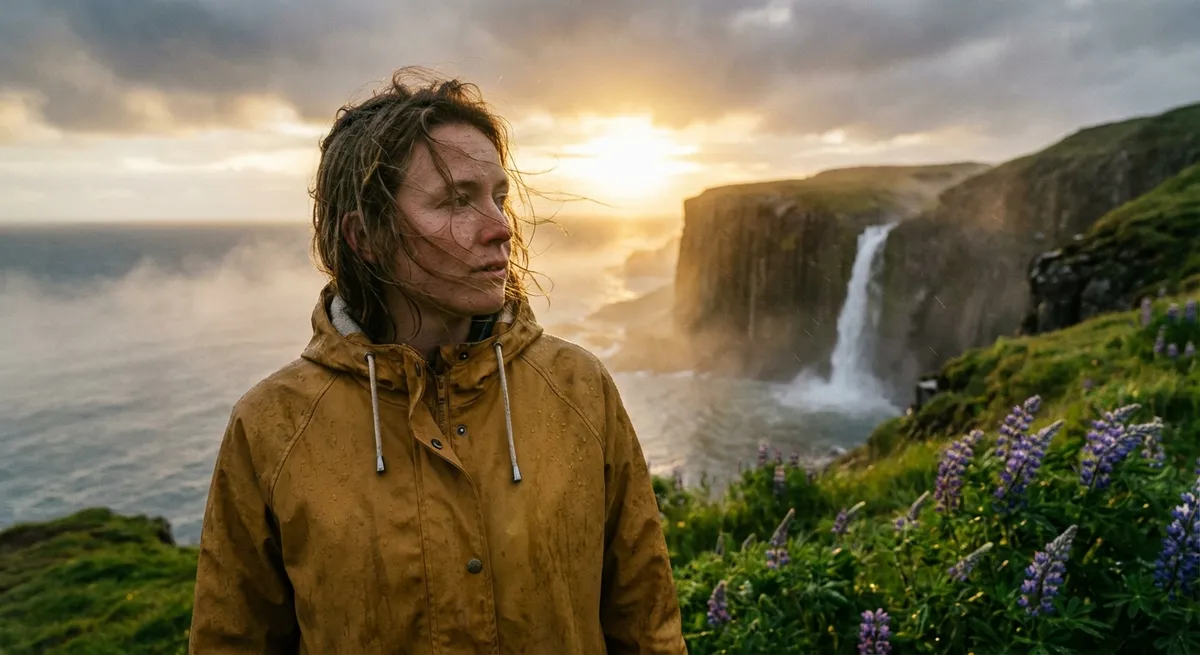
Off-peak coastal travel—think Atlantic cliffs, North Sea harbors, Pacific Northwest shores—turns the sea into a living, roaring backdrop. Waves hammer rocks, lighthouses glow in early twilights, and wind carves the air into something fierce and unforgettable. Coastal paths are nearly empty, and small fishing towns feel like they’re letting you in on a secret.
Pack layers, waterproof outerwear, and shoes you won’t mind getting muddy. Build your days around tide charts and sunrise times: storm watching at dawn, a long café warm-up with local seafood at noon, and a sunset walk when clouds burn orange over the horizon. Instead of swimming, you might book a coastal hike, a lighthouse tour, or a boat trip (if weather allows) to understand just how much these communities are shaped by the sea.
You trade tans for goosebumps—in the best possible way.
3. Step Into “Second Cities” That Steal the Show
While everyone rushes to the capitals, second cities quietly refine their charm.
Think of places like Porto instead of Lisbon, Osaka instead of Tokyo, Lyon instead of Paris, or Valencia instead of Barcelona. These cities hum with culture, food, history, and nightlife—but with softer price tags and less performance. You’re not just consuming a postcard; you’re stepping into everyday life.
Second cities often come with:
- Vibrant food scenes where chefs experiment more freely
- Neighborhoods that feel lived-in, not curated for visitors
- Easier access to nature—rivers, hills, coastlines, or countryside
- Festivals and events that welcome visitors without being built for them
Arrive with curiosity rather than a checklist. Wander local markets, attend a neighborhood performance, or visit a community-run gallery. Because these cities aren’t drowning in fame, you’ll often find locals more curious about you too—conversations start more easily, and the stories you take home feel less generic.
4. Swap Famous Trails for Lesser-Known Routes
The world’s great hikes and treks are popular for a reason—but lesser-known routes can offer equally stunning views with an added layer of solitude.
Instead of the most publicized trail in a country, look for regional routes, old pilgrimage paths, or national park alternatives nearby. A ridge path slightly off the main circuit might give you the same mountain range from a different angle—minus the bottlenecks at viewpoints. Forest trails, canyon walks, and long-distance coastal paths often see fewer visitors yet deliver that same rush of accomplishment when you finish.
Before you go, research difficulty levels, weather windows, and local regulations. Talk to rangers or local guides; ask which trails they love that most visitors skip. Pack thoughtfully—good boots, a layering system, and a small first-aid kit are non-negotiable. The reward? You’ll hear your own footsteps, your own breath, and maybe the crunch of a deer or goat nearby—rather than the murmur of a crowd.
Your photos might not match the ones trending online, but your memories will feel utterly your own.
5. Find Nighttime Cities That Only Wake Up After Dark
Some destinations save their best stories for after sunset.
There are cities where the real magic begins once the day-trippers leave: street food stalls ignite grills, night markets bloom into color, riverside promenades glow, and music seeps from basements and back alleys. Think of places with strong food traditions, live music cultures, or night bazaars—Southeast Asian cities, European cultural hubs, or Latin American metropolises.
Instead of packing your schedule with morning-to-evening sightseeing, design at least one trip around late starts and late nights. Sleep in, eat a leisurely lunch, then conserve energy for when neon lights flicker on and the air thickens with the smell of grilled spices and street snacks. Ride a night tram, walk a lit-up riverfront, or follow your ears to live music.
Stay alert and prioritize safety—use registered taxis or rideshares, keep valuables close, and know how to get back to your accommodation. Done wisely, exploring a city’s nocturnal personality can feel like discovering a parallel version of the place, one that many travelers never bother to meet.
Conclusion
The next place you go doesn’t have to be the most famous, expensive, or photographed. It can be a stormy coastline in the “wrong” season, a second city that quietly outshines its capital, or a trail that never ended up on a postcard.
When you follow seasons instead of crowds, curiosity instead of checklists, and your own rhythm instead of the internet’s, destinations stop being backdrops and start becoming collaborators in your story.
The world is vast. Pick your moment, pick your angle—and let your next hop land somewhere that surprises even you.
Sources
- UN World Tourism Organization – Seasonality in Tourism - Offers research and insights on tourism flows, including the benefits of traveling outside peak seasons
- U.S. National Park Service – Plan Your Visit - Practical guidance on visiting parks, trails, and natural areas safely and responsibly
- Lonely Planet – Shoulder Season Travel Tips - Explores why traveling in shoulder season can be rewarding and how to plan it
- BBC Travel – The Rise of Second Cities - Discusses why second cities can offer deeper, more authentic experiences
- National Oceanic and Atmospheric Administration (NOAA) – Tides and Currents - Essential resource for planning safe and informed coastal and storm-watching trips