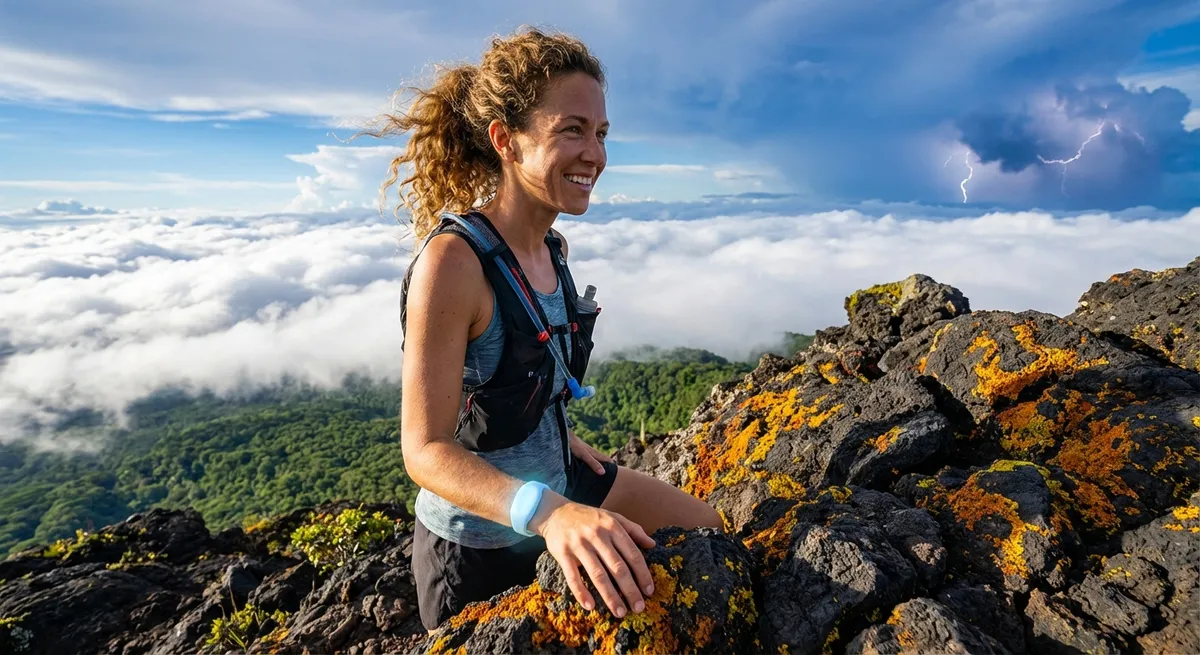
Below are five pulse-raising ways to travel that pull you off autopilot and drop you straight into the living, breathing heart of a place—without needing an unlimited budget or elite gear.
1. Chase First Light Instead of Famous Lines
Standing in front of a landmark with a thousand phones in the air rarely feels like adventure. Standing in the blue hush before sunrise, when a city or coastline is still half-asleep, absolutely does.
Trade crowded midday sightseeing for first light missions. Hike to a nearby overlook with a cheap thermos of coffee. Wander empty alleyways in an Old Town before the shutters roll up. Jog along a riverfront while fog lifts off the water. Sunrise is when ordinary places feel like secret worlds temporarily loaned to you.
Adventure tip:
- Use sunrise and blue hour as your “golden ticket” to popular spots. You’ll see them like locals rarely do—quiet, intimate, and alive with small details.
- Pack a lightweight headlamp, a warm layer, and a simple breakfast the night before so you can just roll out the door.
- Check sunrise times and weather in advance, but don’t obsess. A moody, clouded sky can be more epic than a perfect one.
The payoff isn’t simply better photos—it’s the sensation that you’re discovering a place instead of consuming it.
2. Turn Everyday Movement Into Micro-Expeditions
Not every adventure needs a multi-day trek or a passport stamp. Some of the most vivid memories come from treating ordinary movements—walking, biking, taking a tram—as if they were tiny expeditions.
In a new city, pick a point on the map a few kilometers away and walk there instead of calling a ride. Follow side streets that “look interesting” rather than the most efficient route. In coastal or lakeside destinations, rent a bike or kayak for a few hours and trace the edges of the water. On trains or buses, hop off one stop early and explore the in-between.
Adventure tip:
- Choose one transit segment each day to “slow down on purpose”: walk instead of ride, ride instead of drive.
- Use offline maps, but zoom out less—let your feet or wheels make some of the decisions.
- Carry minimal but strategic gear: a refillable water bottle, small first-aid kit, and sun or rain protection.
When you travel this way, distance becomes a story you move through, not just a gap you skip over.
3. Let Local Traditions Rewrite Your Comfort Zone
Adventures that stick tend to have at least one moment where you think, “This is way outside my normal life.” Local traditions are the gentlest doorway into those moments—shared rituals that invite you to cross your own invisible lines.
Maybe it’s joining dawn tai chi in a park in Beijing, learning a few steps of a folk dance at a village festival, or soaking in an onsen in Japan while you wrestle with body insecurities and etiquette. It could be tasting a dish you can’t pronounce at a bustling market, or sitting still through a long, unfamiliar ceremony where you don’t understand the words but feel the weight of them.
Adventure tip:
- Look for community events boards, cultural centers, or free walking tours that highlight local customs.
- Approach with humility: ask what’s appropriate, what’s sacred, and when it’s okay to simply observe.
- Notice your own resistance—embarrassment, shyness, fear of “doing it wrong”—and treat it as a trailhead, not a stop sign.
These aren’t just cultural checkboxes. They’re lived invitations to see who you become when you say “yes” to the unfamiliar.
4. Follow Water: Rivers, Coasts, and Hidden Springs
If you’re ever unsure where adventure lives in a destination, follow the water. Rivers, coastlines, canals, and springs carry trade, stories, and life—and they naturally pull you into the wild edges of a place.
In cities on rivers, walk from source-facing neighborhoods toward the busier mouth or harbor, noticing how architecture, food, and language shift along the way. In coastal towns, hike cliff paths instead of just staying on the main beach, or take a simple local boat ride instead of a polished tour. Inland, ask locals about swimming holes, waterfalls, or hot springs that don’t make the glossy brochures.
Adventure tip:
- Use satellite view on maps to look for blue streaks and pools, then research accessibility and safety.
- Respect currents, tides, and local warnings—adventure is not about ignoring risk, but dancing with it intelligently.
- Pack a compact towel and swimsuit in your day bag so you’re always ready for an unplanned dip.
Following water connects you to the raw geography of a place and often leads to communities and corners that guidebooks skip.
5. Build One “Stretch Goal” Into Every Trip
Every journey deserves at least one anchor moment—the kind you’ll still be talking about a decade from now. It doesn’t have to be extreme; it just has to be a stretch from your current comfort level.
Maybe it’s your first solo overnight in a mountain hut, your first time scuba diving or snorkeling over a coral reef, or a multi-day bike ride between villages. It could be something more internal: speaking only the local language for a day, or traveling offline without constant digital comfort.
Adventure tip:
- Before you go, ask: “What could I do on this trip that would genuinely surprise my future self?”
- Break it into steps: training hikes at home, a swim course, basic language lessons, or gear research.
- Share your intention with someone you trust and with one local if possible—they might offer support or join you.
The point isn’t to collect bragging rights—it’s to come home altered in some small, unmistakable way, aware that your edges are far more flexible than you believed.
Conclusion
Adventure isn’t waiting on some distant horizon—it’s hiding in the hour before sunrise, in the side street you didn’t mean to turn down, in the river that slices through a city, in the tradition that feels strange until it feels like a privilege, and in the one brave step past what you thought you could handle.
When you travel with this mindset, you don’t just hop to the next destination—you hop to the next version of yourself. The world doesn’t just show you new places; it shows you new possibilities inside you.
Pack your curiosity. Pack your respect. Pack one wild idea. Then let the planet set the pace—and see where it dares you to move next.
Sources
- UN World Tourism Organization – Tips for Responsible Travel - Guidance on traveling respectfully and engaging with local cultures and environments
- Leave No Trace Center for Outdoor Ethics - Core principles for minimizing impact during outdoor adventures and water-based activities
- U.S. National Park Service – Hiking Safety - Practical advice on planning safe hikes and stretch-goal treks
- Centers for Disease Control and Prevention – Travel Health - Information for staying healthy and prepared during international adventures
- Lonely Planet – Travel Tips & Inspiration - Articles and guides on immersive travel experiences and offbeat ways to explore destinations