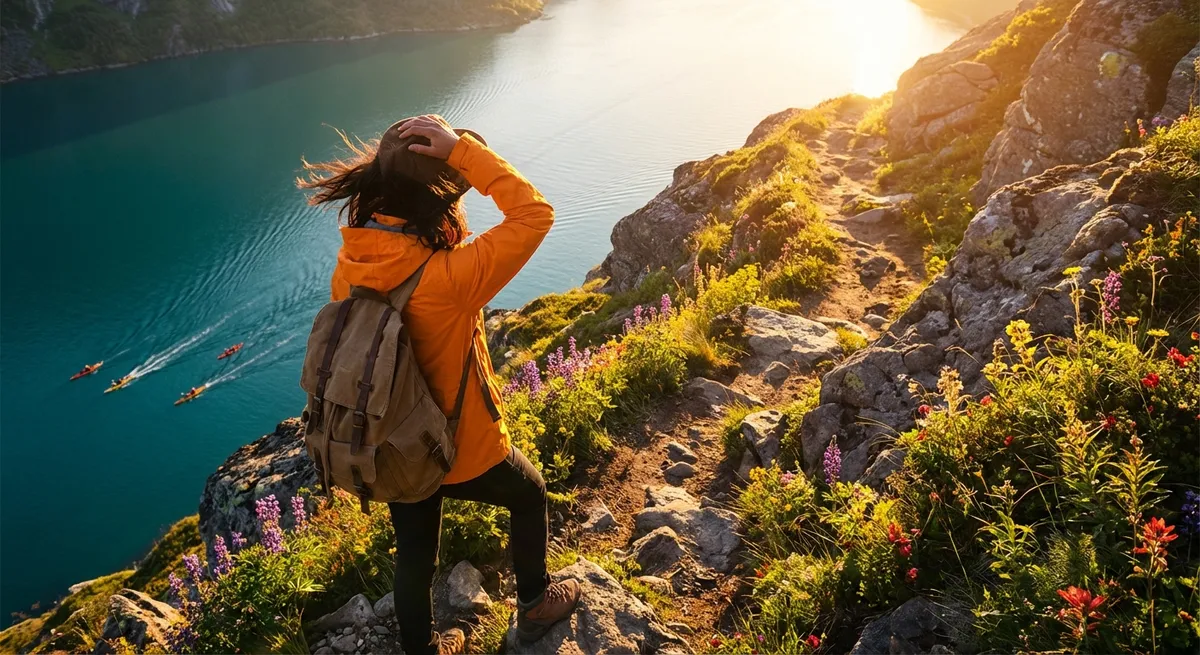
Below are five kinds of destinations—anchored in real places around the world—that turn a simple trip into an unforgettable stretch of days.
1. High-Altitude Towns That Teach You to Breathe Differently
There’s a special kind of quiet that only exists above the clouds. Think of Cusco in Peru, Leh in India, or La Paz in Bolivia—cities cradled in the mountains, where the sky feels startlingly close and every step reminds you there’s less oxygen up here and more room in your mind.
At altitude, you can’t rush. You walk slower, drink more water, notice the crispness in the air and the way light shifts off stone walls and distant peaks. Morning markets become your acclimatization walks; hot street-side tea doubles as altitude medicine. The reward? Trails that lead to glacier-fed lakes, monasteries hanging off cliffs, and night skies so clear you can trace your next move in the constellations.
Practical edge:
Arrive with an extra day or two just to adjust. Skip heavy meals and intense hikes on day one. Pack layers for wild temperature swings, and talk to locals about day trips—they know which viewpoints are spectacular without being punishing. High-altitude towns reward those who move with intention, not ego.
2. Night-Alive Cities Where the Dark Becomes Your Playground
Some destinations truly wake up after sunset. Neon-lit Tokyo neighborhoods, the lantern-lit lanes of Hoi An, and the riverfronts of Budapest and Porto all flip a switch when the sun goes down. The streets soften, conversations stretch longer, and you see a different personality emerge.
In these places, you’re not just “going out”; you’re slipping into a parallel city. You might wander past late-night food stalls perfuming the air with grilled skewers or step onto a river cruise that turns the whole skyline into a moving postcard. You can linger at street-side cafés, people-watch in lively plazas, or follow the sound of live music down a narrow alley until you find a hidden bar or busker worth staying for.
Practical edge:
Lean into structured night experiences your first evening—sunset boat rides, night markets, organized food tours. They help you get your bearings and feel the rhythm. After that, follow your curiosity, but keep your street smarts: download offline maps, stick to lit areas, and ask locals or your accommodation staff which neighborhoods feel safest and most vibrant after dark.
3. Borderland Regions Where Cultures Overlap and Blend
Border regions are where maps blur and stories multiply. Stand in the San Diego–Tijuana corridor, wander the Balkans, or explore the border between Thailand and Laos and you’ll feel it: food, language, and history aren’t either/or—they’re both/and.
These destinations invite you to taste fusion before you ever read the word on a menu. You’ll find hybrid dishes that exist nowhere else, hear conversations slip between languages mid-sentence, and see architecture carry traces of empires, migrations, and quiet resistance. Crossing a bridge or a short ferry ride might drop you into a completely new currency, alphabet, or rhythm of life—without traveling far in distance.
Practical edge:
Research visa rules, crossing hours, and documentation before you go; some borders are fluid for locals but formal for visitors. Try to stay on both sides instead of doing a quick “border hop.” Let bus routes, local markets, and shared taxis show you how these places actually connect. And listen more than you speak—borderlands are complex, and every person you meet holds a fragment of the story.
4. Island Communities Where Time Runs on Tide and Wind
There are islands built for resorts—and then there are islands built for living. Choose the latter. Think of the Azores in the Atlantic, the Faroe Islands between Iceland and Norway, or smaller, less-hyped Greek or Indonesian islands where ferries bring in bread and news, not just tourists.
On these islands, your schedule quietly syncs to the tides and the weather forecast. Morning hikes trace cliffs and volcanic craters; afternoons might be for cold-water swims, coastal bike rides, or simply reading in a harbor café while fishing boats drift in. Conversations with locals carry generations of stories—storms, shipwrecks, migrations, and the stubborn pride of people who decided this rock in the sea was enough of a universe.
Practical edge:
Pack for unpredictability: waterproof layers, a power bank, and snacks in case ferries or buses run late. Respect that you’re stepping into a tight-knit community: learn basic phrases, ask permission before photographing people or private boats, and support small family-run spots over big chains. Island time isn’t laziness; it’s a practiced acceptance of nature’s schedule. Move with it, and you’ll relax in ways you didn’t know you needed.
5. Rail Corridors That Turn the Journey Into the Main Event
Some of the world’s most memorable destinations are actually routes. Long-distance train lines—like Europe’s cross-border networks, Canada’s transcontinental routes, or Japan’s Shinkansen corridors—transform the simple act of getting from A to B into a slow-burn adventure.
From your window seat, countries unfold in real time: farmland giving way to forests, mountains rising out of plains, busy ports sliding into quiet villages. On board, you share a temporary home with strangers—families picnicking on regional trains, students commuting, travelers swapping tips in the dining car. There’s magic in going to sleep in one landscape and waking up in another, all without stepping through airport security.
Practical edge:
If you can, choose at least one long daylight segment. Bring a notebook or offline journal app and treat the train as your reflection space: jot down what you’ve seen, who you’ve met, what surprised you. Pack snacks, a refillable bottle, and a scarf or hoodie (trains can be over-air-conditioned). Use rail passes or regional tickets strategically; sometimes a slower local train gives richer memories than the fastest possible route.
Conclusion
The destinations that stay with you aren’t always the ones with the biggest marketing budgets or the boldest hashtags. They’re the high towns that teach you to breathe, the cities that whisper louder at night, the borderlands that mix histories, the islands that run on tides, and the train lines that turn movement into meaning.
When you choose your next stop, don’t just ask, “What is there to see?” Ask, “How will this place ask me to live while I’m there?” Pick destinations that shift your pace, stretch your comfort zone, and leave you with stories only you can tell. The world is wide, but the version you experience is up to you—so follow the horizon that feels just out of reach, and let it pull you into a bigger life.
Sources
- UN World Tourism Organization – Tourism Data & Insights - Global tourism trends and information on popular and emerging regions
- U.S. Centers for Disease Control and Prevention – Travelers’ Health - Guidance on altitude, regional health considerations, and practical safety tips
- UK National Health Service – High Altitude Sickness Advice - Medical guidance on acclimatization and staying healthy in high-altitude destinations
- Japan Railways Group – JR Rail Pass & Route Information - Official details on rail travel in Japan and how to structure train-based itineraries
- Azores Tourism Board – Visit Azores - Official information on island travel, weather, and nature-based experiences in the Azores