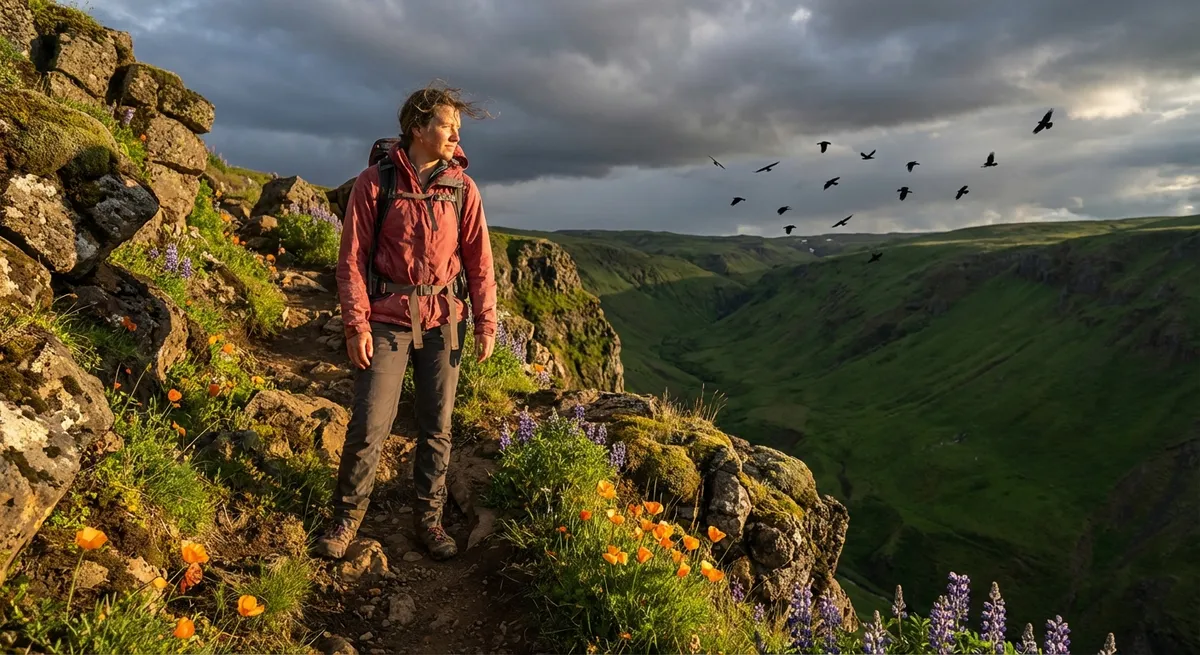
This is your invitation to start following the “goosebump trail”: those experiences that stretch you just enough to be thrilling, not terrifying; wild, but still within reach. Below are five kinds of adventures that don’t just fill your camera roll—they change your pulse, your perspective, and the stories you tell about who you are.
1. Chase Sunrises in Places That Demand a Little Effort
Most people sleep through the best part of the day. Adventurers don’t. They set alarms for unruly hours, lace up in the dark, and climb, paddle, or wander their way to a front-row seat for the sky’s first spark.
You don’t need a famous volcano or a bucket-list name to make this magic work. A viewpoint above a small coastal town, the ridge behind a rural village, or even a dock on a misty lake can deliver a show that feels otherworldly. The key is earning the sunrise—adding some sweat, chill, or uncertainty before the light arrives. That effort rewires the moment from “pretty” to “profound.”
Bring a headlamp, a thermos of something warm, and layers you can strip off as you move. Start your route the day before in daylight: walk part of the trail, talk to locals, or ask park rangers about terrain and wildlife. Use offline maps, note key landmarks, and always tell someone where you’re going and when you’ll be back.
The reward isn’t just the view. It’s the feeling of watching the sun rise with you, as if the universe just whispered, “You showed up early; you get the good seats.” When the light hits, let yourself pause longer than feels efficient. Adventurers learn to linger—because some skies only ever happen once.
2. Let Wild Water Reset Your Nerves
Oceans, rivers, waterfalls, hot springs—water adventures wake up parts of you that everyday life gently numbs. The cold sting of a mountain river, the rhythmic pull of a tide, the roar of a hidden cascade: these are nature’s way of telling your nervous system, Remember what it’s like to really feel.
Start with whatever level of wild feels right to you. Maybe it’s a guided kayaking trip through a bioluminescent bay where every paddle stroke sparks light. Maybe it’s canyoning down waterfalls with a certified guide, or just committing to swimming in natural water wherever you travel—lakes, sea, rivers, or thermal pools.
Research conditions carefully: currents, water temperature, tides, and local hazards like rip tides or flash floods. Check official park or coastal safety sites and heed posted warnings. Consider a life jacket for anything beyond casual swimming and never go alone in unfamiliar or fast-moving water.
Pack a small “water kit”: quick-dry towel, secure waterproof bag, extra layers, and a basic first-aid kit. Learn simple water safety cues from lifeguard and coast guard resources before you go; they’ll take up an evening at home and could save your life on the road.
What lingers long after is not just the splash or the adrenaline, but the clarity that follows. There’s a reason people talk about “baptism moments”—a plunge into wild water can feel like you left a heavier version of yourself upstream.
3. Step Into Landscapes That Dwarf Your Daily Worries
Our problems feel huge when our world feels small. Then you stand at the edge of a canyon, in the hush of an ancient forest, or beneath mountains older than civilization, and your inner noise suddenly shrinks to size.
Seek out environments that make you feel deliciously tiny: high plateaus, desert expanses, glacier valleys, towering cliffs, or giant tree groves. These places are built for awe, and awe is an underrated adventure skill—it softens your ego, sharpens your senses, and makes you quietly brave.
Before you go, understand the landscape on its own terms. High-altitude hikes demand acclimatization, slow pace, plenty of water, and awareness of altitude sickness. Desert treks require early starts, sun protection, and more water than you think. Remote forests ask for navigation skills, proper footwear, and weather-proof layers.
Use official trail maps, national park websites, and local guide services to assess difficulty and risk. Respect closures and seasonal warnings; they’re not suggestions. If you’re new to big landscapes, start with guided day trips, then work your way toward more independent routes as your confidence and skills grow.
In these oversized spaces, something subtle happens: your inner monologue gives way to quiet observation. You notice rock textures, cloud shadows, bird calls echoing across ravines. And somewhere between the second and third hour on the trail, you realize the thing that once felt overwhelming back home…doesn’t anymore.
4. Design One “Micro-Challenge” in Every Trip
Adventure isn’t only about where you go; it’s about what you choose to try once you arrive. The most memorable journeys often hinge on a single decision: to say yes to something that makes your heart race a little.
Create a personal rule: on every trip, you’ll attempt one micro-challenge—a stretch beyond your current comfort zone that’s daring but still intentional. It might be rock climbing on a beginner route with a certified guide, cycling a steep coastal road, riding a horse through highlands, paragliding over a valley, or trying a via ferrata with proper equipment and support.
The trick is to keep it both bold and informed. Research operators thoroughly, choosing outfits with strong safety records, licensed guides, clear briefings, and recent positive reviews from experienced travelers. Read what went wrong for others too—this tells you how a company responds when things aren’t perfect.
Ask about equipment checks, guide training, group size, and what conditions lead to trip cancellations. If they shrug off safety questions, walk away. Real pros are happy to talk through precautions and contingency plans.
That single micro-challenge becomes a pivot point in your story. Once you’ve leaned back over an abyss on a steel cable or stood up on your first surfboard, decisions that once felt intimidating—changing careers, moving cities, ending what isn’t working—start to look a lot more possible.
5. Turn Encounters Into Friendships, Not Just Photos
The bravest adventure isn’t always jumping off something high. Often, it’s starting conversations in places where you don’t know the rules yet. The world opens differently when you stop moving around people and start moving with them.
Instead of snapping a quick shot of a bustling market and moving on, sign up for a local cooking class, join a community hike, or volunteer a few hours with a local environmental or cultural project. Look for locally run experiences rather than mass-produced tours: homestays, walking tours led by residents, or craft workshops in neighborhood studios.
Approach with humility. Learn key phrases in the local language—greetings, thank you, please, sorry. Read up on cultural norms around dress, public behavior, and photography before you arrive. Ask permission before capturing people in your photos, especially in sacred or private spaces.
Economically, choose where you spend your money with intention: locally owned guesthouses, small restaurants, and guides who can tell you their own family stories. This not only enriches your experience; it helps your presence contribute to the places you’re falling in love with.
What you remember later often isn’t the landmark; it’s the tea offered in a back room, the shared joke with someone whose life looks nothing like yours, the moment you were invited into a tradition you didn’t even know existed. Those human connections become your most enduring souvenirs.
Conclusion
Adventure doesn’t always look like dangling off cliffs or crossing continents. It can be as simple—and as radical—as waking before dawn to chase a new sunrise, saying yes to wild water, seeking out landscapes that shrink your stress, designing small but powerful challenges, and allowing strangers to become part of your story.
The through-line in all of it is this: you choose to show up more fully than your routine requires. You accept a little more risk, a little more wonder, a little less control. And in return, the world offers you versions of yourself you haven’t met yet.
Your next move doesn’t need to be perfect. It just needs to be real. Pick a place, choose one of these goosebump-worthy experiences, prepare with care, and go meet the version of you that only exists on the other side of the unknown.
When in doubt, follow the goosebumps. They’re your compass to a life that feels vividly, unmistakably alive.
Sources
- National Park Service – Trip Planning and Safety - Guidance on preparing for hikes, weather, and terrain in national parks
- U.S. National Oceanic and Atmospheric Administration – Rip Current Safety - Essential information on staying safe in ocean waters and understanding currents
- Centers for Disease Control and Prevention – Healthy Travel - Practical health and safety tips for international travelers
- American Alpine Club – Climbing Safety and Best Practices - Recommendations for managing risk in climbing and similar adventure activities
- UNESCO – Sustainable Tourism Guidelines - Insights on respecting local cultures and supporting communities while traveling