Redefine Luxury: Chase Experiences, Not Price Tags
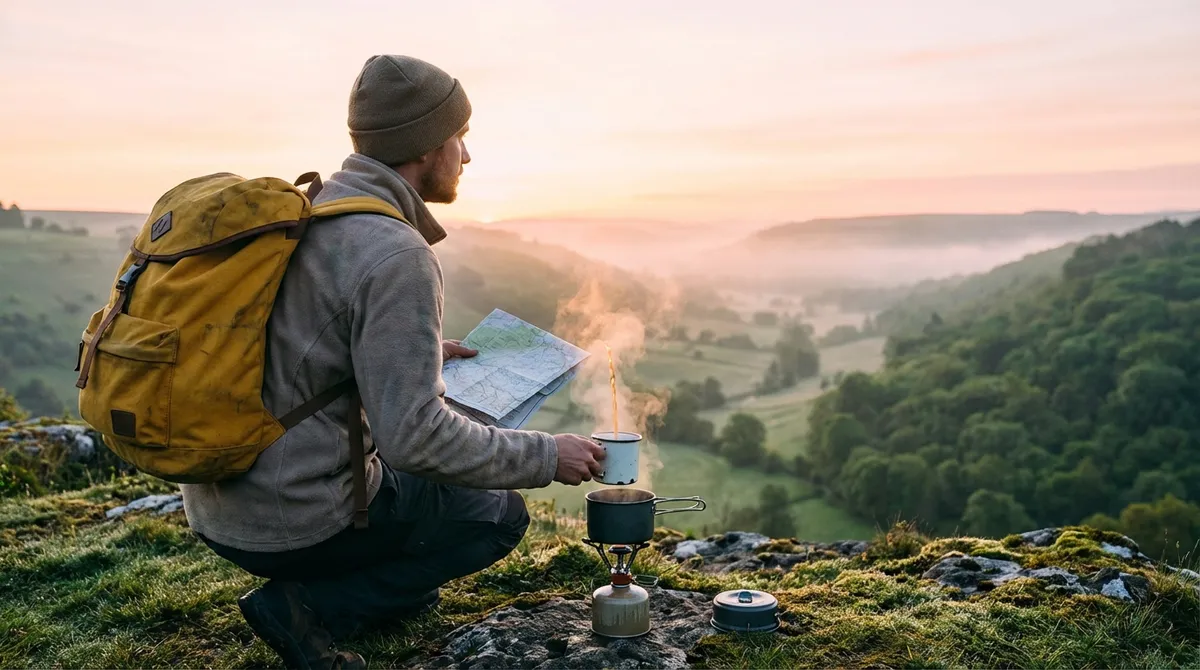
Luxury doesn’t have to mean marble lobbies and rooftop infinity pools; it can be the hum of a night market, the clink of tiny coffee cups in a side-street café, or the silence on a mountain ridge at dawn.
When you shift your focus from “things” to “moments,” your budget suddenly becomes far more powerful. Instead of splurging on a central five-star hotel, you might book a locally owned guesthouse with a courtyard strung with lanterns, where the owner tells you stories over homemade breakfast. That trade-off saves money while gifting you something richer: connection.
Start planning your trips around experiences you can’t buy in a souvenir shop—street food tours guided by your own curiosity, free city walking tours, public ferry rides instead of private cruises, sunset viewpoints instead of ticketed attractions. When your goal is to fill your days with vivid memories rather than expensive amenities, the pressure to overspend fades, replaced by the thrill of discovery.
Ride the Local Pulse: Transport That Turns the Journey Into the Story
The most unforgettable moments often happen between point A and point B. Budget travelers learn to treat local transportation not as a compromise, but as the main stage.
Hop on that crowded city bus where musicians climb aboard for two stops to play guitar. Take the overnight train where strangers share snacks in the dim glow of the carriage lights. Use metro lines, trams, tuk-tuks, and shared taxis to see how a place actually moves. These options are almost always cheaper than taxis or rental cars, and they plug you directly into the rhythm of local life.
Before you go, study public transit maps and apps, compare passes and day tickets, and look up how residents really get around. Booking regional buses or trains a bit in advance can score huge discounts, especially in Europe and parts of Asia. Instead of seeing transit as lost time, treat it as your moving observation deck—the place where your budget choices hand you front-row seats to the everyday world.
Sleep Smart: Stays That Trade Square Footage for Soul
Your accommodation can quietly devour your budget—or expertly power it. The key is learning to pay for what you actually need instead of what marketing tells you to want.
Maybe you don’t need a massive room if you’ll be out exploring all day. A clean, safe hostel with privacy curtains and lockers can be more than enough, especially when it comes with a built-in community kitchen and a rooftop where travelers swap stories under string lights. In some cities, university dorms open to travelers during holidays, and monastery or convent stays offer simple rooms in extraordinary locations.
Consider alternatives like homestays, guesthouses, farm stays, and house-sitting. These often cost less than chain hotels and repay you with something money usually can’t buy: insider advice, homemade food, and a window into daily life. If you’re traveling slower—spending a week or more in one place—negotiating a weekly rate for a studio or room can dramatically lower your per-night cost. The less your accommodation demands from your wallet, the more the world opens up beyond its door.
Eat Where the Stories Are: Flavors That Don’t Break the Bank
Some of the best meals on Earth are served on plastic stools, paper plates, or from carts that roll out only after dark. Following your appetite instead of the guidebook can be the most delicious budget hack you’ll ever use.
Skip the tourist strips where menus come in eight languages and prices are padded for convenience. Instead, notice where office workers line up at lunch, where families gather on weekend evenings, and which food stalls have a steady stream of regulars. Street food, local bakeries, family-run diners, and market halls are often both cheaper and more authentic than polished restaurants.
Buy fresh fruit at morning markets, picnic in parks, and cook occasionally if your stay includes a kitchen. A simple supermarket haul—bread, cheese, local snacks—can become a sunset feast on a pier or hilltop. Budget doesn’t mean bland; it means you can try three different bowls of noodles instead of one overpriced plate of pasta, and taste a city through its everyday flavors, not just its Instagram-famous dishes.
Stretch Time, Not Just Money: Slow Travel That Feels Deep, Not Cheap
The faster you move, the more money you burn. Flights, constant transfers, and jam-packed itineraries all add up quickly. Budget travelers learn an unexpected truth: slowing down isn’t just kinder to your bank account—it makes the journey more meaningful.
By staying longer in fewer places, you discover hidden side streets that never appear in itineraries, find the café that knows your coffee order by day three, and figure out which park fills with families at sunset. Weekly transport passes, longer-term stays, and off-peak museum visits often come with discounts. But the real reward is depth.
When you stop rushing, you notice the details: the way the light hits old stone at 5 p.m., the rhythm of a neighborhood as it wakes, the market vendors greeting each other like old friends. Your days become less about “checking off” attractions and more about living inside a place, even if only for a short time. Your budget stretches, but more importantly, your sense of belonging in the world stretches too.
Conclusion
Budget travel isn’t the art of going without—it’s the art of going with intention. When you choose experiences over status, local buses over backseat isolation, humble stays over hollow luxury, and slow days over frantic box-ticking, you’re not just saving money. You’re trading it for something far more valuable: stories that will outlast your receipts.
Your bank balance doesn’t have to dictate the size of your adventure. With curiosity as your compass and a few smart choices as your toolkit, you can step into a world that feels wide open—even when your budget is not. The map is the same for everyone. How far you let it take you is up to you.
Sources
- U.S. Department of State – Travel Advisories - Official guidance on safety and conditions that can affect budget planning and destination choices
- National Geographic – The Rise of Slow Travel - Explores the concept of slow travel and how staying longer in fewer places changes the experience
- Lonely Planet – Budget Travel Tips - Practical strategies for saving money on accommodation, food, and transport around the world
- Rick Steves Europe – Money-Saving Tips - Detailed advice on stretching your budget, especially in European destinations
- BBC Travel – Why Street Food Is the Ultimate Way to Taste a City - Explains the cultural and financial advantages of eating like a local through street food