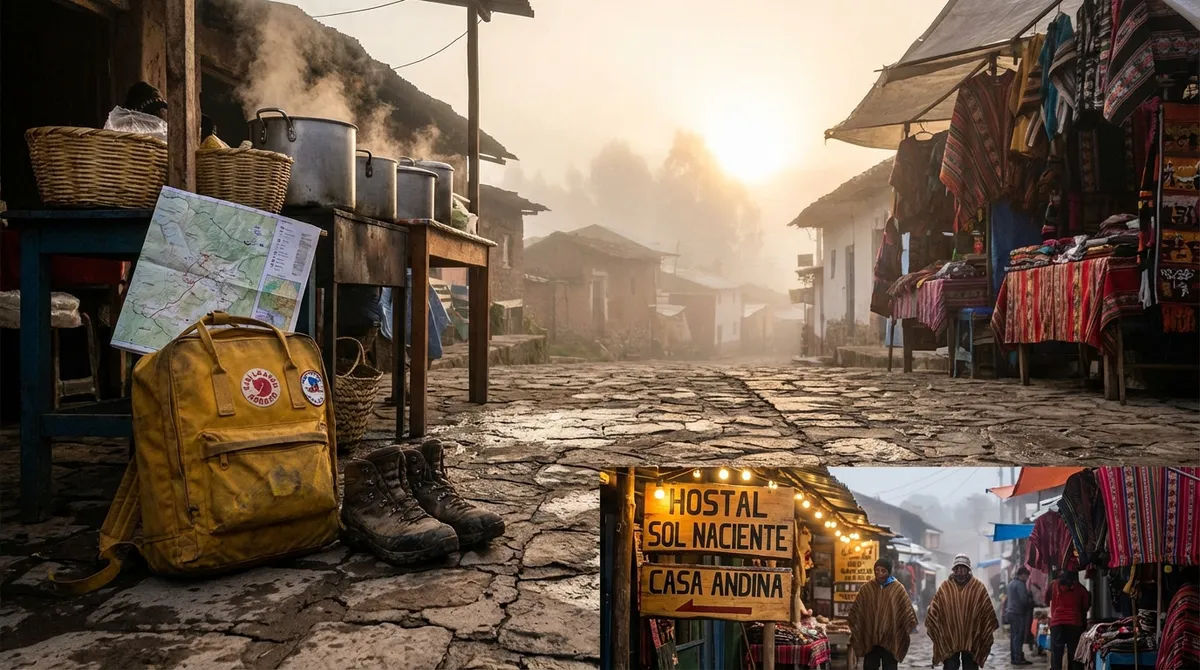
This is your invitation to treat budget as a creative challenge, not a cage. With the right mindset and a few smart moves, you can turn limited funds into a series of unforgettable escapes. Here are five powerful shifts that turn budget travel into a full-on adventure strategy.
Trade Price Tags for Stories: Sleep Where the City Breathes
The hotel with the infinity pool might look good on a brochure, but it’s rarely where a city shows you its soul. Budget travelers know that the most memorable nights often happen where the comfort is “good enough” and the stories are off the charts.
Look for guesthouses, hostels, and family-run stays tucked into real neighborhoods instead of tourist zones. These places often come with shared kitchens, long wooden tables, and mismatched couches where conversations start over boiling kettles and communal dinners. A bunk room or tiny private room might feel like a compromise at first, but it can buy you three extra days in a city—or a whole additional country.
Platforms that specialize in budget stays, local homestays, or short-term rentals can unlock pockets of a city where bakeries open at 6 a.m., kids play soccer in alleys, and retirees hold court on street corners. You’re not just passing through; you’re brushing up against everyday life. The trade-off is simple: slightly fewer frills, infinitely more connection.
Sleep where the city breathes, and you’ll wake up with stories you couldn’t purchase even with a platinum card.
Ride the Local Pulse: Turn Every Commute Into a Front-Row Seat
Every traveler has a choice: watch a destination through a taxi window, or feel it from the inside of a bus, tram, or shared van packed with locals and their daily lives. Budget travelers pick the second option—and discover that transportation isn’t just a way to get from A to B. It’s where you read the city’s heartbeat.
Instead of defaulting to rideshares, learn the public transit map like it’s your new language. Buses that cost less than a coffee can carry you from glittering downtowns to quiet outskirts where markets, parks, and side-street cafes hide far from the tourist trail. Trains, metro systems, and long-distance buses often come with dramatic views of coastlines, mountains, or endless fields—natural scenery that would cost a fortune as a “tour,” but is practically free when you go local.
In many regions, budget-friendly transportation passes or regional rail cards can dramatically lower your daily costs while adding freedom to your itinerary. That cheap commuter train might drop you in a tiny town with a morning farmers’ market you’d never find in a guidebook. You’ll share air with commuters reading newspapers, teenagers sharing headphones, street vendors hopping on and off—all the micro-moments that turn “somewhere on a map” into a living, breathing place.
If you want immersion on a budget, follow the locals—right onto the next bus.
Eat Like You Live There: Markets, Street Food, and Invisible Menus
The fastest way to burn through your travel funds is to eat like a tourist. The fastest way to understand a place—while saving serious cash—is to eat like you belong there.
Start your days at local markets where the air smells like grilled corn, roasted coffee, sea salt, or fresh herbs. For the price of one fancy restaurant meal, you can piece together an entire day of flavor: a bag of ripe fruit, hot bread from a street stall, cheese or cured meats from a vendor who insists you try a sample first. Street food scenes around the world deliver high-impact flavor for a low impact on your wallet, from tacos on a plastic stool to noodles served in a steaming metal bowl.
Skip laminated tourist menus on busy squares and drift a few blocks deeper into residential streets. Look for crowded spots with handwritten menus and people waiting at the door. Ask locals—your host, the barista, the bus driver—where they actually eat. Many cities also offer affordable set menus at lunch, where you get multiple courses for the price of a single dish at dinner.
If your accommodation offers a kitchen, embrace it. Cooking a few meals with local ingredients saves money and lets you experience a country’s flavors hands-on. Learning to navigate a foreign grocery store—guessing what’s inside unlabeled jars, comparing unfamiliar spices—becomes its own low-cost adventure.
On a budget, food becomes more than fuel; it becomes your most delicious map.
Follow Time, Not Checklists: Slow Down to Go Further for Less
There’s a travel myth that “seeing more” means crossing the maximum number of borders in the shortest time. In reality, that pace drains your wallet and your energy. Budget adventurers flip the script: they use time as their secret luxury and slow down to go deeper.
Instead of five cities in seven days, choose one or two and stay long enough to grow familiar with them. Weekly or monthly rentals can be dramatically cheaper per night than short stays, and you’ll cut costs on constant transport, rushed tours, and all the little expenses that come with being perpetually in transit. When you stop treating your trip like a race, cheap or free experiences suddenly have space to fill your days: long walks through neighborhoods, sunset viewpoints that require a bit of a climb, public parks, free museum days, and local events.
A slower itinerary also gives you flexibility to chase deals as they appear—last-minute train tickets, discounted excursions, or free community festivals you learn about only after you arrive. When you’re not locked into every minute, you can follow recommendations from locals and fellow travelers instead of expensive “must-do” lists.
Travel slowly and your budget stretches, your stress drops, and your connection to the place deepens. The world stops feeling like a blur and starts feeling like somewhere you’ve genuinely lived—even if only for a week.
Turn Your Skills Into Tickets: Work, Volunteering, and Creative Swaps
If you’re willing to trade time, energy, or creativity, your budget stops being a limitation and starts becoming a game. Around the world, opportunities exist for travelers who want to contribute in exchange for a place to sleep, a meal, or even a bit of extra income—transforming what might have been a short trip into a much longer journey.
Language skills, photography, social media know-how, gardening, basic construction, childcare, or even just a friendly attitude can open doors. Some travelers help in hostels for a few hours a day in exchange for a bed. Others volunteer on farms or eco-projects, learning new skills while sharing meals with hosts. English speakers might tutor or assist with language practice; creatives might offer photos or marketing help to small businesses.
Research is crucial: focus on reputable programs, clear agreements, and ethical practices that respect local communities rather than exploiting them. Many countries also have specific rules around work and volunteering, so always check visa requirements and legal guidelines before committing. When done thoughtfully, these exchanges create a powerful balance—your costs drop, your days fill with purpose, and your memories become rooted in relationships, not receipts.
This is how budget travel becomes sustainable: your skills, not your savings, become the main engine of your adventures.
Conclusion
Budget travel isn’t about depriving yourself; it’s about choosing intensity of experience over price tags and polished surfaces. When you sleep in lived-in neighborhoods, ride with locals, eat where the city actually eats, move slowly, and trade your skills for opportunity, your money suddenly has far more miles in it than you imagined.
You don’t need a perfect plan or a massive savings account to start. You need curiosity, a willingness to be a little uncomfortable, and the courage to say, “I’ll go now, with what I have.” The world doesn’t only belong to those with luxury budgets—it belongs to those bold enough to show up.
Your next adventure doesn’t have to be expensive. It just has to be yours.
Sources
- U.S. Department of State – Travel Advisories – Up-to-date safety and entry information for destinations worldwide
- World Tourism Organization (UN Tourism) – Research and data on global travel trends, including sustainable and affordable tourism practices
- Lonely Planet – Budget Travel Tips – Practical advice for saving money on accommodation, food, and transport
- Rick Steves Europe – Money-Saving Strategies – Detailed guidance on stretching your travel budget, especially in Europe
- Budget Your Trip – Average Travel Costs – Crowdsourced cost breakdowns for destinations worldwide to help plan realistic budgets