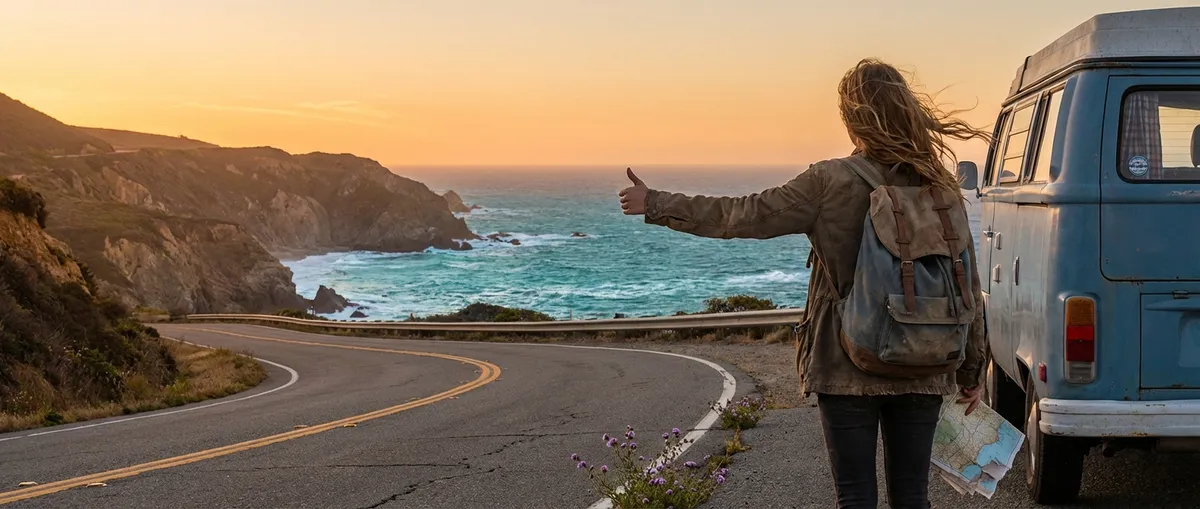
Budget travel is not the consolation prize. It’s the front-row ticket to authenticity.
In this guide, you’ll discover five powerful ways to stretch your budget while expanding your sense of freedom, wonder, and possibility.
1. Follow the Local Rhythm, Not the Tourist Clock
Time is one of the most underrated currencies in travel—and it’s free.
Instead of racing through a checklist of “must-see” attractions, sink into the local rhythm. Wake up early with the city, feel the quiet before shops open, and watch streets slowly fill with commuters, vendors, and kids in uniforms. In the evenings, sit in public squares or parks and notice patterns: who gathers where, what they eat, how they talk, how late the city stays awake.
Budget-wise, local rhythm is gold. Public markets, neighborhood bakeries, and street food stalls often offer the best-value meals and the most vivid taste of daily life. Walking instead of constantly using taxis or ride apps saves money and pulls you into scenes you’d never catch from a car window: a hidden alley café, a courtyard full of laughter, a mural that tells a story no guidebook mentions.
Let your schedule be shaped by free experiences: weekly outdoor concerts, religious festivals, open-air movie nights, or community events. Cities publish calendars on their municipal or tourism websites—often full of free or low-cost happenings. When you stop chasing the busiest attractions and start tracking the heartbeat of a place, the price tag of your day quietly shrinks while your experience grows massive.
2. Turn Transportation into the Adventure, Not Just the Cost
Most people treat transport as the annoying part between “real” experiences. Budget travelers flip that script: transit is the adventure.
Long-distance buses, regional trains, shared taxis, and ferries offer a front-row seat to ordinary life unfolding. You hear regional accents. You see the countryside change mile by mile. You notice how families travel, what snacks they pack, what music plays through the speakers. A 10-hour train ride can become a tapestry of small human moments: someone sharing fruit with you, kids peeking curiously, an older traveler offering route tips.
To keep costs low, use night trains or overnight buses when possible—they can double as both transportation and a night’s accommodation. Pack a light scarf or hoodie as a makeshift pillow, earplugs, and a downloaded playlist or podcasts. Many countries have rail passes or regional bus passes that reward slow, overland travel instead of fast, expensive flights.
Local transit within cities is equally powerful. Take the metro, tram, or public bus at least once in every new destination—it’s cheap, efficient, and gives you a sense of how the city breathes. You’ll pick up unspoken rules, like where people queue, how they offer seats, or the subtle etiquette of crowded spaces. Those details root you in reality far more than any polished tour.
3. Base Yourself in One Place and Let Day Trips Do the Heavy Lifting
Constantly hopping between destinations burns both money and energy. One of the most freeing budget strategies is also one of the simplest: go deep, not wide.
Choose one affordable “base camp” and stay longer. That might be a smaller city near a famous region, a town just outside a capital, or an underrated neighborhood with great transit links. Weekly and monthly rentals, guesthouses, and hostels often offer steep discounts for longer stays. This slower pace slashes transportation costs and “travel friction” (packing, checking in/out, orientation) while giving you space to feel almost like a temporary local.
From your base, build a constellation of low-cost day trips—regional trains to nearby villages, buses to lakes or hiking trails, local bike rentals to explore coastlines or countryside. Pack simple picnics from local markets instead of eating at tourist hotspots. Ask your host or neighbors where they’d go for a quiet Sunday, a cheap swim, or a simple but memorable meal.
Staying put longer builds relationships. The café staff starts to recognize you. The fruit seller throws in an extra orange. The neighbor suggests a non-touristy viewpoint for sunset. None of this shows up in flashy travel brochures—but it’s the kind of richness you’ll remember years later, long after you’ve forgotten how much you spent.
4. Eat Like a Curious Local, Not a Nervous Visitor
Food can either blow your budget or become your greatest ally.
The key is curiosity. When you approach eating with a willingness to try what locals love, you almost always end up spending less and experiencing more. Skip the restaurants with laminated multilingual menus and giant photos out front. Instead, look for short, hand-written menus, places full of residents on their lunch break, or stands that attract a consistent line of locals.
Street food, canteens, and family-run spots are often where culinary magic meets low prices. In many countries, “menu of the day” or set lunches are far cheaper than ordering à la carte and offer a full meal: starter, main, and sometimes dessert or coffee. Shop in markets and small groceries for breakfast and snacks—fresh bread, fruit, yogurt, local cheeses or spreads. Turn parks and waterfronts into your dining room.
To avoid getting sick, follow simple common sense: choose busy stalls with high turnover, watch how food is handled, see how clean the cooking area looks, and pay attention to locals’ habits. Ask what’s seasonal and typical rather than what’s “for tourists.” When you’re brave enough to order what everyone else is having—even if you’re not entirely sure what it is—you gain both a story and a savings.
5. Pack Skills, Not Stuff: Trade What You Know for What You Need
In budget travel, your most valuable asset isn’t your wallet—it’s your skills.
Think beyond traditional “work”: think about what you can offer in exchange for deeper experiences and sometimes reduced costs. Many hostels and guesthouses run formal work-exchange programs where a few hours of help with reception, cleaning, social media, or event organizing earns you a bed and sometimes meals. Rural farms and eco-projects often welcome volunteers during planting or harvest seasons.
But even outside structured programs, your skills have value. If you’re good at photography, offer to take and share photo sets for a small guesthouse or local tour operator in exchange for a discount. If you speak multiple languages, you might help a café or hostel translate menus or signs. If you’re a yoga teacher, musician, or workshop leader, propose a one-off event for guests or the community.
Equally powerful—and free—is skill sharing with fellow travelers. Trade recipes in hostel kitchens. Swap gear or clothes you no longer need. Share books, city tips, or offline maps. You’ll spend less while building a network that stretches across countries and years. Budget travel thrives on this quiet economy of generosity, where what you know and who you are unlocks doors money never could.
Conclusion
Budget travel is not about scraping by; it’s about stripping away the unnecessary until all that’s left is motion, connection, and raw experience.
When you follow local rhythms, turn transit into a story, base yourself in one place, eat with curiosity, and treat your skills as currency, the world stops feeling like something only the wealthy can touch. It becomes something you can step into, again and again, with a backpack, a bit of courage, and a willingness to live wide open.
You don’t need a perfect plan or a huge bank account to begin. You just need to decide that “someday” is now—and let your next trip, however simple, be the moment your life stretches beyond its usual borders.
Sources
- U.S. Department of State – Traveler’s Checklist - Official guidance on preparation, safety, and documents for international travel
- Lonely Planet – Budget Travel Tips - Practical strategies for saving money on transport, food, and accommodation
- Nomadic Matt – How to Travel the World on $50 a Day - In-depth breakdown of long-term budget travel tactics and real-world cost examples
- National Geographic – Eat Like a Local When You Travel - Insights on authentic, local food experiences while traveling
- European Commission – DiscoverEU & Interrail Info - Information on rail-based travel options and passes for budget-friendly exploration in Europe