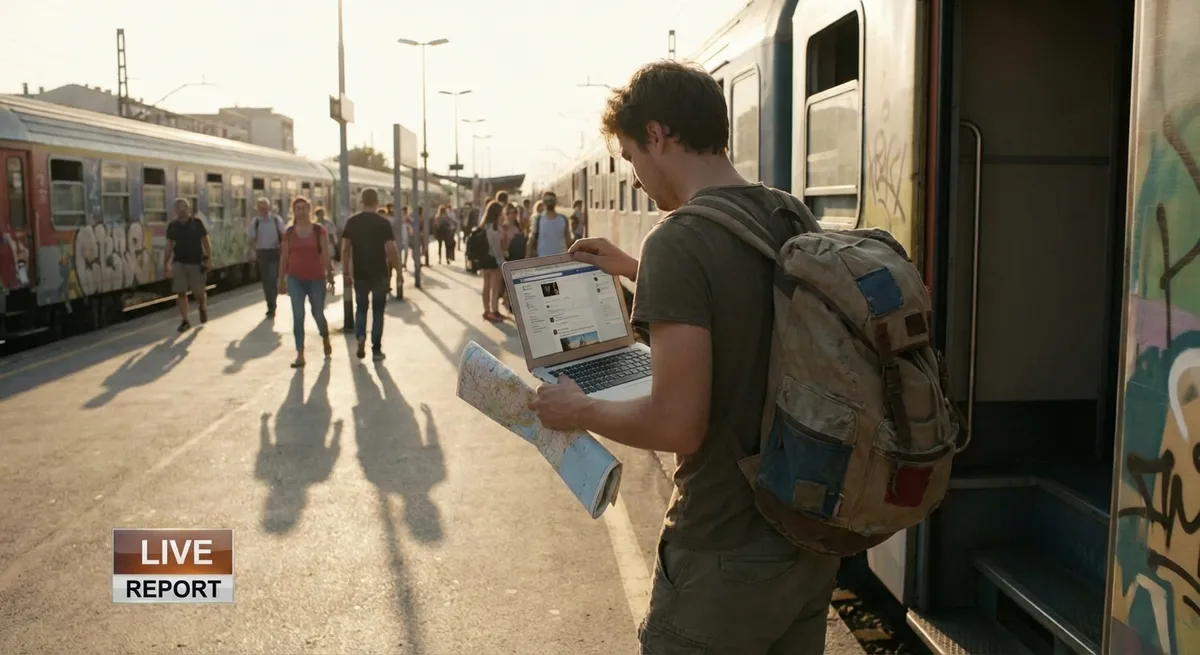
When you stop traveling the way the algorithm tells you to, the world suddenly becomes a lot more affordable—and a lot more exciting. Here’s how to turn a shoestring into a launchpad and build a trip that feels bold, personal, and unforgettable.
Hunt For The “In‑Between” Places
The biggest secret in budget travel is hiding between the dots on the map. Instead of aiming straight for the headline destinations, look for the towns, small cities, and regions that sit in their shadow. These “in‑between” places are where prices drop, crowds disappear, and genuine encounters skyrocket. Think of the small coastal town just beyond the famous beach, the village one train stop past the old town, the quiet neighborhood a few tram rides from the city center.
By building your trip around these overlooked corners, you’ll find cheaper guesthouses, family‑run cafés, and markets that haven’t inflated prices for tourists. You might join locals at a weekend festival you’ve never heard of or end up as the only outsider at a neighborhood food stall. Transport costs often fall too: regional buses, shared taxis, or slow trains become your main stage. As you learn to read the map differently—seeking edges instead of centers—you’ll find that your budget stretches further precisely where the world feels more real.
Let Night Travel Become Your Secret Budget Superpower
A night bus or train isn’t just transport; it’s a moving hostel that quietly smashes your accommodation bill. When you book an overnight journey, you’re paying once for two wins: crossing a chunk of distance and covering a night’s stay. This simple shift lets you leapfrog expensive hubs, arrive at sunrise when cities are soft and half‑awake, and claim an extra “day” in your itinerary without adding costs.
The trick is to treat night travel like a strategy, not a last resort. Choose routes with reclining seats or sleeper options, pack layers, earplugs, and an eye mask, and keep the essentials (documents, valuables, a charged phone) in a small, accessible bag you can hug while you sleep. Eat before boarding or pack a simple dinner to skip pricey station food. When you wake up rolling into a new place, you can head straight into the day—dropping your backpack at a locker or hostel, grabbing a cheap local breakfast, and feeling like you’ve cheated both time and your budget in one move.
Turn Food Into Your Cheapest Adventure
Forget the glossy restaurant lists. If you want both savings and stories, follow the smells instead of the guides. Street food stalls, market counters, and tiny, no‑menu eateries are where your money stretches and your taste buds catch fire. Look for short lines of locals, handwritten signs, and places where the kitchen is in full view. At markets, buy a collection of small items—fresh bread, cheese, fruit, local snacks—and build your own picnic feast for a fraction of restaurant prices.
Use food as a gateway to connection: ask the vendor what they’d order, point at what others are eating, or learn one or two food words in the local language and practice them with a smile. Many countries have “worker’s menus” or daily specials at lunchtime that are much cheaper than dinner, so make lunch your main meal and go simple in the evening—noodles, pastries, or supermarket deli counters. When you treat every meal like a mini‑quest rather than another expense, your budget becomes a ticket to flavors and conversations that guidebooks will never fully capture.
Live Like A Temporary Local, Not A Passing Guest
The fastest way to burn money is to behave like a short‑term tourist everywhere you go. Flip the script: act as if you’ve just moved to the city for a month, even if you’re only there for a few days. Instead of bouncing between attractions, search for weekly markets, free community events, local parks, and popular commuter routes. Stay in neighborhoods where rent—not “view”—shapes the price. Scan noticeboards in cafés, follow local event pages, and ask staff where they hang out off‑duty.
Use local infrastructure the way residents do: grab a transit pass instead of single tickets, refill a water bottle instead of buying new ones, and visit big museums on free or discount days. If you’re staying longer, look for short‑term volunteer gigs, language exchanges, or casual classes (dance, yoga, cooking) that come with lower prices and built‑in friendships. As you start to recognize familiar faces at the bakery or on the tram, you’ll realize you’ve slipped into a quieter, deeper rhythm of travel—one that costs less money but gives you more of the one thing you can’t buy: belonging.
Trade Perfection For Flexibility And Watch Costs Collapse
Rigid plans are expensive; flexible plans are powerful. When you’re willing to shift dates, swap destinations, or travel at odd hours, suddenly the cheapest options open up. Instead of choosing a city and then checking what it costs to get there, reverse the process: search broad regions or whole months, and let the lowest fares tell you where and when to go. Off‑peak flights, shoulder‑season travel, and midweek departures often slash your biggest expenses with zero sacrifice to the adventure itself.
On the ground, keep your itinerary loose enough to pivot. If a destination feels too pricey, move on earlier. If you stumble into a place that feels right and cheap, stay longer. Say yes to shared rides, split accommodation with new friends, and be open to alternative routes that appear on hostel noticeboards or in group chats. Expect small inconveniences—delays, detours, imperfect beds—and treat them as plot twists rather than deal‑breakers. The more you trade the illusion of a perfect, tightly‑scheduled trip for a flexible, living journey, the more your budget—and your sense of freedom—will expand together.
Conclusion
Budget travel isn’t about ticking off a list with the least amount of cash; it’s about designing a story you’re proud to tell, with all the rough edges intact. When you chase the in‑between places, sleep on the move, eat with the streets, live like you belong, and stay flexible, the world stops feeling like an expensive showcase and starts feeling like a playground.
You don’t need to wait for the “right moment” or the “right income” to start. You just need to pick a direction, set a ceiling on your costs, and promise yourself you’ll stay curious, even when things don’t look like the brochure. The adventure isn’t out there someday—it’s waiting in the next cheap bus ticket, the next unfamiliar snack, the next stranger who points you down an unplanned road.