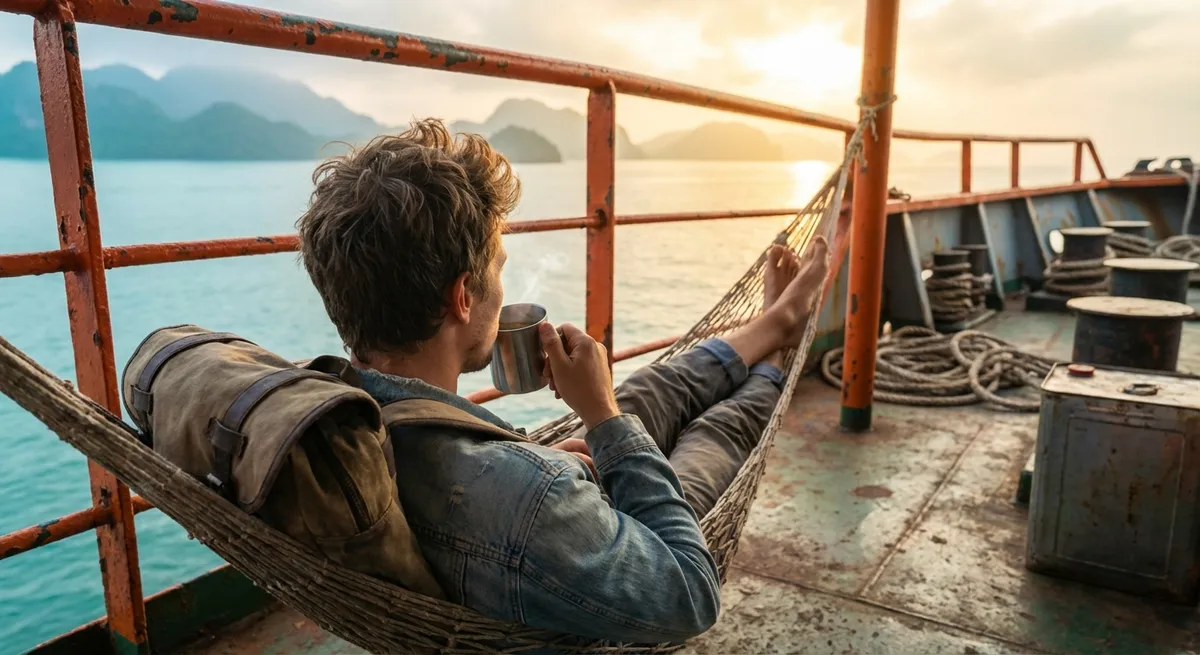
Ride the Rhythm of Off-Peak Travel
Traveling when everyone else stays home is one of the most powerful ways to unlock a destination without draining your savings.
Shoulder seasons—those months just before and after peak tourist rush—can transform your experience. Picture walking into a famous square at sunrise without a wall of selfie sticks, or wandering through a coastal town where the shop owner actually has time to talk. Airfares and accommodations frequently drop during these windows, and that saving gives you breathing room for experiences that matter more than another generic hotel upgrade.
Off-peak doesn’t mean sacrificing atmosphere. In many places, it means you see the real life of a city instead of its performance for visitors. You’ll catch locals on their daily commute, winter festivals that never make the brochures, or autumn harvest markets that smell like wood smoke and ripe fruit. Use flexible date tools on flight search engines to spot cheaper travel days, and keep a loose itinerary so you can pivot when a midweek fare suddenly dips. When your timing is strategic, “budget” quietly becomes “better access.”
Sleep Where Stories Live, Not Just Where Beds Are
Your biggest expense after flights is usually where you sleep—so choose places that give you more than a door and a key card.
Hostels have evolved far beyond bare-bones bunk beds. Many now offer design-forward common spaces, private rooms, and community events that connect you to people and ideas you’d never find in a traditional hotel lobby. Guesthouses and family-run inns often fold you into their daily rhythm: breakfast cooked in a real kitchen, directions scribbled on a map, tips that live outside algorithmic recommendations.
Consider alternatives that trade money for connection. House-sitting, for example, swaps pet care or plant watering for a home base. Farm stays, monastery guest rooms, or university dorm rentals (outside the academic year) drop you into lives already in motion. You’re no longer consuming a place from the sidelines—you’re temporarily part of its ecosystem. When every night’s stay comes with a story, your trip feels rich long after you’ve forgotten what the thread count was.
Eat Like You Live There, Not Like You Checked In Yesterday
The fastest way to overspend—and under-experience—is by eating three restaurant meals a day in the tourist zone.
Follow where the grocery bags go. Step into the neighborhood market and watch what fills local baskets: a paper bag of still-warm bread, a jar of something brined, vegetables that smell like earth, not plastic. Buy picnic ingredients instead of ordering from a laminated menu translated into five languages. Parks, riverbanks, and city squares can become dining rooms with the best views in town at a fraction of the cost.
Street food is often the beating heart of a region’s cuisine and one of the most budget-friendly, vivid ways to taste a culture. You’ll learn more standing at a crowded stall, watching a dish sizzle into existence, than from a dozen carefully styled Instagram photos. When you do sit down for a full meal, aim for lunch rather than dinner; many places offer cheaper midday menus with the same flavors. Eating this way doesn’t just save money—it snaps you out of the glass bubble that keeps so many travelers separate from the places they visit.
Turn Transportation into the Adventure
How you move through a place can either quietly drain your budget or amplify your experience.
Instead of defaulting to taxis and short flights, look at slower, ground-level options. Long-distance buses and trains let you watch the world change out the window: city skylines softening into farmland, coastal roads curling alongside the sea, mountain villages stitched into hillsides. Night trains and buses can double as both transport and accommodation, carving a day of sightseeing back into your itinerary and cutting a night’s lodging from your expenses.
Within cities, walking and public transit aren’t just cheap—they plug you into the city’s actual pulse. You’ll notice details from street art to corner bakeries that you’d never glimpse from the backseat of a rideshare. Many cities offer unlimited daily or weekly transit passes that pay for themselves after a handful of trips. Treat these not as a downgrade from convenience, but as your front-row ticket to how a place really functions. When the journey becomes part of the story, every dollar you don’t spend on convenience becomes potential for something unforgettable.
Collect Encounters, Not Souvenirs
The most budget-friendly upgrade to any trip is shifting what you’re actually trying to “buy.”
Instead of pouring cash into attractions that exist mainly to extract it—overpriced viewing platforms, themed restaurants, generic trinket shops—aim for experiences that cost little but stay with you. Join free walking tours that trade deep local knowledge for a tip you can afford. Spend an afternoon in a public library, community center, or local festival. Wander through neighborhoods that don’t have postcards in the shops, then sit on a bench and simply watch life unfold.
You don’t need a credit card to build a powerful memory. Sunrises are free. Libraries often host free exhibitions. Many museums have discounted or free entry days. Hikes, coastal paths, and city parks offer vastness for the price of a bus ticket. When you focus on encounters—conversations with vendors, shared laughter on a crowded tram, a spontaneous game in a park—you’ll find that your richest souvenirs are internal. And those don’t have to fit in your carry-on or your budget.
Conclusion
Travel on a budget isn’t a consolation prize; it’s a different way of moving through the world—one that rewards curiosity, flexibility, and a willingness to trade polish for presence. When you travel off-peak, sleep where stories accumulate, eat like you belong, transform transit into discovery, and prioritize encounters over objects, you’re not just saving money. You’re rewiring what travel means to you.
The world doesn’t need you to arrive with a thick wallet. It needs you to arrive awake—ready to notice, ready to listen, and ready to let each place leave its mark. Your budget sets the boundaries; your imagination redraws them.
Sources
- U.S. Department of State – International Travel - Official guidance on preparation, safety, and logistics when traveling abroad
- Organization for Economic Cooperation and Development (OECD) Tourism Data - Provides insight into seasonality, tourism trends, and how timing affects costs and crowds
- Hostelling International - Practical information and tips on hostels, community-based stays, and budget-friendly lodging
- European Commission – Passenger Rights - Explains travelers’ rights on trains, buses, and flights within the EU, useful for planning budget-friendly transport
- Lonely Planet – Budget Travel Tips - Offers global, practical strategies for saving money while enriching the travel experience