Let Curiosity Choose the Turn, Not the Clock
Maps will get you there. Curiosity will decide what “there” becomes.
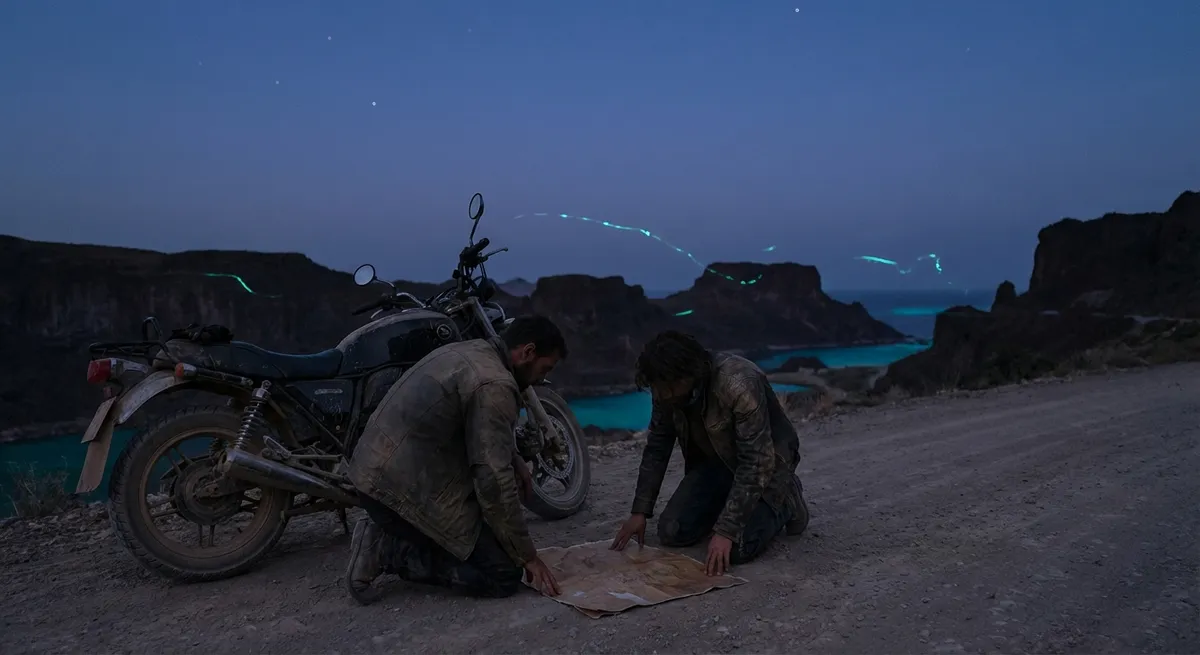
Instead of marching from sight to sight, give yourself entire mornings or afternoons with only one rule: follow what sparks your interest. Hear music drifting from a side alley? Go. Smell bread baking behind an unmarked door? Follow it. See a single dirt path peeling away from the main trail? Take it—safely and with your bearings set.
Curiosity-led wandering turns cities into living puzzles. In Lisbon, that might mean leaving the tram behind to climb a narrow staircase between old stone walls and finding an unmarked viewpoint over the Tagus. In Kyoto, it might look like skipping the famous shrine for a quieter temple garden where the only sound is a bamboo fountain and your own footsteps.
Practical anchors keep this freedom safe and fun: save offline maps, drop pins at your accommodation, and share your general route with a friend. Keep a small “explorer kit” on you—a charged phone, a portable battery, water, and a light layer. Then let yourself say “yes” more often than “maybe later.” The world responds to that kind of openness.
Trade Spectator Views for Front‑Row Experiences
Watching a place is good. Moving through it with your whole body is unforgettable.
Wherever you land, ask: What’s the most active way to meet this landscape? In mountain towns, that might be via ferrata routes, paragliding, or dusk hikes that end in stars instead of streetlamps. On the coast, you could learn to surf the gentlest of waves, paddle out into mangroves, or slip below the surface on a guided dive or snorkel.
The thrill isn’t just adrenaline—it’s perspective. You’ll remember the feel of a desert wind stinging your face on a sunrise camel ride long after you’ve forgotten the exact shape of the sand dunes. You’ll remember the weight of a harness on your hips and the hollow echo of your breath as you edge along a cliff and realize fear and awe can share the same space in your chest.
Choose outfitters who prioritize safety and local knowledge. Look for guides with recognized certifications, clear briefings, and equipment in good condition. Booking small-group experiences gives you space to ask questions, move at your own pace, and turn an activity into a story instead of just a calendar slot.
Follow Local Rhythms Instead of Tourist Timetables
Every destination has an official schedule: opening hours, tour times, curated experiences. Adventure begins when you start listening to the unofficial rhythm—the one locals actually live by.
Wake up with a city instead of arriving late to it. Runners and dog walkers will show you the quiet parks and riverside paths you’ll never find in a brochure. Duck into the café that’s buzzing at 7 a.m., not the one with the best Instagram angle at noon. Notice where market stalls are busiest after work. Those are the spots where real life feeds itself.
Evenings shift the pulse again. In small towns, the main square might gently flood with families, kids, and elders in a slow, looping promenade. In big cities, the metro might swell toward a neighborhood that doesn’t appear on travel blogs but glows with street food, open windows, and music.
Learn three simple questions in the local language:
“Where do you go to relax?”
“Where would you take a friend who’s visiting?”
“What should I try here at least once?”
Then follow the trail those answers draw you along. Let the daily rhythm of a place tug you out of your traveler bubble and into the beating heart of how people actually live.
Turn Small Encounters Into Your Biggest Memories
The most powerful souvenirs don’t fit in your bag. They walk beside you, share their stories, and leave you a little different than they found you.
Adventures deepen when you start treating every interaction as a doorway. Ask your street-food vendor how long they’ve been at that corner. Compliment someone’s craft and ask how they learned it. Stay after a class—whether it’s cooking, dance, or a local sport—and ask your instructor what their life looks like outside of that room.
Simple choices open those doors. Eat at the counter instead of the back table. Take the slow bus instead of the express train. Sit in the common room of your guesthouse instead of scrolling alone in your bed. Start conversations with details, not generic questions: “That notebook looks well traveled—where has it been?” opens more stories than “Where are you from?”
Respect is non-negotiable. Ask before taking photos, listen more than you speak, and recognize when someone is busy or not interested. The goal isn’t to collect people like destinations; it’s to let genuine human moments become part of your journey’s architecture. Years from now, you’ll remember the old fisherman who showed you how to mend a net or the grandmother who corrected your pronunciation with a laugh far more vividly than an anonymous skyline.
Let the Journey Change You on Purpose
Adventure isn’t only about where you go; it’s about how you let it rewrite you.
Before you leave, choose one part of yourself you’re willing to challenge: your fear of being alone, your discomfort with uncertainty, your tendency to overplan, your reluctance to try new foods or ideas. Treat each day’s experiences as a gentle training ground for that specific edge.
Maybe that means soloing a short hike instead of joining the group, as long as you’re prepared and within your skill level. Maybe it’s saying “yes” to joining a pickup game in a park even though you’re sure you’re the least coordinated person there. Maybe it’s sitting in a café without Wi‑Fi and letting yourself simply observe and be bored enough to notice details again.
Capture the internal adventure alongside the outer one. Jot down one fear you faced, one assumption you questioned, and one thing you learned each day. Over time, the pattern will emerge: you’re not just collecting stamps in a passport; you’re slowly becoming the kind of person who trusts themselves in unfamiliar territory.
When you come home, let those upgrades travel with you. Keep taking the scenic route. Keep talking to strangers. Keep designing your days with curiosity instead of autopilot. That’s how the spirit of the road keeps glowing long after your bags are unpacked.
Conclusion
Adventures don’t start at airport gates or trailheads—they start the moment you decide to meet the world with more openness than fear. When you follow curiosity instead of a clock, trade spectator status for lived experience, move with local rhythms, turn small encounters into lasting connections, and let every step rewrite a small part of you, you stop “taking trips” and start living a larger, more awake version of your life.
The map you carry home won’t be the one you left with. It will be hand‑drawn, smudged with conversations, brightened by risks you took, and threaded with moments that made your heart race for good reasons. That’s the kind of map worth following—on this journey and the next.
Sources
- U.S. Department of State – Traveler’s Checklist - Practical safety and preparedness guidance for international travel
- Centers for Disease Control and Prevention – Travel Health - Up-to-date health advice, vaccines, and destination-specific recommendations
- Adventure Travel Trade Association – Adventure Travel Trends Snapshot - Insights into what defines adventure travel and how travelers engage with it
- UNWTO – Global Report on Adventure Tourism - Research-based overview of adventure tourism, safety, and sustainability
- Lonely Planet – Responsible Travel Tips - Practical ways to engage respectfully and meaningfully with local communities