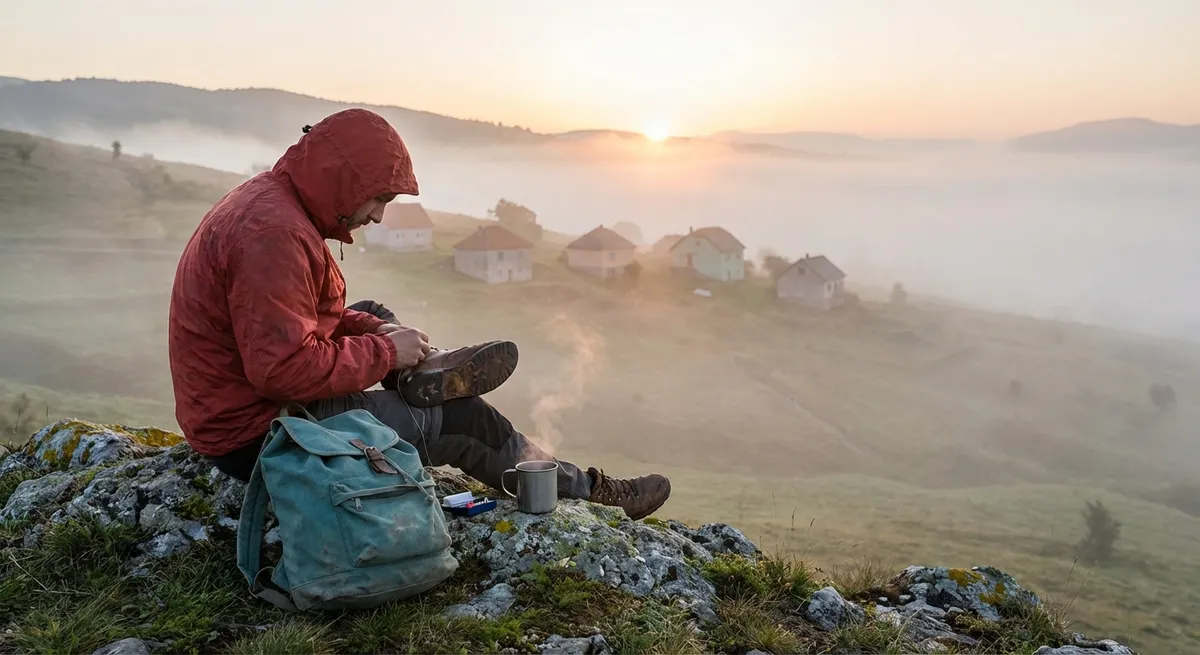
Redefine “Luxury”: Time, Freedom, and the Long Way Around
Most travel ads sell luxury as thread-count and rooftop pools. On a budget, you discover a different kind of luxury: time to wander, freedom to change plans, and the thrill of not knowing exactly what’s next.
Instead of sprinting through five cities in a week, choose one place and linger. Take the local bus that stops in every village instead of the high-speed train. Walk side streets instead of main boulevards. You’ll spend less on transit and attractions, and more on slow coffees, street food, and long, meandering days.
That extra time lets you see the city wake up, notice the same market vendors each morning, and learn the rhythm of a place instead of just its postcard views. Budget travel becomes less about what you can’t afford and more about what you no longer need: rushed itineraries, overpriced shortcuts, and travel so fast you barely feel you were there.
Hunt for Hidden Value, Not Just Cheap Deals
Anyone can chase the lowest price; a budget traveler chases the highest value. That means asking a better question than “How do I cut costs?”—instead, ask “What gives me the richest experience for the money I have?”
A shared room in a small guesthouse where the owner knows your name might be the same price as a faceless hostel bunk—but the value is entirely different. A local cooking class that includes dinner, stories, and new friends can be worth more than three forgettable restaurant meals.
Look for: free walking tours where you tip what you can afford, museum free-entry days, city passes that bundle metro rides and attractions, and public parks that cost nothing but give you priceless people-watching. Filter your spending through this lens: “Will I remember this in five years?” If the answer is no, skip it. If the answer is yes, it’s probably worth a slice of your budget.
Sleep Where Stories Live: Creative Budget Stays
Your bed for the night doesn’t have to be boring—or expensive. Budget accommodation can add color and connection to your journey, if you’re willing to get a little inventive.
Hostels today range from party hubs to quiet, boutique spaces with private rooms. Guesthouses and homestays can plug you straight into local life: shared breakfasts, family tips, and neighborhood secrets. In rural areas, farm stays or eco-lodges might offer reduced rates in shoulder season and give you a front-row seat to how people live with the land.
House-sitting or pet-sitting can mean weeks in a destination with no accommodation cost at all—just responsibility and trust. In some regions, camping or staying in basic mountain huts turns your journey into an overnight adventure instead of just another booking confirmation. The key is to see lodging not as a line item in your budget, but as a stage for the stories you’ll tell later.
Move Like a Local: Transit as Your Front-Row Seat
Transportation is one of the biggest travel expenses—and one of the best places to turn cost-cutting into memory-making. When you travel on a budget, every bus, train, or shared taxi becomes a window into how a place really works.
Instead of an airport transfer, take the city bus into town and watch the city unfold street by street. Swap a domestic flight for an overnight train, saving a night’s accommodation while gaining the rhythm of rails and the hushed camaraderie of shared compartments. In many regions, long-distance buses are not just cheaper than flights; they’re staggeringly scenic.
Walking is still the most underrated budget transport of all. You notice tiny shrines tucked into doorways, neighborhood bakeries you’d never have spotted from a cab, and impromptu street performances that never make it into guidebooks. Move slowly, pay attention, and let every ride—no matter how cramped or chaotic—be part of the adventure, not just a way to get from A to B.
Turn Ordinary Days into Adventure Without Spending More
The magic of budget travel is learning that adventure doesn’t always need a tour, ticket, or adrenaline package. With a bit of curiosity, you can turn a normal day into something unforgettable without burning through your funds.
Wander a local market at opening time and strike up conversations with vendors. Pack a simple picnic from a neighborhood grocery store and eat it on a hilltop, riverbank, or public square. Join free community events—outdoor concerts, local festivals, public lectures, or sports games in the park. Many cities offer free entry to historical sites, libraries with hidden exhibits, and public viewpoints with million-dollar sunsets that cost nothing at all.
Create your own “missions”: find the best street food under a certain price, trace a river from downtown to the suburbs on foot, ride a tram to its last stop and explore whatever’s there. The less you rely on your wallet to manufacture excitement, the more resourceful, observant, and open you become—and that mindset sticks with you long after you’re home.
Conclusion
Budget travel isn’t about denying yourself; it’s about daring yourself. Daring yourself to slow down when the world tells you to rush. To choose depth over checklist. To trade glossy itineraries for days shaped by curiosity, not cost.
When you learn to stretch a small budget into a big experience, you prove something powerful: that wonder doesn’t belong only to the wealthy, and that the world is still accessible to anyone willing to navigate it with intention, humility, and a hunger for the unknown. Pack your courage, your patience, and your sense of play—and let the road show you how far “less” can really take you.
Sources
- U.S. Department of State – Travel Advisories - Official safety, visa, and advisory information to help budget travelers plan responsibly
- UN World Tourism Organization (UNWTO) – Tourism Data & Trends - Global tourism insights, including trends relevant to budget and sustainable travel
- Lonely Planet – Budget Travel Tips - Practical advice and strategies for saving money on the road while still having rich experiences
- Rick Steves Europe – Money-Saving Tips - Detailed guidance on getting the most value from transportation, lodging, and daily expenses
- National Park Service (NPS) - Information on U.S. national parks, many of which offer low-cost or free outdoor adventures ideal for budget-conscious travelers