This isn’t about ticking boxes or collecting passport stamps. It’s about chasing that feeling of “I can’t believe I’m really here,” and walking away different than when you arrived.
1. Fjords at the Edge of the World: Norway’s Wild Waterways
Gliding through Norway’s fjords feels like drifting through a fantasy landscape—sheer cliffs towering above you, waterfalls unraveling down rock faces, and tiny red cottages clinging to impossibly green slopes. Whether you sail past Geirangerfjord’s misty cascades or stand on a cliff edge above Nærøyfjord, the scale makes you instinctively fall quiet.
Practical magic: Base yourself in Bergen or Ålesund for easy fjord access and mix big-boat cruises with smaller local ferries to save money and see quieter corners. Pack layers—sun, rain, and wind often share the same hour. If you can, time a visit for late spring or early autumn: fewer crowds, but still long, luminous days. And leave one day completely unplanned—Norway rewards spontaneity with unmarked trails, secret viewpoints, and those unrepeatable moments when the clouds finally part and the whole landscape ignites.
2. Lanterns and Ancestral Echoes: Walking Old Quarters in Asia
Step into an old town in Asia at dusk and the world slows down. In Hoi An, lanterns bloom over narrow streets as the river mirrors their glow. In Kyoto, wooden machiya houses and quiet alleys feel like portals to another century. In George Town and Melaka, street art, temples, and colonial facades overlap in a story told in several languages at once.
To make these places cinematic, slow your rhythm deliberately. Wander side streets instead of main drags. Sit on a low plastic stool for street food rather than rushing to a restaurant; the best view is often at eye level with the locals. Seek out early mornings and late nights when vendors set up or wind down—the in‑between hours when the city belongs to the people who live there. Learn a few phrases in the local language; even a “thank you” or “delicious” can change the tone of every interaction and unlock genuine conversations instead of staged ones.
3. Otherworldly Earth: Deserts That Rewrite the Horizon
Deserts are where the world strips down to essentials: sand, stone, light, and you. Whether it’s Jordan’s Wadi Rum with its rust-red rock towers, Chile’s Atacama glowing pink at sunset, or the dunes of Morocco sculpted by wind, deserts feel alien and ancient at the same time. Under a sky crowded with stars, you sense just how small—and how free—you really are.
For an unforgettable experience, spend at least one night out in the open: a Bedouin camp in Wadi Rum, a simple desert lodge in Atacama, or a Berber camp in the Sahara. Go with a responsible local guide; they know the land, the weather, and where cell reception shrinks to nothing. Protect yourself: wide-brim hat, sunglasses, long sleeves, and more water than you think you need. If you’re into photography, plan for blue-hour and night-sky shots; deserts are some of the darkest, clearest places on Earth. The silence will be the loudest thing you remember.
4. Islands That Feel Like Secret Worlds: From Volcanic Shores to Coral Dreams
Islands have a way of bending time. On volcanic coasts like the Azores or the Canary Islands, black-sand beaches and steaming hot springs make you feel like you’ve stumbled onto a young planet. In places framed by coral reefs—like parts of Indonesia, the Philippines, or the Maldives—the ocean shifts through every shade of blue, and life contracts to the radius of your mask and snorkel.
To turn an island into your personal adventure, split your days between land and sea. Hike inland to crater lakes or jungle viewpoints, then finish in the water with a reef snorkel or boat trip. Choose locally owned guesthouses where you’ll hear real stories of storms, traditions, and how islanders read the sea. Respect fragile ecosystems: reef-safe sunscreen, no touching coral or wildlife, and mindful use of plastic. And embrace island pacing—missed ferries, afternoon closures, and spontaneous beach barbecues are part of the story you’ll tell later.
5. Railways Through the Heart of a Continent: Trains That Turn Miles into Moments
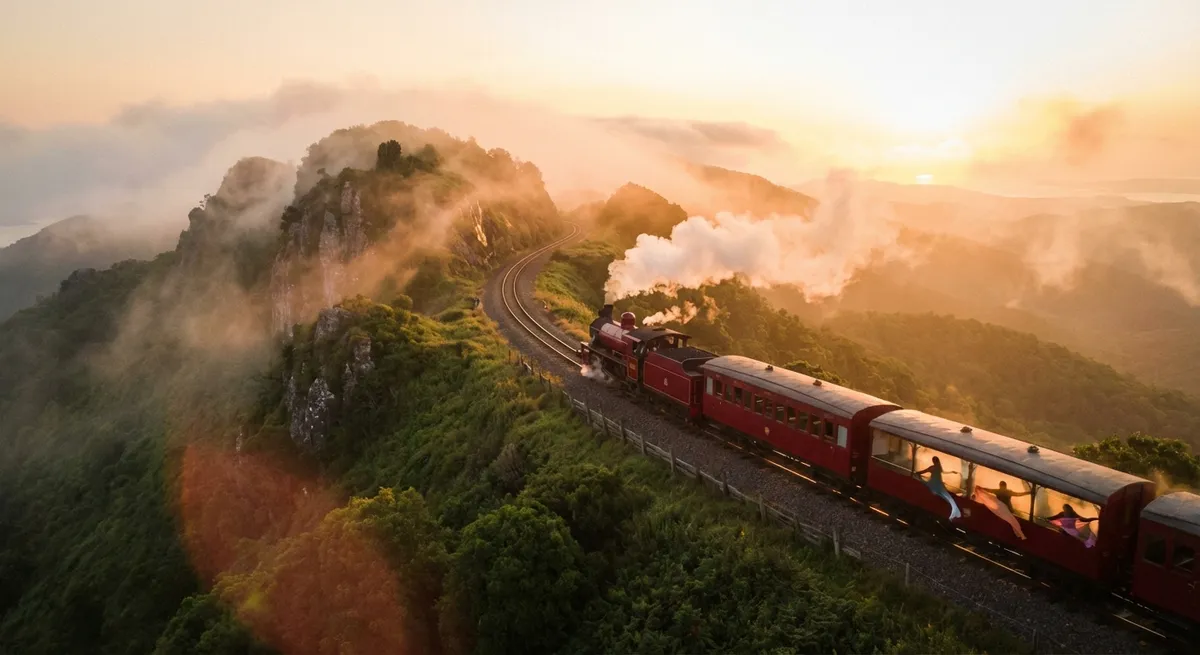
There’s something quietly epic about watching a continent slide by from a train window. In Europe, high-speed lines stitch together cultures in hours, while scenic routes like Switzerland’s Bernina Express or Norway’s Flåm Railway carve through mountains and glaciers. In India, long-distance trains roll from crowded megacities to palm-fringed coasts and misty hill stations. Across Japan, bullet trains slice between neon skyscrapers and tranquil countryside.
Make the journey the main event instead of dead time between destinations. Pack a small “train kit”: journal, downloaded playlists, snacks, and a lightweight scarf or hoodie. Book a window seat whenever possible and look up the route ahead of time so you know when to stay glued to the glass. If there’s a dining car, spend at least part of the journey there—some of the best conversations with strangers happen over wobbly tables and shared curiosity. Overnight trains can save you a hotel night and add a layer of romance and nostalgia that planes never quite match.
Conclusion
The most powerful destinations don’t just impress you—they challenge, quiet, and awaken you. Fjords that dwarf your worries, lantern-lit alleys that slow your pulse, deserts that strip life to sky and sand, islands that recalibrate your sense of time, and trains that turn distance into storylines.
You don’t have to visit everywhere. You just have to choose places that make you feel vividly, unmistakably alive—and then show up ready to say yes. The world is rolling out scenes; it’s your move to step into the frame.
Sources
- Visit Norway – Official Travel Guide - Detailed information on Norway’s fjord regions, activities, and travel planning
- UNESCO World Heritage Centre – Hoi An Ancient Town - Background on the cultural and historical significance of Hoi An’s old quarter
- National Park Service – Desert Ecology - Overview of desert environments and how to experience them responsibly
- NOAA – Coral Reefs - Science-based guidance on coral reef ecosystems and conservation
- European Environment Agency – Rail and Environment - Data on train travel’s environmental impact and its role in sustainable transport