1. Cities That Never Sleep (So You Finally Can Wake Up)
Some cities hum; others roar. Landing in a metropolis that crackles with energy can feel like stepping into a live wire. Think Tokyo at dawn, when the fish markets are waking up and vending machines glow in the half-light. Imagine New York’s subway doors sliding open to a rush of buskers, coffee steam, and strangers with somewhere urgent to be. Or São Paulo’s rooftop bars, where the skyline looks like a galaxy tipped onto its side.
Urban destinations are thrilling because they mirror your energy back at you and amplify it. Walk until your feet ache. Take the subway just to see where people get off. Say yes to a street-food stall that smells incredible but has no English menu. Plug into neighborhoods, not just “top sights”: hunt down local bookstores, park benches, late-night diners, pop-up galleries.
Practical move: Pick one busy neighborhood and stay there rather than hopping all over the city. Let your hotel or hostel become a base camp. Spend a full day exploring just a few blocks—cafés, side streets, food markets—until the area feels like a place you live in, not just glance at from a taxi window.
2. Wild Horizons Where Your Comfort Zone Ends
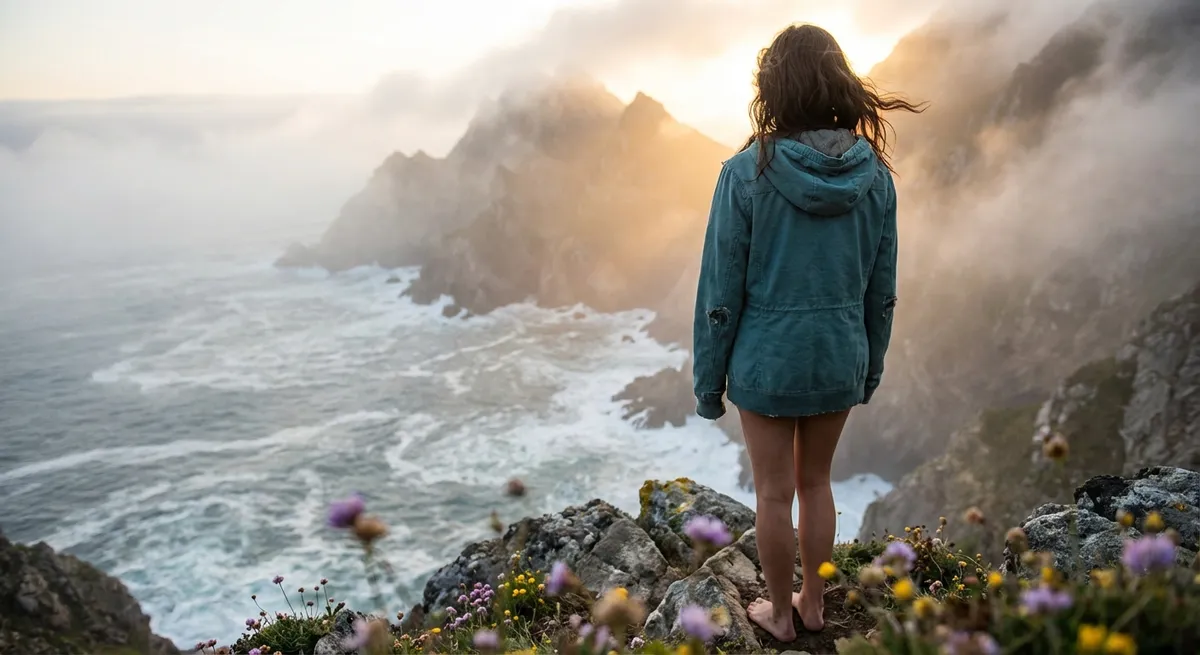
There’s a certain kind of destination that makes your heart race before you even arrive. The flight path narrows into mountain valleys. Roads lose their edges and crumble into cliffs. The ocean stretches so wide that land feels like rumor. These wild places—Patagonia’s jagged peaks, Iceland’s lava fields, the red deserts of Wadi Rum—shrink your daily worries to their proper size.
In raw landscapes, the noise in your head quiets down because there’s something so much bigger demanding your attention. You start measuring days in sunrises and wind shifts instead of emails and notifications. Your routine becomes elemental: walk, breathe, drink, repeat. You learn quickly that the weather doesn’t negotiate, trails don’t care about your deadlines, and stars look brighter when your phone battery dies.
Practical move: Build in “weather days” or “nothing days” to your itinerary. In wild destinations, conditions change fast. Instead of planning every hour, leave space to pivot: switch a hike for a hot spring, a summit attempt for a valley walk, a boat ride for a slow afternoon staring at the horizon. Pack layers, a good headlamp, and a willingness to let the landscape call the shots.
3. Water Worlds Where Time Moves Differently
Coastal towns, river cities, island villages—places wrapped in water obey their own clock. In Venice, the streets sway under your feet because they’re canals. In Bangkok, longtail boats buzz past temples and floating kitchens. In the Greek islands, days bend around ferry arrivals and sunsets, as if the sky itself sets the schedule.
Water destinations loosen your grip on urgency. Waves don’t care how fast you walk. Tides decide when the beach is wide or gone. Riverfront promenades invite you to just…sit. Suddenly, watching harbor life—fishermen hauling nets, kids jumping off piers, ferries gliding in—isn’t “doing nothing”; it’s absorbing a different rhythm.
Practical move: Choose at least one journey by water instead of by road: a ferry instead of a flight between islands, a river boat instead of a highway bus, a coastal kayaking trip in place of a scenic drive. Being on the water rewires how you see a place—you’re no longer skimming its surface; you’re surrounded by its lifeblood. Pack a dry bag, a lightweight towel, and a curious tolerance for getting a little wet and salty.
4. Old World Streets That Make You Walk Slower
Some destinations feel like time got tangled there and never quite untangled itself. Cobblestone alleys, half-timbered houses, medieval walls, cathedral bells that have outlived empires. When you wander through historic districts in cities like Prague, Cartagena, Kyoto, or Fez, you’re not just walking through space—you’re walking through centuries of human stories piled on top of each other.
These places pull your gaze upward and inward. You start noticing how stones are worn where generations of feet have passed. Markets smell like spices people have traded for hundreds of years. Courtyards and shrines carry quiet rituals that locals barely think about, but for you, feel like discovering a secret. History stops being something locked in museums and becomes something you can brush with your fingertips as you turn a corner.
Practical move: Take at least one walking tour—ideally with a local guide or small group—that dives into the “why” behind what you see. Then revisit your favorite streets alone later. You’ll see them differently once you know which window used to be a lookout post, which square held protests, or which gate marked the old city boundary. Wear comfortable shoes, and don’t be afraid to get lost on purpose—as long as you keep a downloaded offline map on your phone for when you want to find your way back.
5. Borderlands Where Cultures Collide and Blend
The most electric destinations often sit on edges—where languages switch every few miles, street signs share multiple alphabets, and dinner tastes like a crossroads. Think of regions like the Balkans, the Caucasus, the Mexico–U.S. borderlands, or other places that have changed hands and names more times than locals can easily count.
Here, contradictions coexist: a mosque next to a church, tortillas alongside ramen, a street festival that feels half-European, half-Latin, half-something-else-entirely. You hear three different languages on a tram. You see architecture texts would call “influenced” but locals just call “home.” These destinations push you to drop neat categories like “East” and “West” and sit with the beautiful mess of overlap.
Practical move: Follow the food. In borderlands, cuisine is often the purest expression of cultural blend. Ask locals where they go for a “typical” meal—then order what they suggest, not what you recognize. Visit community markets, cross from one neighborhood to another just to see how menus change, and listen for the stories people tell about where dishes came from. Carry a small notebook or use your notes app to jot down place names, dishes, and phrases you want to look up later—this is where your own mental map of the world starts to redraw itself.
Conclusion
Destinations don’t have to be famous to be life-shifting. What matters is how they move you out of your default setting and into a sharper, wilder version of yourself. A sleepless city can wake you up; an empty desert can quiet you down. A canal or coastline can slow your steps; an ancient alley can stretch your sense of time. A border region can remind you that the world is more entangled—and more interesting—than any map suggests.
The next time you scroll through options, don’t just ask, “What can I see there?” Ask, “Who could I be there?” Then pick the place that scares you a little, intrigues you a lot, and feels like a chapter you haven’t lived yet. The destination is only half the story. The other half is who you become when you hop next.
Sources
- UN World Tourism Organization (UNWTO) – Tourism Highlights - Global tourism data and insights on popular destination types and travel trends
- National Geographic Travel - In-depth features and photography on wild landscapes, cities, and cultural regions around the world
- Lonely Planet – Travel Guides & Inspiration - Practical destination advice and inspiration for cities, nature spots, and cultural crossroads
- U.S. National Park Service - Information on protected natural areas and how wild landscapes shape visitor experiences
- UNESCO World Heritage Centre - Authoritative listings and descriptions of historic and cultural destinations worldwide