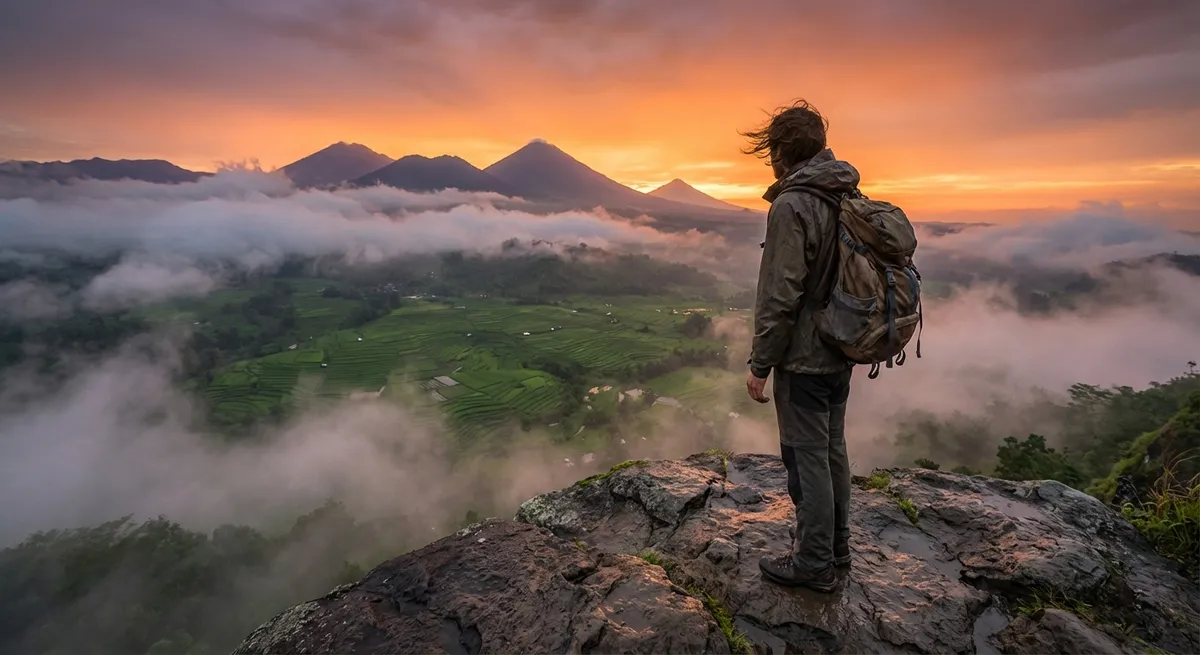
Below are five kinds of destinations that don’t just give you photos—they give you stories, courage, and a new way of seeing your own life when you return.
1. High-Altitude Cities That Teach You to Breathe Differently
There’s a special kind of silence that only exists above the clouds—where the air thins and every step demands attention. High-altitude cities like La Paz in Bolivia, Lhasa in Tibet, or Quito in Ecuador don’t just serve scenery; they serve perspective. Suddenly, walking up a side street feels like a small expedition, and watching the sun sink behind snow-capped peaks feels like you’ve been handed a front-row ticket to the sky.
The magic here is in the slowness. You learn to drink water like it’s medicine, to climb stairs with intention, to notice how your body negotiates thin air. Cable cars glide over patchwork neighborhoods, ancient plazas meet modern skylines, and markets spill over with unfamiliar fruit and mountain remedies. To travel at altitude is to relearn pacing—of movement, of breath, of life itself.
Practical spark:
Give yourself at least a few days to acclimatize. Start with gentle walks instead of big hikes, avoid heavy alcohol your first nights, and lean into the slower rhythm. High-altitude cities reward the traveler who is curious enough to wander, but wise enough not to sprint.
2. Nighttime Cities Where the Dark Becomes the Main Event
Some cities start when the sun goes down. Not in the loud, party-only way, but in the way streets soften, lights flicker on water, and a completely different city appears after dark. Think of Hong Kong’s neon-soaked side streets, Istanbul’s glowing mosques and Bosphorus ferries, or Tokyo’s late-night ramen counters tucked into alleys that feel like movie sets.
Night destinations wake up your senses differently. You navigate by scent and sound as much as sight—the hiss of woks, the rhythm of street musicians, the murmur of conversations under hanging lanterns. You can drift along a river lit by reflections, wander markets that only exist after sunset, or trade rooftop views for hole-in-the-wall joints where the best stories live at small, crowded tables.
Practical spark:
Plan at least one night to explore with no agenda beyond a rough neighborhood or area. Stay aware and stick to well-frequented zones, but allow yourself to follow your nose: a crowded stall, an unexpected live band, a side street full of tiny eateries. Night can be the best guidebook.
3. Borderlands Where Cultures Collide in Real Time
Borders on maps look like lines. On the ground, they’re living, breathing in-between worlds. Regions like the Balkans, the Caucasus, or the crossroads of Central Europe don’t fit neatly into one story. You’ll hear multiple languages in a single café, taste dishes that feel familiar and foreign at once, and see architecture that stacks empires and eras like layers of sediment.
In these in-between places, you realize that identity can be fluid, complex, and proudly hybrid. A church and a mosque might share the same street. A single bus ride can take you from Ottoman-era alleys to Soviet-era blocks to ultra-modern glass towers. Every conversation carries history—sometimes heavy, sometimes hopeful, but always illuminating.
Practical spark:
Seek out local guides, small museums, and walking tours that focus on history and everyday life rather than just “top sights.” Ask people how they describe where they’re from—you’ll often hear stories that rewrite what you thought you knew about borders, belonging, and home.
4. Islands Where Time Moves on Island Rules
Islands don’t just sit apart from continents—they run on a different internal clock. Whether it’s a tiny Greek island with whitewashed lanes, a volcanic outcrop in the Azores, or a Pacific atoll where palms bend over turquoise lagoons, islands teach you a slower, circular sense of time. Ferries come when they come. Sunsets become appointments you actually keep. Daily life tracks the tides, the winds, and the boats.
There’s a subtle thrill in realizing how quickly your priorities shift: catching the last light at a hidden cove, searching for the perfect bakery that opens “when the bread is ready,” or timing hikes around afternoon heat and ocean breezes. Isolation sharpens the essentials: fresh food, reliable water, community, and a healthy respect for the sea that surrounds everything.
Practical spark:
Stay long enough to sync with local rhythms—at least a few days, more if you can. Don’t overpack your schedule. Ask locals about their favorite swimming spot, their “real” food markets, and how the seasons shape the island. On islands, your best itinerary is usually written by the weather and the people who live under it.
5. Wild Edges Where Nature Makes the Rules
There are places where you don’t negotiate with nature—you adapt to it. Arctic villages under the northern lights, Patagonian wind-battered trails, desert towns on the edge of dunes, rainforests where the air itself feels alive: these wild edges recalibrate what you think “normal” looks like. The horizon stretches wider, the sky feels heavier with stars, and the scale of the landscape makes your personal worries feel suddenly, beautifully smaller.
Traveling here turns you into a student of elements. You learn to read a sky for incoming storms, to listen for rivers before you see them, to notice how wildlife moves at dawn and dusk. Every simple act—building a fire, layering against the cold, crossing a high plateau—becomes a reminder of how much you can actually handle when you step beyond climate-controlled comfort.
Practical spark:
Respect local safety advice like it’s law: weather warnings, trail closures, wildlife guidelines. Invest in one or two solid pieces of gear (good footwear, a reliable jacket) instead of a suitcase full of “just in case” items. Let the environment humble you—it’s part of the point.
Conclusion
Destinations that wake you up inside don’t always come with glossy reputations. Sometimes they’re the city that forces you to slow your breathing, the island that pulls you out of your schedule, the borderland that shatters simple stories, or the wild edge that reminds you how small you are—and how powerful that smallness can feel.
The common thread isn’t geography. It’s engagement. These are places that ask more of you: more curiosity, more patience, more presence. And in answering that call, you discover the real destination was never just a spot on the map—it was a version of you that only emerges when the world feels bigger again.
The next time you plan a trip, don’t just ask, “Where is it?” Ask, “How will it change the way I move, notice, and feel?” Then go where the answer makes your heart beat a little faster.
Sources
- Centers for Disease Control and Prevention – High-Altitude Travel & Altitude Illness - Guidance on acclimatization, health risks, and safety at high elevations
- National Park Service – Wilderness Trip Planning - Practical advice for traveling responsibly in remote and wild environments
- UNESCO World Heritage Centre - Official list and descriptions of culturally and naturally significant destinations worldwide
- Lonely Planet – Travel Guides & Destination Information - In-depth overviews of cities, islands, and regions, including cultural and practical insights
- BBC Travel – Destinations & Features - Story-driven articles highlighting border regions, remote places, and unique urban experiences