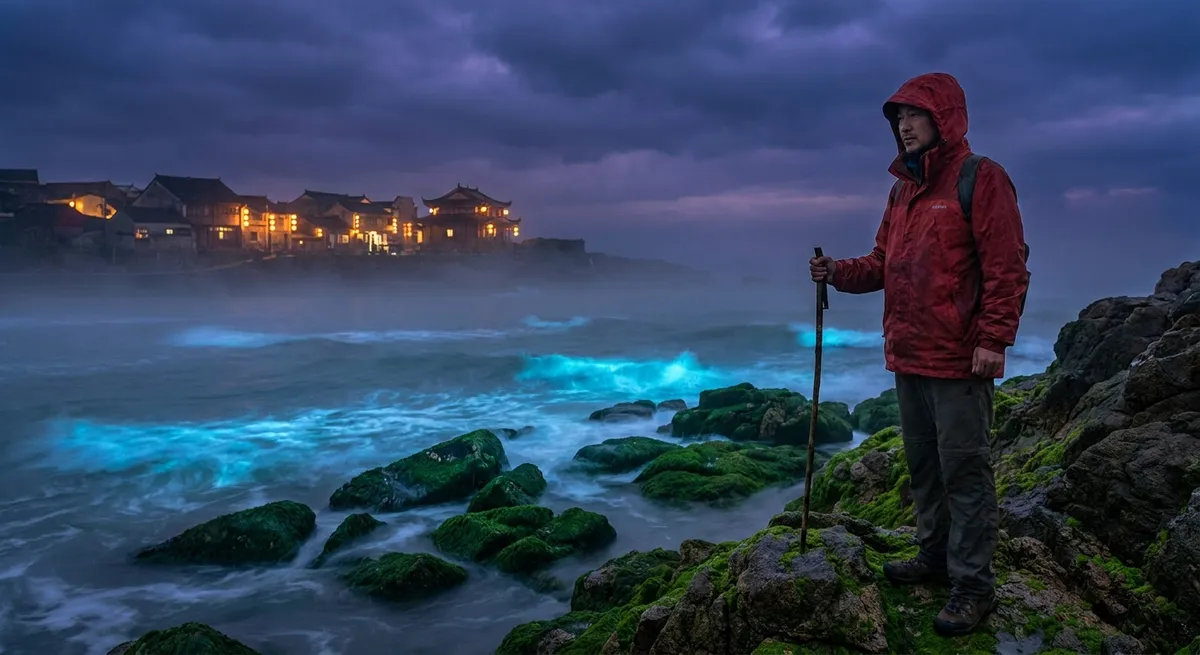
Below are five kinds of destinations that do exactly that—each with vivid experiences to chase and practical tips to make them real, not just daydreams.
1. Cities That Never Sleep (And Teach You How to Stay Awake to Life)
Certain cities hum at a frequency that pulls you into their current the moment you arrive. Places like Tokyo, New York City, and Mexico City feel like someone turned the brightness and volume of life all the way up—neon light, late-night food stalls, subway music, 24/7 energy.
In these cities, every neighborhood is its own universe: ramen bars tucked into alleys in Shinjuku, jazz floating out of a basement in Greenwich Village, or street art exploding across walls in Roma Norte. They invite you to wander, to get gloriously lost, and to follow your curiosity down streets you’ve never heard of.
To make the most of them, travel like a temporary local: buy a transit pass and ride public transport at least once a day, choose one neighborhood per day to explore deeply on foot, and pick a café or bar to return to more than once so it starts to feel “yours.” Talk to baristas, street vendors, and other travelers—big cities reward the bold question and the unplanned detour.
If you’re nervous about the scale or the pace, anchor yourself with a simple ritual: a morning walk, a daily market visit, or an evening viewpoint. Let the constant motion of the city swirl around you while you keep one small daily promise to yourself.
2. Wild Coastlines Where the Edge of Land Feels Like a Beginning
Stand on the edge of a wild coastline and you can feel the planet breathing. Think of the cliffs of the Algarve in Portugal, the Great Ocean Road in Australia, or the stormy shores of Ireland’s Wild Atlantic Way. Here, the horizon isn’t a line—it’s an invitation.
These destinations wake you up with sensory overload: salt in the air, wind tugging at your clothes, waves booming against rock. Dawn comes in soft gradients over the sea; sunset sets the entire coastline on fire. Even on cloudy days, the drama of sea and sky makes you feel small in the best possible way.
To experience these places deeply, stay near the water if you can. Wake early at least once to see the first light hit the waves. Walk a coastal trail instead of just driving from viewpoint to viewpoint—when you feel every rise and fall of the land under your feet, the landscape imprints itself on you. Pack layers for unpredictable weather and a light rain jacket even when it seems clear; the mood of the sea can change as quickly as your itinerary.
Look for local ways to meet the ocean: join a coastal kayak tour through sea caves, learn to surf small beginner waves, or take a boat trip with a local operator who knows the currents and wildlife. The more time you spend at the water’s edge, the more your own inner tides start to shift.
3. High-Altitude Worlds That Redefine “Perspective”
Mountains have a way of rearranging your priorities. The moment you arrive somewhere like the Swiss Alps, the Peruvian Andes, or Nepal’s trekking valleys, life simplifies: one foot, then the other; breathe in, breathe out; watch the clouds crawl across the peaks.
Up here, villages cling to slopes, prayer flags rattle in the wind, and the sky feels close enough to touch. The air is thinner, but the feeling of presence is thicker. You become intimately aware of your body—its limits, its strength, its stubbornness—and of how tiny and temporary we all are compared to stone and snow.
If you’re new to altitude, give yourself a day to acclimatize, drink more water than usual, and take it slow on your first hikes. Choose a base town with multiple trail options—places like Zermatt (Switzerland), Chamonix (France), Cusco (Peru), or Pokhara (Nepal) let you dial the difficulty up or down each day. Check local weather and trail conditions every morning; mountains don’t care about your plans.
Pack for sudden change: layers, sun protection (the rays are stronger up high), and sturdy footwear with good grip. Most of all, allow space in your schedule for stillness—time to sit with a hot drink at a mountain hut, watch fog pour through a valley, or trace the line of a glacier from above. Up here, “doing nothing” is actually how the mountains do their real work on you.
4. Ancient Cities Where Time Feels Like a Spiral, Not a Straight Line
Some destinations make your present-day worries feel like a tiny blip on a much longer timeline. Walking through ancient cities like Athens, Kyoto, or Cusco, you feel history brushing your shoulder at every turn—temples layered beside busy streets, stone steps worn by unknown feet, rituals still practiced in modern clothes.
In these places, the past isn’t locked behind museum glass; it leaks into daily life. A tiny shrine hides between apartment blocks. A centuries-old market sells smartphone cases beside spices and dried chilies. Local festivals, quiet tea houses, and street shrines remind you that culture is alive, not frozen.
To connect with that living history, go beyond the headline sights. Visit major landmarks early in the morning, then spend the rest of the day wandering side streets, local markets, and lesser-known temples or plazas. Book at least one local-led experience—a walking tour, cooking class, or craft workshop—where you can ask questions and hear personal stories tied to the city’s past.
Be respectful: learn a few words of the local language, read up on basic etiquette for religious sites, and dress modestly where appropriate. Let yourself feel the weight and wonder of places that have seen empires rise and fall. When you stand in front of a building older than your entire country, the idea of “rushing” starts to feel absurd.
5. Remote Corners Where Silence Sounds Like Discovery
There are destinations where the loudest thing you’ll hear is your own heart catching up with itself. Vast deserts like Wadi Rum in Jordan, far northern regions under the aurora in Norway or Iceland, or sparsely populated islands in Indonesia or Scotland all offer the same gift: space—physical, mental, and emotional.
Here, stars explode across ink-black skies, the Milky Way a visible river overhead. In polar regions, the Northern Lights ripple like green fire. In deserts, sunset drains the heat from the sand and turns the whole horizon into a watercolor. With fewer distractions, you begin to notice the small things: the crunch of your boots, the texture of rock, the slow arc of the moon.
These places demand preparation and respect. Research the safest seasons to go and book with reputable local guides, especially if you’re venturing into extreme environments—whether that’s sub-zero temperatures, intense heat, or long distances between towns. Pack more water and warm layers than you think you’ll need, and don’t underestimate how quickly conditions can shift.
The payoff is huge: a feeling of spaciousness you may not have realized you were craving. With no constant notifications or urban noise, your thoughts spread out. New ideas surface. Old worries shrink. You remember that you’re part of a much larger world—and that there are still places where you can hear yourself think.
Conclusion
The world is full of destinations that do more than stamp your passport—they recalibrate your senses, your stories, and your sense of what’s possible. Whether you’re weaving through electric city streets, wind-swept coastal cliffs, high-altitude trails, ancient alleys, or remote horizons, each place has its own way of waking you up.
You don’t need a perfect plan or endless time. You just need to choose one kind of place that calls to you, say yes, and show up with your eyes open. The map is wide. The road is waiting. And somewhere out there is a destination that will change the way you come home.
Sources
- Japan National Tourism Organization – Tokyo Travel Guide - Official overview of Tokyo’s neighborhoods, attractions, and practical travel information
- Visit Portugal – Algarve Official Tourism Page - Details on Algarve’s coastal landscapes, activities, and travel tips
- Swiss Tourism – Hiking in the Swiss Alps - Information on mountain trails, safety, and planning routes in Switzerland
- UNESCO World Heritage Centre – Historic Sites - Background on many ancient cities and cultural landmarks mentioned
- Norwegian Tourism – Northern Lights Travel Guide - Practical guidance on experiencing the aurora and traveling in Arctic conditions