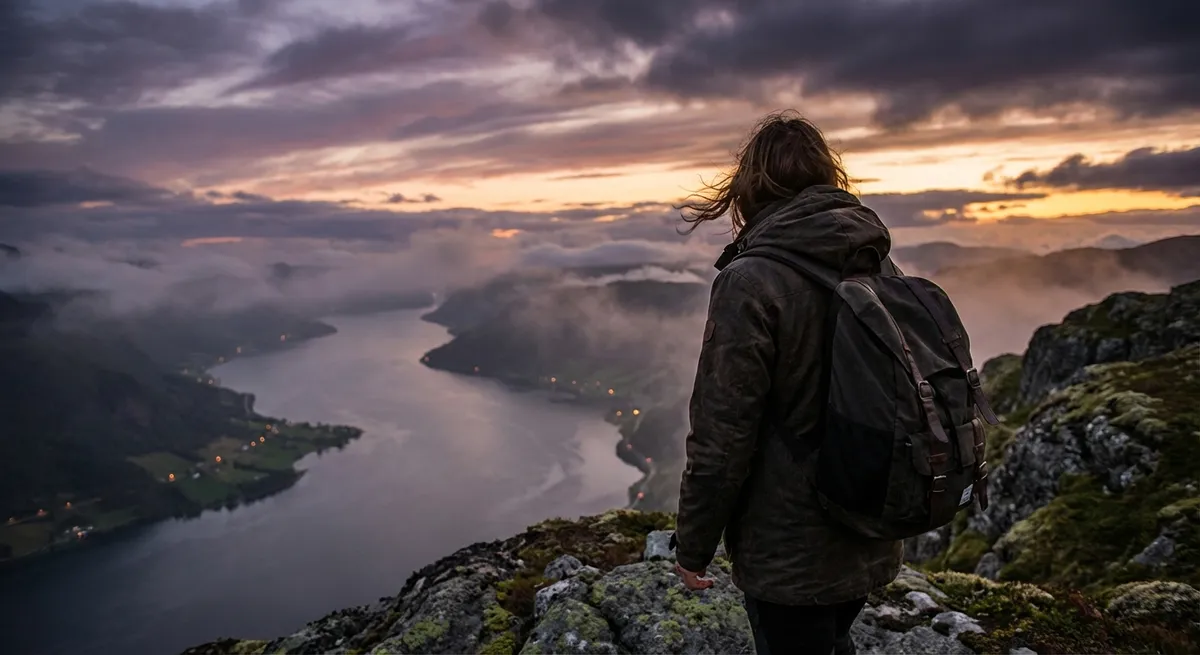
Below are five kinds of destinations that do exactly that—each with a vivid sense of place, a mood you can slip into, and practical tips to help you turn a passing visit into a powerful experience.
1. High-Altitude Cities Where The Air Feels Electric
There’s something about cities in the thin air—everything feels closer to the sky and slightly more intense. In places like La Paz in Bolivia, Quito in Ecuador, or Lhasa in Tibet, the light hits the mountains differently. Streets snake along cliffs and canyons, cable cars float overhead like slow-moving comets, and even walking a flight of stairs feels like an expedition. The altitude forces you to slow down and notice—the scent of grilled street food, the hum of markets, the echo of footsteps in steep, narrow alleys.
Practically, high-altitude cities demand respect: arrive hydrated, give yourself 24–48 hours to acclimatize, and avoid rushing your itinerary. Wander, don’t sprint. Use local transit—cable cars, funiculars, and hillside buses aren’t just transport, they’re front-row seats to daily life. Seek viewpoints locals love (not just the postcard spots) and let the skyline, stitched together with peaks and rooftops, sink in at sunrise or dusk. These are cities that remind you—breath by breath—how alive you are.
2. Islands Where Time Slows to the Rhythm of the Tide
Islands have their own clock. Ferries arrive when the sea allows, cafés open when the first locals drift in, and sunset is a community event. Think of places like the smaller Greek islands, the Azores in the Atlantic, or Okinawa’s outer isles in Japan. The soundtrack is simple: waves against rock, distant boat engines, laughter from a harbor taverna, maybe a scooter buzzing past on a single coastal road. The night sky, freed from city glare, feels like an entire galaxy pressed just above your head.
To sink into island time, strip your plan down to almost nothing: one morning activity, one afternoon wander, and plenty of unscheduled hours. Learn the ferry schedule, but embrace delays as part of the story. Talk to people—fishermen fixing nets, bakers selling the first bread of the day, elders on benches watching the world drift by. Renting a bike or scooter can turn an ordinary day into a chain of serendipitous stops: a hidden cove here, a cliff-top chapel there, a family-run shop that turns into an hour-long conversation over local snacks. On islands, you don’t chase moments; you let them wash over you.
3. Desert Landscapes That Rewrite Your Sense of Silence
Deserts look empty until you learn how to read them. Then you realize they’re alive with subtle detail: faint animal tracks, wind-written dunes, rock formations that glow red and gold with shifting light. In places like Wadi Rum in Jordan, the Atacama in Chile, or Namibia’s skeletal coast, the horizon feels infinite and the silence is so deep you can hear your thoughts rearrange themselves. Sunsets stretch across the sky in slow motion, and nights are ink-black canvases punctured by a billion stars.
Preparation matters in these environments. Travel with local guides—they understand the land, the weather, and the stories that give the desert its soul. Pack layers: intense midday heat can crash into surprisingly cold nights. Bring a scarf or buff for sand and sun, and hydrate more than you think you need. Don’t just book a quick jeep tour; aim for an overnight stay in a desert camp or eco-lodge. Sitting by a fire after dark, with constellations overhead and the day’s heat bleeding away from the sand, you tap into a primal, quiet awe that city life rarely allows.
4. River Cities That Reveal Themselves One Bend at a Time
Follow the water, and you’ll usually find the heart of a city. In places like Budapest along the Danube, Porto beside the Douro, or Chiang Mai hugged by the Ping River, life clusters at the edge of the current. Bridges become stages, promenades double as living rooms, and riverboats drift past with their own micro-worlds on board. Mornings bring mist lifting off the water; evenings glow with reflections of neon, lanterns, or cathedral lights.
To really feel a river city, trace the water in as many ways as possible. Walk its banks at sunrise when the city is just waking up. Take a local boat or commuter ferry instead of a bus—these rides often cost little but offer a totally different vantage point. Cross multiple bridges in a single day and note how the mood shifts from one neighborhood to the next. Eat where the river meets the streets: food markets, pop-up stalls, quiet cafés with wobbly outdoor chairs. Let the river set your pace—slow, meandering, looping back when something catches your eye.
5. Forested Retreats Where the World Turns Down Its Volume
Forests shield you from the noise of everything else. In the Norwegian fjord country, Japan’s cedar trails, the Black Forest in Germany, or the coastal rainforests of British Columbia, the air feels charged yet calming. Light filters in thin beams through dense canopies. The ground smells of earth and pine and rain-soaked leaves. Even a short trail can transport you from tense and wired to grounded and clear.
When choosing a forest destination, look for places with marked trails managed by national parks or local conservation groups—they often offer safe routes, huts or cabins, and guided walks. Dress for changing conditions: waterproof layers, good footwear, and a small daypack with snacks and a reusable water bottle. Hike slowly enough to hear what’s going on—bird calls, rustling branches, nearby streams. Leave headphones behind at least once; treat the forest itself as the soundtrack. Stay in a cabin, guesthouse, or eco-lodge tucked under the trees if you can. The first morning you wake to filtered sunlight and birdsong instead of alarms and notifications, you’ll understand why people come back to these places again and again.
Conclusion
Destinations aren’t just coordinates; they’re catalysts. High-altitude cities sharpen your senses, islands loosen your grip on the clock, deserts give you room to hear yourself think, river cities carry you along their current, and forests quietly patch the frayed edges of your attention. The most memorable trips aren’t necessarily the most expensive or far-flung—they’re the ones where you allow a place to work on you.
As you plan where to hop next, don’t just ask, “What can I see there?” Ask, “How do I want to feel there?” Then choose the destinations that don’t simply host your journey, but help you rewrite it.
Sources
- Centers for Disease Control and Prevention – High-Altitude Travel & Altitude Illness - Guidance on acclimatization, health risks, and safety tips for traveling to high-altitude cities
- UNESCO World Heritage Centre – Wadi Rum Protected Area - Background on the cultural and natural significance of Jordan’s desert landscapes
- National Park Service – Benefits of Forests and Green Spaces - Overview of the mental and physical health benefits of spending time in forests and natural environments
- European Commission – Coastal and Maritime Tourism in the EU - Insight into island and coastal destinations and how tourism shapes them
- World Wildlife Fund – Rivers and Lakes - Information on the ecological and cultural importance of river systems around the world