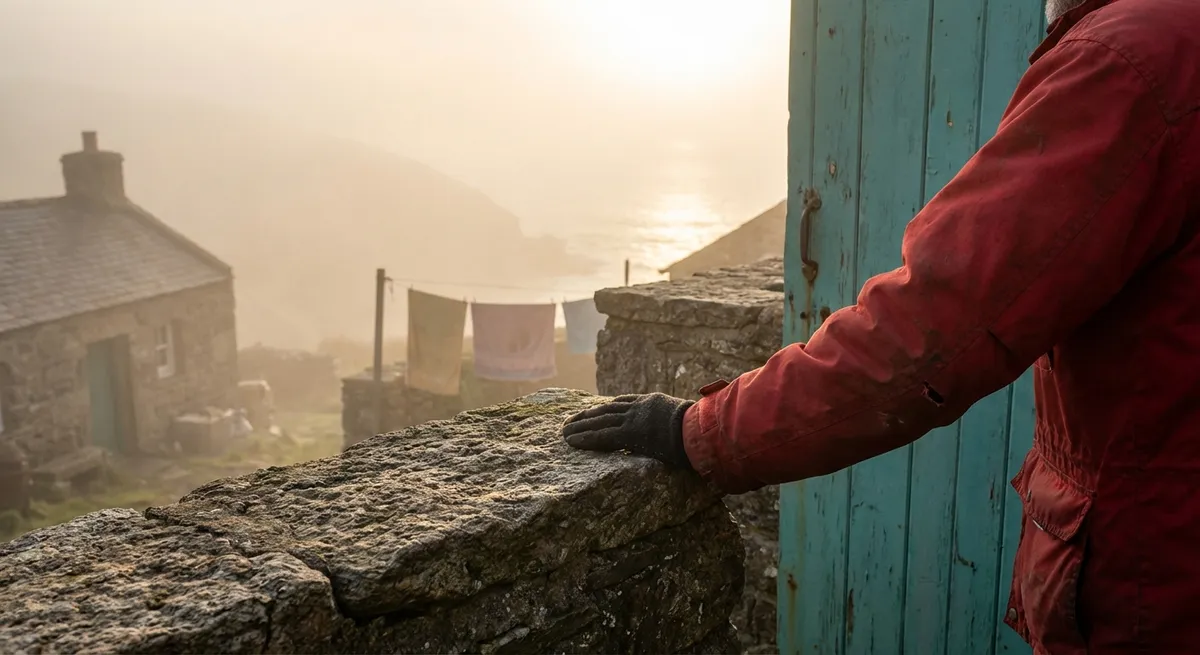
Below are five kinds of destinations that don’t just impress you—they transform you. Each one comes with vivid possibilities and practical tips to make your next leap feel not only doable, but inevitable.
1. Edge‑of‑the‑Map Towns Where the Stars Still Win
There are places where the night sky isn’t a backdrop—it’s the main event. Far from city glow, small desert towns, high mountain valleys, and remote islands offer something most of us have forgotten to crave: true darkness, and a sky so crowded with stars it feels almost loud.
Think of spots like the Atacama Desert in Chile, a certified dark-sky region where observatories peer deep into the universe, or small villages near certified dark-sky parks in places like Utah or rural Spain. In these destinations, your evening plans revolve around constellations, meteor showers, and the slow turning of the Earth.
Why it’s captivating:
- You feel your own scale shift when the Milky Way actually looks like a river of light, not a faint smudge.
- The silence and darkness press pause on your always-on brain.
- You remember that “infinite” is not just a word—it’s a view.
Practical ways to experience it:
- Search for “dark sky reserves,” “dark sky parks,” or “stargazing tours” near your chosen region.
- Travel outside of full-moon phases for maximum star power.
- Pack warm layers, a red-light headlamp to preserve night vision, and a simple stargazing app.
- Stay at small guesthouses or eco-lodges that promote stargazing nights or rooftop viewing.
These edge-of-the-map towns make you feel wonderfully small, in the best possible way—like you’ve stepped into the balcony seats of the universe.
2. Border Cities Where Cultures Overlap and Blend
Some of the most electric destinations on Earth sit right on the seams between cultures. Border cities aren’t fully this or entirely that; they are living crossroads, where languages blend, recipes collide, and traditions rub shoulders on the same street.
From cities straddling the US–Mexico line to European towns threaded along historic borders, these places hum with layered histories and mixed identities. You see bilingual street signs, eat dishes that exist nowhere else, and hear a rotation of accents that defy easy labels.
Why it’s captivating:
- You witness culture not as something rigid, but as something actively being remixed.
- Everyday life feels like a living museum—markets, bus stations, and plazas all tell stories.
- You quickly realize how artificial many of our imagined lines and boundaries really are.
Practical ways to experience it:
- Join a locally run walking tour that focuses on history, migration, and everyday life, not just landmarks.
- Visit local markets and family-owned restaurants—ask about where recipes come from and how they’ve changed.
- Explore museums, cultural centers, and historical sites that explain how the border shaped the city.
- Time your visit with festivals or holidays where cross-border traditions are on full display.
In border cities, the destination itself becomes a lesson: identity can be porous, complicated, and incredibly beautiful.
3. Islands That Teach You to Move at Tide Speed
There’s a particular kind of island where the clocks matter less than the tides. Ferry timetables, fishing hours, and even when the bakery opens can all hinge on the ocean’s mood. These destinations quietly invite you to trade your usual, hyper-managed schedule for something more elemental.
Whether it’s a wind-swept island off a northern coastline or a tiny archipelago in tropical waters, life here tends to run on cycles instead of deadlines: high tide, low tide, first light, sunset. You adapt or you fight it—and if you adapt, you may discover a calmer version of yourself you didn’t know existed.
Why it’s captivating:
- You wake to the soundscape of waves, seabirds, and wind instead of traffic or phone buzzes.
- The horizon becomes a character in your day, not just a background line.
- Your plans have to hold a bit of looseness—perfect training for letting go of control.
Practical ways to experience it:
- Choose islands where cars are limited or unnecessary; walking, bikes, or boats force a reset in pace.
- Rent a small guesthouse or room with a view of the water; it changes how you spend your downtime.
- Learn local ferry or tide schedules in advance, and embrace the gaps as built-in slow time.
- Take at least one day “off the itinerary”: no plans, just follow curiosity—harbor, lighthouse, back lanes, local cafés.
Islands that move at tide speed remind you that a day can be full without being busy, and that slowness can feel like a luxury rather than a flaw.
4. Cities That Come Alive Before Dawn
Most travelers know cities by their afternoons and evenings—but a city that wakes before sunrise is a destination in a different key. There’s a quiet magic to joining the early shift: market vendors setting up, bakers bringing out the first trays, joggers tracing the river, temples or churches filling with whispered prayers.
From Southeast Asian markets that peak at 6 a.m. to European capitals where cafés open before the first tram, pre-dawn city life reveals a softer, more local rhythm. You see fewer selfie sticks and more everyday rituals.
Why it’s captivating:
- You feel like you’re seeing a “backstage pass” version of a famous destination.
- Watching a city slowly fill with light is strangely intimate; it feels like witnessing a person wake up.
- You get rare stretches of iconic spots almost empty, bathed in soft gold instead of midday glare.
Practical ways to experience it:
- Plan one or two “sunrise missions” instead of saving everything for late nights.
- Pick a route the night before: a viewpoint, riverside, city gate, or major square where the first light will hit.
- Visit a local bakery or early-opening café afterward—order what locals are buying, not just what’s on the tourist boards.
- If safe and practical, combine sunrise with a jog, a photo walk, or a short public transit ride to watch the city fill in.
Dawn cities show you that destinations have multiple personalities—and the quiet one might be the most unforgettable.
5. Wild Thresholds Where Landscapes Collide
Some of the world’s most thrilling destinations sit right on the edge between ecosystems: where glacier meets ocean, desert rises into mountain, rainforest dissolves into high plateau. These “wild thresholds” are places of collision and contrast; you can often stand in one landscape while staring directly into another.
Think of fjord regions where cliffs plunge into icy water, or national parks where alpine meadows give way to volcanic rock fields within a single hike. In these zones, your senses work overtime: the air feels different, the soundscape shifts, colors swing from harsh to lush in a short stride.
Why it’s captivating:
- You get the feeling of packing multiple worlds into a single trip, or even a single day.
- The terrain keeps surprising you—no hike or trail feels predictable.
- These edges are often biodiversity hotspots, full of unique plants, birds, and wildlife.
Practical ways to experience it:
- Research national parks, UNESCO biosphere reserves, or protected areas known for varied terrain.
- Hire local guides for at least one day; they can decode what you’re seeing—geology, ecology, and culture.
- Bring layers and solid footwear; changing landscapes usually mean shifting weather and trail conditions.
- If you’re able, choose at least one adventure that crosses a visible boundary: forest to tundra, shore to glacier, valley to ridge.
Wild thresholds remind you that the Earth doesn’t care about neat categories—and that the most alive places are often the ones in between.
Conclusion
The destinations that stay with you aren’t always the most Instagrammed; they’re the ones that change your internal settings. A star-drenched desert town resets your sense of scale. A border city rewires how you think about identity. An island synced to the tides teaches you to exhale. A pre-dawn city walk reveals a quieter heartbeat beneath the tourist buzz. A wild threshold shows you how many worlds can exist within a single horizon.
Your next trip doesn’t have to be bigger, more expensive, or more remote to feel life-changing—it just has to be chosen with intention. Look for destinations that tug at your curiosity, unsettle your routines, and ask you to move through the world a little differently.
That’s where the real journey starts.
Sources
- International Dark-Sky Association – Dark Sky Places – Overview and map of certified dark-sky parks, reserves, and communities around the world
- UNESCO World Heritage Centre – World Heritage List – Official database of cultural and natural sites, useful for finding border cities, mixed cultural landscapes, and unique ecosystems
- U.S. National Park Service – Biodiversity & Ecosystems – Explains why transitional zones between ecosystems often hold high biodiversity and striking landscape contrasts
- European Commission – Natura 2000 Network – Information on protected areas across Europe where diverse habitats meet and are preserved
- World Tourism Organization (UNWTO) – Global tourism data and insights, helpful for understanding trends in city, island, and nature-based destinations