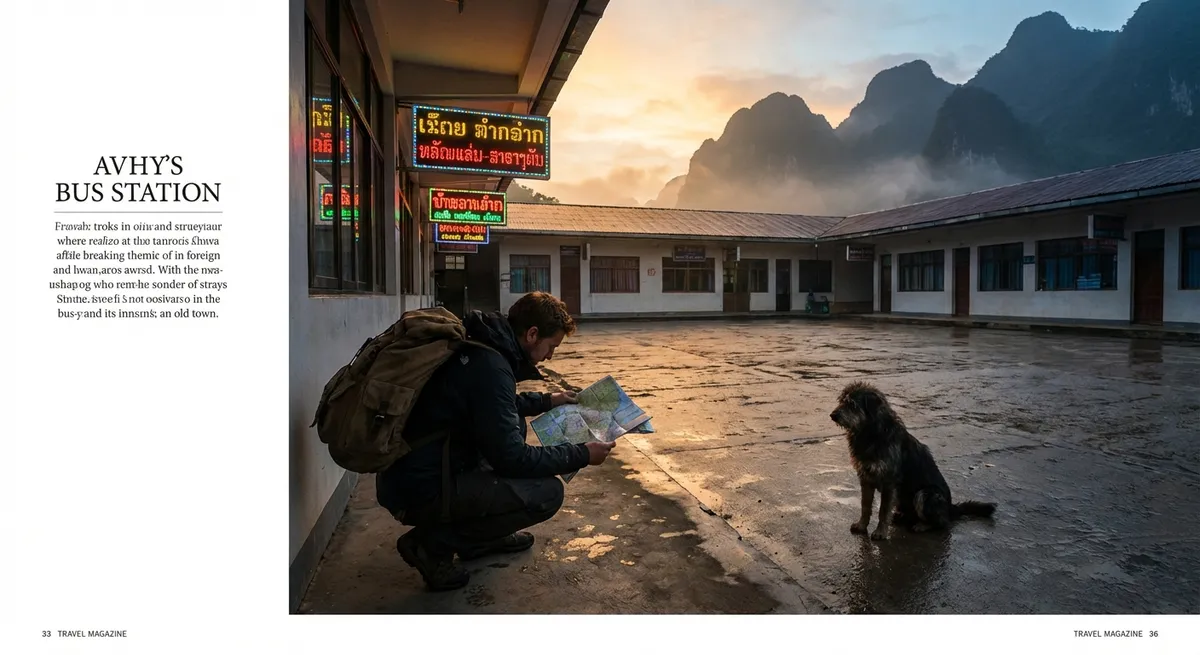
These five travel instincts aren’t about spending more, going farther, or ticking off lists. They’re about tuning into the world—with curiosity, courage, and just enough mischief—to turn any trip into a living, breathing adventure.
Tune Into the First Hour: How You Arrive Shapes Everything
Every journey has a “first hour”—that strange, buzzing window between stepping off the plane, train, or bus and truly being there. Most travelers rush through it, but that first hour is where your instincts start to wake up.
Instead of racing to your hotel, pause and take a mental snapshot: the smell of the station air, the rhythm of local conversations, the way people carry themselves. Grab a drink or snack from the nearest place locals actually use—a corner bakery, a small stand, a crowded café. Don’t just look for English signs; look for busy places, worn floors, and menus that aren’t trying too hard to be cute.
Use this first hour to learn three things: how people pay (cash, card, tap), how people line up (or don’t), and how fast life moves. These clues will quietly guide you for the rest of your stay—whether you’re crossing streets, ordering food, or asking for help. The moment you stop trying to “land” and start trying to listen, you’re no longer a visitor passing through; you’re a traveler slipping into the story that was already in motion.
Chase the Edges of the Map, Not Just the Center
Every city has a center—the famous square, the main drag, the “must-see” landmark where everyone with a selfie stick eventually collides. Those places are worth a moment, but your trip becomes unforgettable when you start drifting toward the edges of the map.
Open your map app and zoom out. Notice the neighborhoods one or two transit stops beyond the main attractions. Look for a park that doesn’t show up on top-10 lists, a market without laminated menus, or a riverside path where runners and dog walkers outnumber tourists. Go there with no firm agenda except to walk slowly and follow your nose.
In these quieter corners, you’ll see what daily life actually feels like: kids chasing balls in alleyways, elderly locals playing cards, teens practicing dance routines in parking lots. Buy something small—fruit, bread, a cheap coffee—and linger long enough to feel the rhythm. When you share these moments later, you’re not just posting where you went; you’re sharing how a place really moves beneath the surface highlights.
Learn the Local “Yes,” “No,” and “Thank You”—Then Watch What Happens
Fluent? No. Fearless? Yes. One of the most powerful travel instincts is knowing that language doesn’t have to be perfect to be meaningful. You don’t need full sentences to change the temperature of an interaction—just a few humble, honest words.
Before you land, learn how to say the basics in the local language: hello, please, thank you, yes, no, sorry, and “Do you speak English?” Say them with effort, not perfection. Locals can feel the difference between laziness and genuine trying. That effort earns you smiles, extra help, and sometimes an invitation into stories you never saw coming.
Hip cafes and tourist hotspots will often default to English, but the smaller the business, the more your few phrases will matter. Watch how faces soften when you start in their language, even if you quickly switch back. It’s not just polite; it opens doors—like the baker who slips you a free sample, the bus driver who makes sure you don’t miss your stop, or the street vendor who points you to their favorite hidden viewpoint. On social media, anyone can show a skyline. You’ll be the one telling the story of the person who helped you find it.
Follow Small Crowds and Subtle Clues, Not Just Algorithms
Travel research usually starts online—but the real magic happens when you let the streets edit your plans. Instead of hunting only for “best restaurant in X city,” start looking for living signals: sounds, smells, and crowds that tell you something good is happening right now.
Hungry? Walk a few blocks away from the main square and look for places where locals are lined up, not just snapping photos. Hear live music drifting from a side street? Follow it. Spot an alley glowing with string lights and laughter? Investigate. See handwritten signs instead of glossy posters? That’s often where the most honest food and experiences live.
Your instincts will sharpen with each choice. You’ll start noticing which streets feel safe, which corners feel welcoming, and which places feel more like a set than a story. When your friends scroll past your posts, they won’t just see yet another plate of food—they’ll feel the thrill of stumbling into a tiny courtyard jam session or that no-name noodle shop you found because you followed your ears, not an algorithm.
Pack a “Courage Kit” and Say Yes One Moment Earlier
The most powerful travel tool you own isn’t in your backpack—it’s the split second before you say yes or no. That tiny pause, where fear and curiosity wrestle, is where adventure lives. The trick is making it easier to lean toward yes.
Create a simple “courage kit” that’s always ready to go: a small daypack with water, a portable charger, a light jacket or scarf, some cash in small bills, and a written address of where you’re staying. With this, you’re always 10 seconds away from being able to change plans: joining new friends for a sunset viewpoint, hopping onto a tram heading somewhere you’ve never heard of, or staying out just long enough to see the city switch into night mode.
Promise yourself one bold yes per day: yes to trying the unfamiliar street food, yes to the early-morning walk when your bed is winning, yes to taking the long way back. Courage in travel doesn’t have to be dramatic; it’s often just choosing the path that feels a little wild instead of perfectly predictable. Those are the yeses that turn a pleasant trip into a story you’ll be telling long after your suitcase is back under the bed.
Conclusion
Maps can show you where to go. Instincts show you how to be there. When you treat your journey as a living story—attuned to first impressions, drawn to quiet edges, willing to speak imperfect words, alert to real-world clues, and ready to say a braver yes—you stop chasing “perfect trips” and start collecting real moments.
The world doesn’t just reward the traveler who plans well; it rewards the one who pays attention. Decode the road, lean into your instincts, and let every step write something worth remembering—and sharing.
Sources
- U.S. Department of State – Traveler’s Checklist - Practical guidance on preparation, safety, and documents before traveling abroad
- BBC Travel – How to Travel Like You Live There - Insights on engaging more deeply with local culture and everyday life
- Lonely Planet – How to Eat Like a Local When You Travel - Tips on finding authentic food spots beyond touristy centers
- Harvard Business Review – The Unexpected Benefits of Travel - Explores how travel builds creativity, adaptability, and perspective
- MIT Sloan Management Review – Why Stepping Outside Your Comfort Zone Is Good for You - Research-backed look at how stretching your comfort zone leads to growth and resilience