Instead of treating culture shock like a travel mistake, you can use it as your secret map. Those “wait, what?” moments are clues—signposts pointing you toward deeper, more memorable adventures. Inspired by what Aussies are telling the world right now, here’s how to turn any culture shock—Down Under or anywhere on the planet—into your travel superpower.
Learn The Local “Unwritten Rules” Before You Land
Australians are famous for being laid‑back, but locals in that viral thread keep repeating one thing: there are rules—you just don’t always see them. Like standing on the left on escalators in Sydney, not over‑reacting to every spider, or understanding that calling someone “mate” can be friendly… or really not, depending on tone.
Wherever you’re headed, start your trip by hunting these invisible rules. Instead of only Googling “best places to visit,” search: “things tourists do that locals hate in [country],” “unwritten rules in [city],” or check Reddit and local Facebook groups. Pay attention to what people complain about—this is pure gold. Screenshot a few, keep them in your notes app, and re‑read them on your first day. You’ll blend in faster, avoid awkward moments, and earn an instant dose of respect from locals who notice you’re trying.
Treat Culture Shock Like A Game, Not A Problem
In that Australian culture‑shock article, visitors talk about wild things: drivers never honking, strangers calling them “legend,” magpies dive‑bombing in spring, and people walking barefoot into shops like it’s no big deal. For many, the first reaction is confusion—or judgment. But here’s the adventure move: turn every surprise into a side quest.
When something feels strange, ask yourself three questions:
What does this say about what people here value?
How would my country do this differently?
What can I try that’s just outside my comfort zone—but still safe?
If shops close early on Sundays, don’t grumble—grab snacks and watch sunset with locals in the park. If everyone in Melbourne seems obsessed with coffee, challenge yourself to try a new café and order like a regular. Gamifying shock like this transforms frustration into curiosity. Suddenly, the world isn’t “wrong”—it’s just wonderfully, wildly different, and you get to explore why.
Follow Local Humor—It’s Your Shortcut To Belonging
One thing Australians are loudly reminding tourists of right now: the banter is real. Sarcasm, self‑deprecation, and joking about deadly animals are almost a national sport. To an unprepared traveler, this can sound rude or alarming. But humor is often the most honest lens into a place’s soul.
In any country, listen for how locals joke about:
- The weather
- Their politicians
- Their neighboring regions
- Tourists like you
Instead of bristling, lean in. If you don’t get a joke, ask someone you trust: “Okay, explain this to me like I just landed yesterday.” You’ll learn more about history, class, regional rivalries, and national insecurities in one funny story than in ten museum plaques. Just move slowly—never jump into teasing locals until you really understand the boundaries. First, watch. Then, mirror gently. Humor, when handled with respect, is one of the fastest ways to stop feeling like an outsider.
Eat How Locals Eat—Even When It Feels Strange
In online threads about travel culture shock, food is always front and center. In Australia, tourists marvel at Vegemite rituals, barbecue culture, and the way coffee is almost a religion. In other countries, it might be late‑night street food, eating with hands, or flavor combinations you’ve never imagined. Many travelers retreat to the safety of global fast‑food chains the moment they feel uneasy.
Flip that script. Instead of asking, “What’s the safest thing to order?” ask, “What would you order for your best friend visiting for the first time?” Give your host, server, or food‑stall owner the power to surprise you—with limits you set clearly: “No raw meat,” “Not too spicy,” or “I’m vegetarian.” Then treat each dish like a story, not just a meal. Ask where it’s from, when people usually eat it, what it reminds them of. You’ll come home with more than photos—you’ll carry flavors and stories that anchor your memories in a way no tourist menu ever could.
Move At The Local Pace, Not Your Itinerary’s
One theme in that Australian culture‑shock piece is tempo: people mention how relaxed Aussies can be, how “no worries” isn’t just a phrase but an operating system. Travelers often crash into this with their hyper‑optimized schedules: twelve must‑see spots a day, timed to the minute. The result? You see everything and feel almost nothing.
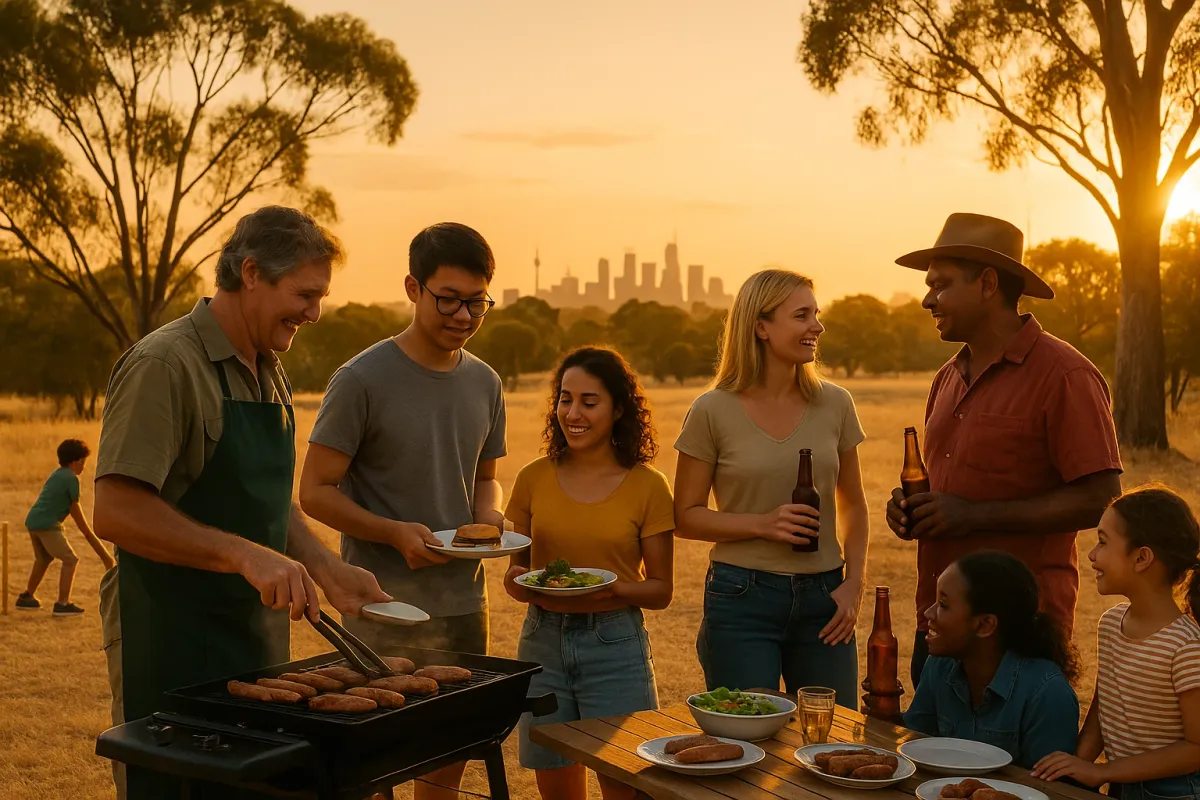
Wherever you go, look for the country’s “heartbeat speed.” In Spain, that might mean late dinners and slow afternoons. In Japan, efficient trains and quiet, orderly streets. In Australia, surf checks before work and long, easy conversations. Once you sense that rhythm, adjust your plans. Drop one attraction a day. Swap a rushed tour for a long café sit, a beach walk, or a local market wander. Say yes to the unplanned invite: a backyard barbecue, a neighborhood festival, a sunset swim. The bravest travel move is not to do more—it’s to do less, deeper, and let the place change you.
Conclusion
Right now, Australians are openly telling the world what shocks tourists most when they land Down Under—and that conversation is a gift to every traveler, to every country. It’s a reminder that culture shock isn’t a warning sign to retreat; it’s an invitation to lean in.
If you treat every surprise—the slang you don’t get, the food you’ve never seen, the habits that feel upside down—as a doorway instead of a wall, your trips will stop being a checklist and start becoming a collection of lived stories. The world doesn’t just want you to pass through it. It wants you to listen, adapt, laugh, and grow with it.
On your next journey, don’t just cross borders. Decode them. And let the culture shock be the spark that lights up your adventure.