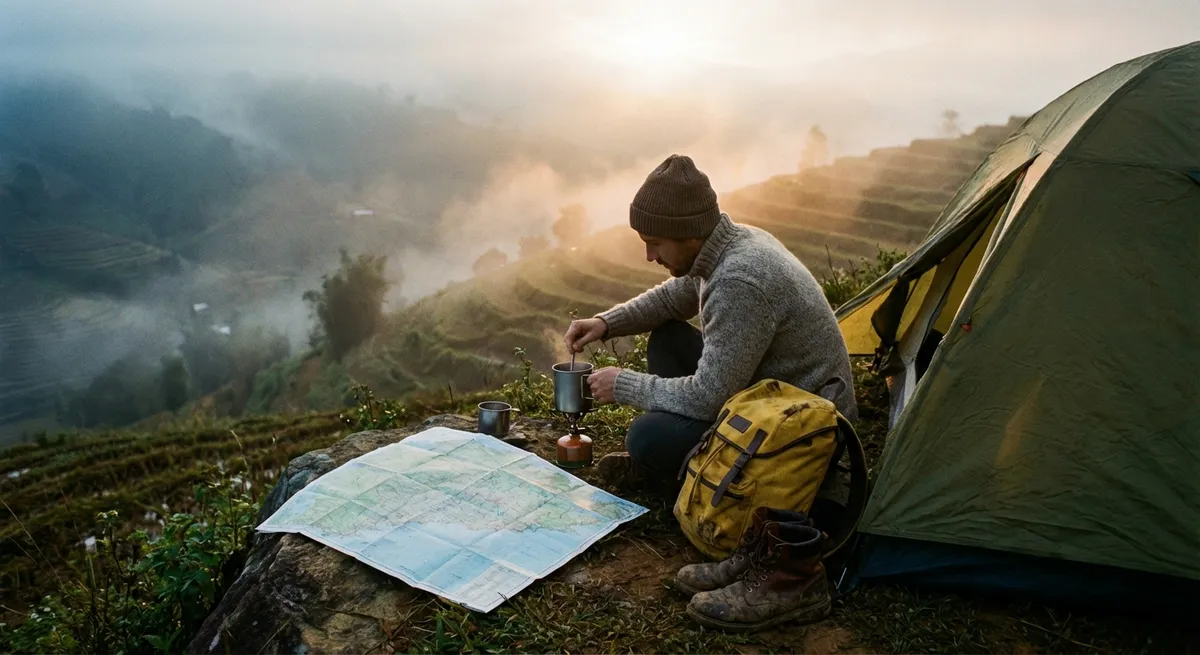
Turn Cheap Flights Into Your Secret Superpower
Budget travelers don’t chase specific dates—they chase possibilities. Instead of thinking, “I want to go to Lisbon in July,” shift your mindset to, “Where can I go when flights are cheapest?” That one mental pivot can unlock entire continents.
Use flexible date searches and “everywhere” tools to scan for surprisingly affordable routes. Flying midweek instead of weekends, picking shoulder season over high season, or departing from a nearby alternate airport can slash prices dramatically. Set price alerts and let the deals come to you, then build your trip around the lowest fare.
Once you arrive, keep riding that wave of savings: choose public transportation from the airport instead of taxis, or share a ride with fellow travelers heading in the same direction. Every small win compounds, stretching your budget into more days on the road, more meals to savor, and more time to follow your curiosity down side streets and mountain trails.
When flights become your superpower instead of your obstacle, the map stops feeling like a wall and starts feeling like a menu.
Sleep Small, Live Large: Creative Stays That Cost Less
Your bed doesn’t need a chandelier to give you a great night’s sleep. On a budget, where you stay matters less than how it frees you to live bigger outside your door.
Hostels aren’t just for backpacking students anymore; many now offer private rooms, coworking spaces, and community dinners. Guesthouses and family-run inns can give you a window into daily life that big hotels never touch—grandmothers stirring pots in shared kitchens, kids playing in the courtyard, neighbors dropping by with fresh bread.
House-sitting, home exchanges, and work-for-stay programs can bring accommodation costs close to zero while giving you a “temporary life” in a place instead of just a room. Imagine caring for a seaside cottage in exchange for feeding the resident cat, or helping with a small eco-lodge a few hours a day in return for a bed and meals.
The less you spend on walls and pillows, the more you can invest in night markets, boat rides, museum entries, and last-minute detours. Sleep simple so your days can be epic.
Eat Like You Belong There, Not Like You’re Just Passing Through
The fastest way to overspend—and stay disconnected—is to eat every meal in tourist-facing restaurants. The quickest way to understand a place is to eat where the steam, the noise, and the smells are loudest.
Follow the lines of locals on their lunch break. Hunt for neighborhood canteens with daily specials written on a chalkboard. Explore markets at dawn when vendors are gossiping over coffee and stacking bright piles of fruit, bread, and spices. Street food stalls often serve steaming, authentic plates at a fraction of restaurant prices, and every bite comes with a side of local life.
If your stay includes a kitchen, treat grocery shopping like a cultural expedition. Learn the names of unfamiliar vegetables, buy whatever is in season, and cook simple meals that mirror what you see families buying. Even if you only prepare breakfast and one dinner a day, the savings stack up.
This approach doesn’t just keep your budget in check—it anchors you. When the cook recognizes you from yesterday and adds an extra spoonful “just because,” you’re no longer just a traveler. You’re a familiar face in their day.
Trade Money for Momentum: Experiences Over Extras
Budget travel is not about seeing less—it’s about spending differently so you can experience more. Every non-essential expense is a quiet trade-off: this fancy cocktail could be a bus to the next town; that impulse souvenir could be a sunrise kayak or a guided walking tour.
Before your trip, sketch out what truly matters to you. Maybe it’s hiking a specific trail, learning to surf, visiting a historic site, or taking a local cooking class. Protect those “must-feel” experiences in your budget first, then cut the background noise: daily lattes, overpriced airport snacks, constant rideshares, or unnecessary baggage fees.
Walk whenever you can. Not only does it save money, but it also slows your pace enough to catch details you’d miss from a car window—street art, tiny shrines, laundry lines in impossible colors, snippets of conversation. Use free city walking tours, public beaches, community events, and museums with discounted or free admission days to fill your days with discovery without draining your funds.
The goal isn’t to come home with bags full of things. It’s to return with a mind full of stories you can’t stop telling.
Let Time Be Your Richest Currency
When your wallet isn’t overflowing, your greatest luxury becomes time. Use it boldly.
Travel off-season or during shoulder months, when crowds thin and prices soften. Stay longer in fewer places instead of sprinting through a dozen cities. Weekly and monthly rates for accommodations can be dramatically cheaper, and slower travel reduces your transportation costs while deepening your connection to each stop.
With extra time, you can say yes to spontaneous invitations: a neighbor’s birthday party, a local festival, a sunrise hike someone at the hostel swears you “absolutely cannot miss.” You can learn a few phrases of the language, become a regular at the corner café, and start recognizing familiar faces on the street.
Moving slowly also gives you room to adjust when plans go sideways—a missed bus, a sudden storm, a new opportunity. On a tight timeline, these feel like disasters. With time on your side, they become plot twists in a better story.
When you let time be your wealth, you realize something powerful: it was never really about how much money you had. It was about how deeply you were willing to live.
Conclusion
Budget travel isn’t a consolation prize for people who “can’t afford real trips.” It is the real trip: unpolished, immediate, and fully alive. When you learn to hunt for flexible flights, embrace humble stays, eat where life is loudest, prioritize experiences over extras, and travel at the speed of curiosity, the world opens wider than any luxury package could ever promise.
Your savings account doesn’t have to be huge. Your courage does. The journey you’re dreaming about is closer than it looks—one cheap flight alert, one simple guesthouse, one street-stall meal, one bold booking away. The question isn’t whether you can afford to go.
It’s whether you’re ready to stop waiting and step into the story your budget can already buy.
Sources
- U.S. Department of State – Travel Advisory and Safety Information - Official government guidance on travel safety, advisories, and preparation
- Skyscanner “Everywhere” Search Guide - Explains how to use flexible flight search tools to find the cheapest destinations and dates
- Hostelling International – Why Stay in Hostels - Overview of modern hostel benefits, including community aspects and budget advantages
- Lonely Planet – Budget Travel Tips - Practical strategies for saving money on transportation, food, and accommodation while traveling
- National Park Service – Fee-Free Days - Example of how timing and planning can unlock free or reduced-cost experiences in U.S. national parks