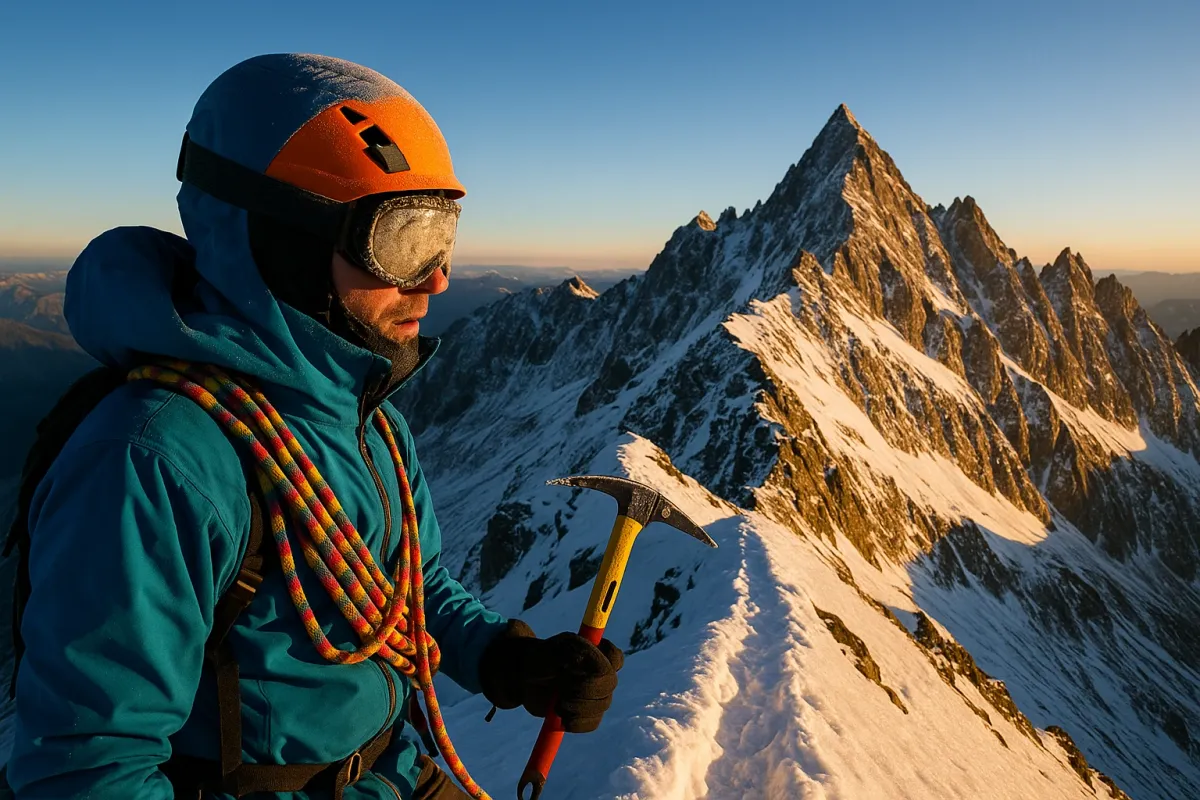
If you’re dreaming of glacier‑rimmed horizons, knife‑edge ridges, and sunrise above the clouds this winter, don’t look away from this story—learn from it. The Alps, the Rockies, the Himalayas: all of them can give you the most powerful days of your life, or the worst, depending on how you show up. Here’s how to chase high‑altitude adventure with courage and respect, turning a hard lesson from Großglockner into a blueprint for safer, deeper journeys.
Choose Mountains That Match Your Skill, Not Your Ego
The Großglockner (3,798m / 12,461 ft) is on countless bucket lists for a reason: jagged ridges, glaciated slopes, and that feeling of standing on the roof of Austria. But this is not a casual hike; it’s a technical alpine ascent where a misstep in icy wind can be the difference between a story you tell and a headline no one wanted to read.
When planning your own winter ascent—whether it’s Großglockner, Mont Blanc, or a “small” 3,000‑meter peak in Switzerland—start with brutal honesty about your experience. Have you used crampons on blue ice? Can you self‑arrest with an ice axe? Do you know how your body reacts above 3,000 meters? If your answer is “not yet,” that doesn’t mean “never”; it means choosing non‑technical but spectacular peaks first. Opt for guided glacier walks in places like Zermatt, Chamonix, or Stubai. Explore winter trails with well‑marked routes and staffed mountain huts before committing to exposed ridges. Let your route be a mirror of your current skills, not your Instagram feed.
Pick Partners You’d Trust In A Storm, Not Just In A Selfie
The Austrian authorities say Kerstin’s boyfriend left her on the mountain and descended alone—a choice now under criminal investigation. It’s a nightmare scenario, but it’s also a stark truth: your climbing partner is your life support system. In the high mountains, “we” matters more than “I.”
Before you tie into a rope or even book a hut, ask the hard questions of your would‑be partner: Have we handled stress together before? Do we communicate clearly when we’re tired, cold, or scared? Will this person advocate for turning back if I’m the one pushing too hard? Better yet, build your mountain team the same way guides do: based on complementary skills and shared risk tolerance, not just friendship or romance. If you’re new to alpine terrain, hire certified local guides—Austria’s UIAGM/IFMGA guides on peaks like Großglockner or the Wilder Kaiser have spent countless seasons reading snow, rock, and human dynamics. Travel companies now offer women‑only or beginner‑focused winter mountaineering courses across the Alps; sign up, learn, and earn your rope‑mates through shared training, not convenience.
Understand Winter’s Real Rules: Weather, Timing, And Turn‑Back Lines
The story from Austria is still unfolding, but in almost every mountain accident report, the same themes echo: a storm rolling in faster than expected, a late summit attempt, a team pressing on when they should have turned around. High‑altitude winter destinations—from the Austrian Alps to Colorado’s 14ers and Japan’s Hakuba backcountry—are governed by three invisible rules: weather, timing, and the courage to bail.
Make weather your obsession before a summit push. Check local alpine forecasts, not just generic city apps; in the Alps, use services like Bergfex, MeteoSwiss, and local avalanche bulletins. On the day itself, use agreed “decision points”: a fixed time to turn around, no matter how close the summit looks. This is how professional guides operate on peaks like Großglockner’s Normalweg or Mont Blanc’s Goûter Route. Build your own non‑negotiables: a cutoff time, a maximum wind speed you’re willing to tolerate, and clear “no go” triggers (white‑out conditions, avalanche warnings, sudden injuries, or hypothermia symptoms). The most underrated badge of honor in the mountains isn’t a summit photo; it’s the quiet confidence of knowing you walked away when it stopped being safe.
Elevate Your Gear Game: What “Prepared” Really Looks Like Up High
Reading that someone “froze to death” on a mountain can sound vague, but the reality is painfully specific: wet layers, rising wind, dropping light, and a body that can’t re‑warm. The destinations we love for their drama—winter ridges above Kitzbühel, glacier crossings near Innsbruck, backcountry bowls in the Dolomites—demand gear that matches the terrain, not the cabin‑to‑café crowd.
Think in systems, not single items. Start with a moisture‑wicking base layer, an insulating mid‑layer, and a waterproof, windproof shell. Add mountaineering boots rated for the cold you expect, plus crampons compatible with those boots. Even on a “simple” winter hike to a panoramic hut above Salzburg or Tyrol, pack essentials: a headlamp with fresh batteries, a bivvy bag or emergency blanket, extra gloves and socks, high‑calorie snacks that don’t freeze, and a charged phone plus a backup battery. Include a small first‑aid kit and know how to use it. If you’re venturing onto glaciers or steep snow, rope, harness, helmet, and an ice axe move from “extra” to “mandatory.” Modern hut‑to‑hut tours and alpine resorts often have rental options and local gear shops; use them, ask questions, and let the environment—not your luggage weight—set your priorities.
Transform Risk Into Respect: Designing Trips That Change You, Not Break You
It’s easy to read about Kerstin Gurtner’s tragedy and decide the mountains are simply too dangerous. But seasoned alpinists, ski tourers, and winter hikers return year after year to peaks like Großglockner, Zugspitze, and the Dolomites not because they’re fearless, but because they’ve built a partnership with the wild. You can do the same, starting now.
Design your winter trip as a progression, not a single do‑or‑die goal. Spend a day in a valley town like Zell am See or Kals am Großglockner, watching the weather move across the ridges. Book a night in a winter‑open mountain hut, feeling what it’s like above tree line when the sun drops. Take a basic avalanche safety course if you’ll be off‑piste. Let local culture guide your rhythm: long hut breakfasts while you wait for winds to calm, early starts to chase stable snow, slow descents where you actually stop to admire seracs catching pink alpenglow. Every decision you rehearse on “moderate” terrain becomes muscle memory if you ever face a crisis higher up. That’s how you alchemize risk into respect—and how cold, sharp places become the settings for your most alive memories, not your last ones.
Conclusion
The news from Austria is heavy, and it should be. A woman lost her life on a peak many of us dream of climbing, and the man who was with her is now facing negligent homicide charges. But if we let this story stop us from going, the mountains win twice—first in tragedy, then in our retreat.
Instead, let Großglockner’s hard lesson sharpen your hunger, not dull it. Go toward the ridges and frozen couloirs—with better partners, better preparation, and a deeper reverence for forces bigger than you. Winter destinations are not theme parks; they’re wild cathedrals of rock and ice, asking only that you arrive honest, humble, and ready. Do that, and the cold won’t just test you—it will remake you.