Below are five powerful “travel energies” and the places that embody them—destinations that don’t just give you views, but invite you into a different way of living, moving, and noticing the world.
1. The Elemental Pull: Where Nature Rewrites Your Scale
Some destinations don’t just impress you—they reduce your worries to dust and rebuild your sense of scale from the ground up. These are the places where the landscape is so raw, vast, and unapologetic that your internal noise finally quiets.
Think of:
- Patagonia (Chile & Argentina) – Wind that feels like it’s carving mountains in real time, jagged peaks mirrored in glacial lakes, and trekking routes where the only agenda is sunrise, weather, and the wild. Here, you move in kilometers and cloud shapes, not emails and minutes.
- Iceland’s South Coast – Black-sand beaches, waterfalls tumbling from ancient cliffs, and geothermal steam rising from the earth like the planet breathing. This is where you grasp that “Earth” isn’t an abstract idea—it’s alive under your boots.
- Torres del Paine, Torres del Paine National Park – Long, demanding trails that teach you what your legs, lungs, and willpower can actually do when you stop underestimating them.
Practical moves:
- Travel in shoulder seasons (late spring or early autumn) when crowds thin and the landscapes feel even more untamed.
- Pack layers like you’re dressing for three different climates at once—because you are.
- Build in “no-plan days” for weather shifts and wildcards. The most unforgettable moments often begin with, “Well, since the hike got canceled…”
Elemental destinations don’t just give you photos. They give you a new measure for what’s “big” in your life.
2. The Night Pulse: Cities That Wake Up When You Usually Switch Off
Some cities don’t reveal themselves at 10 a.m.; they bloom after dark. Neon streets, late-night food stalls, rooftop bars, street musicians—these places feel like the world has hit “play” just when you’re supposed to be thinking about bed.
Picture:
- Tokyo, Japan – Alleys lit in glowing kanji, izakayas humming with conversation, the crush of Shibuya Crossing, and hidden jazz bars up unmarked staircases. The city teaches you that order and chaos can dance together all night.
- Mexico City, Mexico – Sidewalk tacos at midnight, plazas alive with music, galleries and cultural events that spill into the evening. It’s a city that insists artists and insomniacs belong to the same tribe.
- Berlin, Germany – Warehouses turned clubs, Sunday flea markets, spontaneous outdoor parties when the sun shows up. There’s a feeling that no one’s in a rush to shut the night down—only to transform it.
Practical moves:
- Schedule at least one “no-alarm” morning after a late night, so you can wander without the jet-lag guilt.
- Research neighborhoods, not just attractions. The difference between a quiet residential block and a buzzing nightlife district can redefine your whole trip.
- Follow locals’ rhythms: eat when they eat, stay out when they stay out, be open to saying “yes” to that next bar, show, or street performance.
Night-pulse destinations teach you that adventure isn’t only found in daylight hikes and museum tickets; sometimes it’s in the shadows and the neon glow.
3. The Time-Warp Feel: Places That Slow the Clock
There are destinations where time seems to bend—where bells, tides, or sunbeams determine the day more than your phone. These are the places that teach you how small your rush really is.
Picture yourself in:
- Kyoto’s Temples, Japan – Wooden walkways that have been polished by centuries of footsteps, moss gardens that have outlived empires, and rituals that move at a pace unchanged by high-speed trains.
- Matera, Italy – Ancient cave dwellings carved into stone, golden at sunset, where humanity’s story feels carved into the walls. Modern cafés and boutique stays nestle into prehistoric architecture like a quiet handshake between eras.
- Hoi An, Vietnam – Lanterns reflecting on river water, tailors sewing as you watch, early-morning markets that feel like they’ve looked this way for generations.
Practical moves:
- Replace one “must-see list” day with one “follow-only-your-curiosity” day. Wander until something stops you, then stay: a courtyard, a café, a street musician.
- Visit museums, ruins, or old towns early in the morning or just before closing—when the mood matches the history.
- Learn one small piece of local history in detail—a single building, a family story, a ritual. It will anchor the whole destination in your memory.
Time-warp destinations don’t just show you the past; they remind you that you can step out of your own hurry whenever you’re brave enough to put your phone away.
4. The Taste Trail: Cities You Can Eat Your Way Through
Some places are best understood with your hands wrapped around a bowl or your fingers dusted in spice. Culinary destinations don’t just feed you; they introduce you to the soul of a place in bite-sized chapters.
Imagine:
- Lima, Peru – Ceviche bright with lime and chili, Nikkei cuisine tying together Japanese and Peruvian traditions, street carts serving anticuchos by night. Every plate feels like geography and history sharing secrets.
- Lyon, France – Bouchons where the menu reads like a love letter to butter and wine, morning markets where you discover just how many ways cheese can ruin you for supermarket brands forever.
- Penang, Malaysia – Hawker centers where Chinese, Malay, and Indian flavors collide in a single food court, and you realize “street food” is not a category—it’s an art form.
Practical moves:
- Make your “sightseeing” a series of food stops: markets, bakeries, street stalls, neighborhood restaurants. Let your stomach build the map.
- Take a cooking class or food tour on Day 1 or 2. You’ll spend the rest of your trip recognizing ingredients, dishes, and traditions in the wild.
- Learn how locals order: share plates, daily specials, or “the usual.” Mimic their style for unexpected discoveries.
Taste-trail destinations prove that you don’t need a guidebook to connect deeply; you need a plate, an open mind, and a willingness to order the thing you can’t pronounce yet.
5. The Edge-of-Map Vibe: Quiet Corners with Big Horizons
Not every unforgettable destination is stamped all over social media. Some of the most moving places exist just at the edge of where the average traveler stops looking. These are the towns, islands, and borderlands where your arrival still feels noticed.
Think of:
- The Faroe Islands (Denmark) – Grass-roofed houses, ocean-carved cliffs, and roads that feel like they’re leading you to the end of the world—and then beyond it. You’re not just a tourist here; you’re weathering the same storms as the locals.
- Georgia (the country) – Rugged Caucasus mountains, centuries-old monasteries perched on cliffs, and Tbilisi’s warm, bohemian energy. It’s where Europe and Asia shake hands over a shared table of wine and khachapuri.
- Svalbard (Norway) – Arctic silence, polar-night skies, and an introduction to how fragile and powerful polar environments truly are.
Practical moves:
- Expect infrastructure gaps (limited buses, fewer flights) and treat them not as hassles but as part of the adventure. Build buffer days.
- Learn a handful of local phrases. In less-visited places, these tiny efforts turn strangers into allies instantly.
- Be a gentle guest: respect local norms, ask before photographing people or private spaces, and support small, locally owned businesses.
Edge-of-map destinations remind you that the world is still far bigger, weirder, and more welcoming than your algorithm suggests.
Conclusion
Destinations aren’t just pins you collect; they’re mirrors, magnifiers, and catalysts. Some reset your sense of scale, some stretch your nights, some slow your pulse to match a centuries-old rhythm. The real magic isn’t in crossing borders—it’s in returning home as someone less afraid of the unknown and more in tune with what makes you feel vividly, electrically alive.
When you plan your next journey, don’t start with “Where’s popular right now?” Start with a better question: What part of myself am I ready to meet next? Then pick the destination that speaks that language—whether it’s carved in stone, lit in neon, simmering in a stew pot, or perched at the very edge of the map.
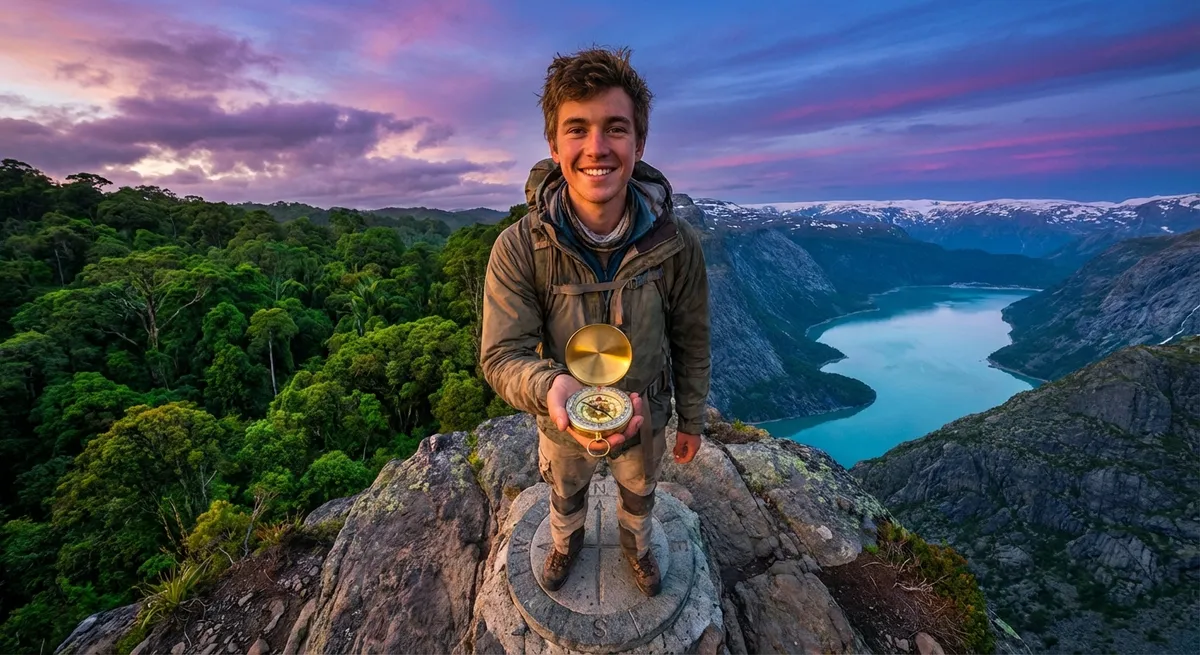
Your compass is already pointing somewhere. It’s time to follow.
Sources
- Chile Travel – Official Tourism Site: Patagonia - Background on Patagonia’s geography, climate, and major trekking areas
- Visit Iceland – Official Tourism Site - Practical information on exploring Iceland’s natural attractions and travel seasons
- Japan National Tourism Organization (JNTO) - Detailed insights on destinations like Tokyo and Kyoto, local customs, and travel tips
- PromPerú – Official Tourism of Peru - Overview of Peruvian regions, including Lima’s culinary scene and cultural context
- Visit Norway – Svalbard Information - Authoritative guide to Svalbard’s environment, activities, and responsible Arctic travel