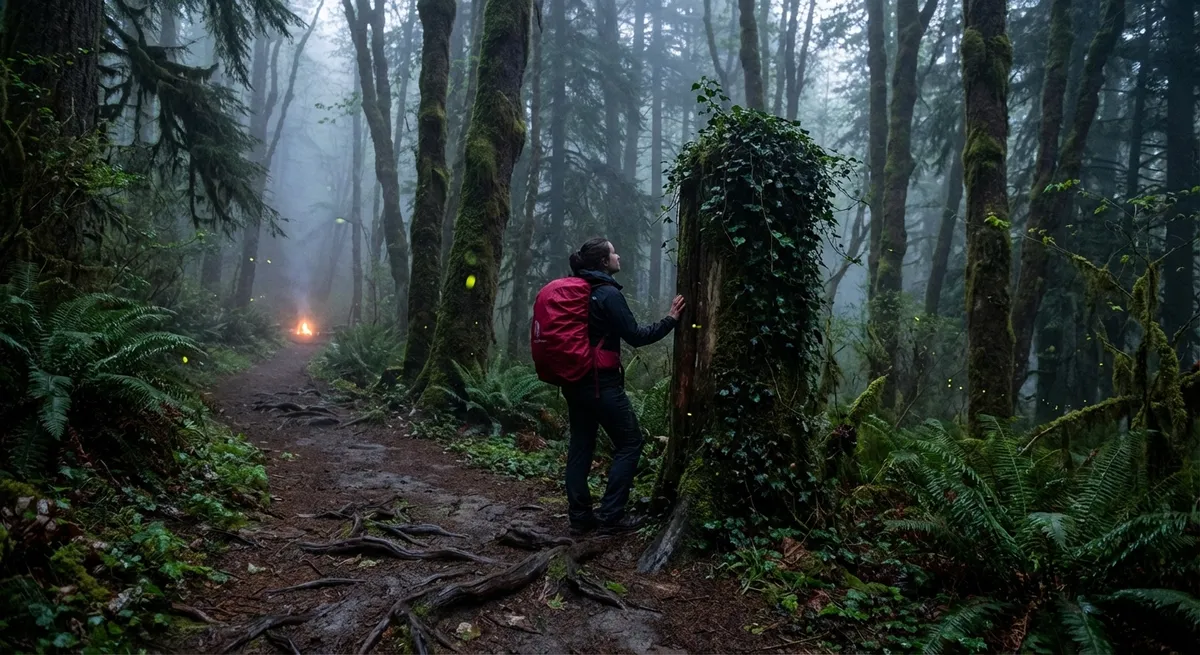
This is your invitation to step beyond predictable itineraries and into a style of travel where every day feels alive, unscripted, and deeply your own.
Turn “Getting There” Into the First Adventure
Most travelers treat transit as dead time between “real” experiences. Flip that script. The journey itself can be the part you remember most.
Swap a quick flight for a night train, a regional bus, or a slow ferry when it’s safe and available. On a train in Eastern Europe, you might share snacks with local families and learn the tiny rituals—how they brew tea, why they tap the window before tunnels. On a long-distance bus in Latin America, you might sweep through micro-climates in a single day, watching mountains turn to desert and then to jungle outside your window.
Practical moves: pack a small “transit kit”—journal, downloaded offline maps, a language app, a scarf or sarong (pillow, curtain, blanket in one), earplugs, and a refillable water bottle. Treat every transfer point—stations, ports, roadside food stops—as a mini field trip. Try the local commuter snacks, read the timetables like secret codes, listen to the announcements.
When you decide that adventure starts the moment you close your front door, even delayed trains and missed connections become part of the story, not just problems to solve.
Follow Passions, Not Just Pins on a Map
Instead of building your itinerary purely around “must-see” lists, start with what makes you feel most awake—and see where that leads.
If you love music, let a local concert calendar guide your nights. In West Africa that might mean dancing to live highlife until sunrise; in Berlin, slipping from underground techno to street buskers on the same night. If you’re drawn to food, follow fresh markets instead of restaurant rankings. Watch what queues form at dawn, smell what’s sizzling on corner grills, ask vendors what they eat when their stall closes.
Practical moves: before you go, write three things that reliably light you up—climbing, sketching, coffee, street photography, night skies, whatever. In each new city, dedicate at least one day to chasing one of those threads. Search for local clubs, workshops, open mics, or meetups in that niche. You’ll uncover adventures that don’t exist in guidebooks—and meet people who share your passions, even if you don’t share a language.
When your interests become your compass, every city starts feeling like a different chapter in a story you actually care about.
Say Yes to the Small, Wild Detours
The boldest adventures often start with a tiny decision: to walk one street further, to stay for one more song, to accept an invitation that scares you in a good way.
You might be invited to a family lunch after chatting with a market vendor about spices. A barista might insist you visit her favorite hilltop lookout at sunset. A fellow hiker might suggest an unplanned side trail to a hidden waterfall. These small detours are where strangers become friends and anonymous places become personal.
Practical moves: create your own “Yes Threshold” for the road. If an opportunity is legal, ethical, reasonably safe, and your gut says curiosity louder than fear, lean toward yes. Build in “elastic time” to your days—leave at least one afternoon with no fixed plan, so you have space to follow surprises. And keep simple boundaries: share your location with someone you trust, know your way back, and carry local emergency numbers.
You’re not trying to cram in more activities. You’re learning to keep your days open enough for the world to meet you halfway.
Learn to Move With the Land, Not Just Through It
True adventure deepens when you start syncing your pace with the places you pass through. That means walking where most people ride, sitting where most people rush, and noticing what the landscape asks of you.
In mountain regions, that might mean waking before dawn to climb in cool, blue light as villages slowly stir below. In coastal towns, you might align your days with tides and fishing boats, wandering the shore when the ocean reveals tide pools full of tiny worlds. In deserts, adventure might be about respecting heat and distance, timing your movement to dawn and dusk, letting the silence reset your mind.
Practical moves: study basic local geography before you arrive—rivers, mountains, climate, even fault lines. Pack for the terrain, not just the Instagram shot: proper footwear, layers, sun protection, and a small first-aid kit. When possible, choose at least one human-powered journey per trip: a multi-hour hike, a bike day, a long city walk, a paddle or kayak route with a local guide.
The more you move at the speed of your own body, the more you start to actually feel where you are, instead of just ticking another place off a list.
Let Conversations Rewrite Your Route
Some of the most unforgettable adventures begin with the question: “What do you love about living here?”
Ask your guesthouse host where they take their kids on a Sunday. Ask the bookstore clerk which café has the best late-night conversations. Ask your rideshare driver what place they’d show a visitor if they only had one afternoon. The answers will steer you away from choreographed tourism and straight into the heart of a place’s daily life.
Practical moves: learn a handful of phrases in the local language—hello, please, thank you, delicious, beautiful, and “What do you recommend?” These tiny efforts open big doors. Respect that not every space or tradition is for outsiders; listen twice as much as you speak. When someone shares a personal place with you—a favorite bench, a street food stall, a quiet temple—treat it with care. You’re not just collecting experiences; you’re entering someone’s living world.
When you let conversations shape your journey, you stop treating people as scenery. The story of your adventure becomes the story of the people you met along the way.
Conclusion
Adventure doesn’t always arrive with fanfare. Often, it appears as a side street you almost walked past, a slow bus you almost didn’t take, a local’s suggestion you nearly dismissed. The more you choose curiosity over control, presence over perfection, and connection over checklists, the more the world stops feeling like a backdrop—and starts feeling like a living, responsive partner in your journey.
Your next trip doesn’t have to be longer, further, or more extreme to feel extraordinary. It just has to be lived with your senses awake and your courage switched on.
Pack your bag. Loosen your plans. Let the unmarked path find you.
Sources
- U.S. Department of State – Traveler’s Checklist - Guidance on safety, documents, and preparation for international adventures
- Centers for Disease Control and Prevention – Travel Health - Up-to-date health advice, vaccines, and region-specific alerts for travelers
- Lonely Planet – Responsible Travel Tips - Practical ways to travel more respectfully and meaningfully in local communities
- National Geographic – Adventure Travel - Inspiring stories and examples of immersive, landscape-focused adventures
- BBC Travel – Slow Journeys and Overland Travel - Insight into turning transit and slow movement into memorable parts of your journey