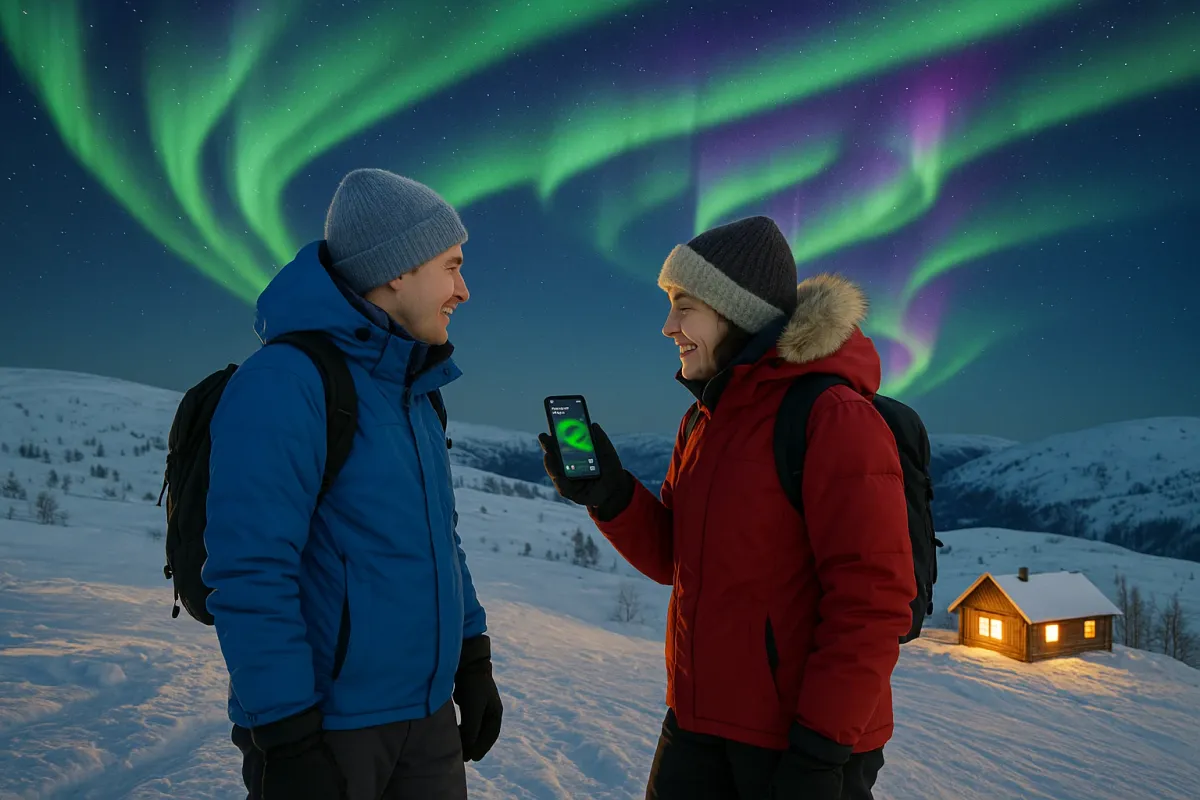
If the latest aurora photos have you itching to head north, this is your moment. Solar activity is peaking, airlines are pushing winter routes to Arctic hubs, and local tour operators in Tromsø, Abisko, and Lapland are reporting a surge in “bucket list” bookings. Use that momentum. Here’s how to turn this very real, very current aurora boom into a trip that feels both wildly adventurous and surprisingly doable.
Time Your Trip With Today’s Solar Storm Buzz
Right now, space weather agencies like NASA and NOAA are issuing frequent solar storm alerts that are driving those viral Northern Lights videos you’re seeing. Strong geomagnetic activity means higher chances of vivid auroras—and sometimes even sightings farther south than usual. Instead of just liking those posts, sync your trip planning with the same data the photographers are following.
Check Kp index forecasts (a measure of geomagnetic activity) a few weeks out from your ideal dates, and stay flexible with your destination. If the Kp index spikes, northern Norway, Swedish Lapland, Finnish Lapland, and Iceland become your best bets. Book flights into hubs like Tromsø, Kiruna, Rovaniemi, Reykjavík, or even Alta, where local guides tailor nightly hunts to the latest conditions. Aim for at least three to five nights on location—today’s storms may light up the sky, but auroras still dance to their own rhythm, and giving yourself a window transforms “hope we see something” into “we almost certainly will.”
Pick A Base Where Darkness Works For You, Not Against You
Travelers chasing the lights this season are learning fast: you don’t have to rough it in the wilderness to get jaw‑dropping views—you just have to be smart about darkness. Many of the most shared photos this year come from stays just outside cities like Tromsø and Rovaniemi, where lodges sit under dark skies yet remain a short drive from cafes, saunas, and cozy restaurants. That balance is gold.
Choose accommodation that understands aurora hunters. Glass‑roofed cabins in Finnish Lapland, igloo‑style domes near Abisko, and cabins in Iceland’s countryside often offer wake‑up calls when the lights appear. Check recent reviews from this season to see if guests mention successful sightings and how far they had to travel to escape light pollution. Avoid big urban centers as your base; instead, treat them as day‑trip hubs. The more the stars pop overhead when you step outside at night, the better your chances that those viral‑worthy ribbons of light will follow.
Pack Like An Arctic Storyteller, Not A Tourist
The travelers filling your feed with crisp aurora shots aren’t just lucky—they’re prepared. Northern Europe is experiencing its usual deep winter cold, and people who underestimate it often end up back inside just as the sky decides to show off. Think like a storyteller on assignment: you’re going north to stay outside long enough to witness magic, not just peek at it.
Layer like a pro: wool or thermal base layers, an insulating mid‑layer (down or fleece), and a windproof, waterproof shell. Add insulated boots (with room for thick socks), glove liners plus mittens, and a warm hat that covers your ears. For your phone and camera, bring hand warmers and a small dry bag; cold snaps are brutal on batteries, especially when you’re recording long exposures or videos for Instagram or TikTok. A tiny tripod or phone tripod can turn a blurry memory into a frame‑worthy shot. This isn’t about gear for gear’s sake—it’s about giving yourself the comfort and tools to stay out in the dark until the sky finally erupts.
Use Live Apps And Local Guides To Chase, Not Just Wait
With solar storms in the headlines, the best aurora chasers are treating the sky like a live event, not a static backdrop. Apps like My Aurora Forecast, Aurora Alerts, and local services in Norway, Sweden, and Iceland are pinging users with real‑time data. Pair those with local knowledge, and you’ve got a powerful combo that today’s travelers are using to outsmart the clouds.
Book at least one dedicated aurora tour with a reputable operator in your chosen region—many in Tromsø, Abisko, and Icelandic countryside spots now offer “cloud chasing” drives, where guides scan satellite maps and chase gaps in the cloud cover across multiple valleys. On other nights, use your apps, step outside frequently, and learn to read the sky: a pale gray arch can suddenly intensify into bright green. Treat each night as a mini‑expedition. Instead of sitting in your room refreshing social media, you’ll be out there creating the content everyone else will be resharing tomorrow.
Let The Aurora Shape Your Days, Not Just Your Nights
The travelers having the richest experiences during this aurora boom are doing more than staying up late and sleeping through daylight. Long Arctic nights change your rhythm—but that’s part of the adventure. Use the aurora as a compass for your whole trip, not just a single activity.
Sleep in after late‑night hunts, then lean into the winter culture that surrounds the lights. In Swedish and Finnish Lapland, join reindeer or husky safaris through silent forests, then warm up in traditional saunas. In Iceland, chase waterfalls and geothermal lagoons by day before returning to your secluded cabin. Around Tromsø, take fjord cruises, visit Sami cultural sites, or ride cable cars up snowy peaks. The more you root your trip in the region—its food, stories, and pace—the more the Northern Lights become a chapter in a bigger journey, not just a trophy shot. When you finally board your flight home, you won’t just be bringing back photos of the sky—you’ll be bringing back a whole new way of inhabiting the dark.
Conclusion
Right now, as solar storms color the headlines and nature photographers share fresh aurora shots from Nordic skies, you are living in one of the best windows in years to chase the Northern Lights. This isn’t just another trend to scroll past; it’s an invitation to step into the same wild glow that’s lighting up everyone’s screens—only for real.
Plan with the data the experts use, choose a dark‑sky base, gear up for cold, lean on apps and local guides, and let the Arctic reshape your sense of time. Do that, and you won’t just watch the Northern Lights. You’ll stand under them, breath fogging in the air, watching the sky move like a living thing—knowing that, for once, you didn’t just follow the news. You followed it all the way to the edge of the world.