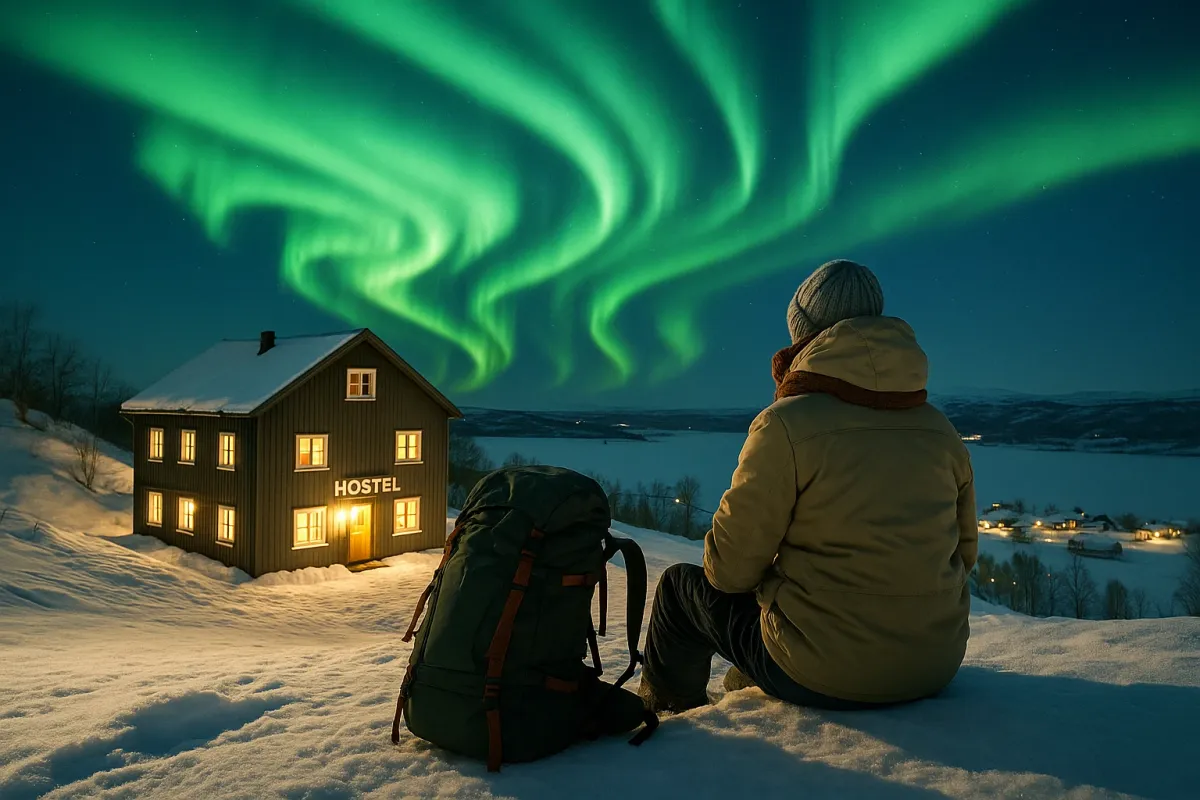
With solar activity peaking this cycle, space-weather agencies and seasoned photographers are calling this one of the best Northern Lights seasons in years. That means this winter is the moment to go—especially if you’re traveling on a budget. Forget the overwater spas and $700 “aurora domes.” If you’re willing to be flexible, a little scrappy, and very curious, you can watch the sky catch fire for less than a fancy city weekend at home.
Below are five ways to turn the current Northern Lights buzz into your own affordable adventure.
Choose “Almost Famous” Destinations Instead Of Icons
Everyone rushes to Tromsø, Iceland’s Golden Circle, or Finland’s postcard-famous glass igloos—exactly where prices are spiking as aurora photos from 2025 go viral. But the same solar storm that lights up Tromsø also lights up quieter, cheaper places right next door.
Trade Tromsø for Narvik or Alta. Hop past Reykjavík into North Iceland hubs like Akureyri, or cross into Swedish Lapland towns like Kiruna and Abisko rather than pricier resort villages. These spots still sit comfortably under the auroral oval that experts keep talking about this season—but you’ll find cheaper guesthouses, fewer tour buses, and a better chance to stand alone with the sky.
Smaller towns also mean local buses instead of tourist shuttles, supermarkets instead of resort restaurants, and free viewpoints instead of ticketed “aurora parks.” In 2025, travelers are sharing more GPS pins, Google Maps lists, and TikTok breakdowns of hidden-view spots than ever. Use that. Let the crowds filter out the expensive hot spots while you follow the same lights for half the cost.
Turn Long Nights Into Long Weekends, Not Long Vacations
One reason aurora trips feel expensive is that people plan them like full-blown Arctic expeditions. You don’t need two weeks, dogsled safaris, and snowmobile tours to see the sky explode—it can happen on a three‑night break if you plan around the solar cycle and local weather.
Space-weather forecasts are now front‑page news in aurora communities. Websites and apps like SpaceWeatherLive, AuroraWatch, and local institutes in Norway, Sweden, and Iceland publish short‑term forecasts that serious photographers are glued to this season. Watch those, then pounce: book a Thursday–Monday or Friday–Tuesday trip when geomagnetic activity looks promising and flights dip.
Short trips also mean:
- Fewer nights of accommodation to pay for
- Less time off work
- A better chance of catching flash sales airlines are quietly running to Arctic airports this winter
You’re not trying to live in the Arctic; you’re trying to be there when the sky decides to perform. Plan short, intense, targeted trips—like a heist, but the treasure is green fire.
Sleep Simple, Travel Light, Stay Warm
The biggest trap right now: “aurora hotels” selling the sky as a luxury add‑on. Glass igloos, high‑end cabins, hot spring resorts—they’re beautiful, and they’re also swallowing entire travel budgets in one night. What recent travelers are discovering (and posting about) is that the lights don’t care what kind of roof you paid for.
Instead, strip your stay down to what actually matters:
- A warm, safe bed (hostels, basic guesthouses, local Airbnbs, cabins shared with friends)
- A kitchen or at least a kettle and microwave
- Access to dark skies: a short walk, a bus ride, or a local guide you can afford
Then invest where it counts for comfort and survival: layered clothing, waterproof boots, a beanie that actually covers your ears, hand warmers, and a cheap foam sit pad so you’re not freezing on a rock while the show starts. Every euro you don’t spend on a designer cabin buys you another night under the stars, another bus to a different fjord, another bowl of steaming soup when you finally stumble back, exhausted and glowing.
In 2025, ultra‑light winter travel gear is more available and more affordable than ever. Look for end‑of‑season sales, rental gear from outdoor shops near your destination, or local buy‑nothing groups where travelers pass on gloves or base layers. Your goal isn’t to look epic in photos; it’s to stay outside long enough to watch the sky change.
Hack Aurora Tours With DIY Micro‑Adventures
Traditional aurora tours—big buses or convoys chasing gaps in the clouds—are booming this year, and prices are rising with demand. They’re great if you’re short on time or nervous about winter roads, but they’re not your only option. With so much information being shared in real time, 2025 is the year of the DIY aurora hunter.
Here’s how to create low‑cost, high‑adventure alternatives:
- Use local transit like adventure shuttles. Night buses or regional trains heading out of main towns can double as aurora transport—ride out, hop off at a smaller village, walk a short distance to the dark, and catch the return.
- Join small local groups instead of big tour operators. Facebook groups, Reddit threads, and WhatsApp/Telegram chats are overflowing with travelers pooling money to rent a car together, split fuel, and share photography tips.
- Find “walkable darkness.” Check light‑pollution maps and choose accommodation with a 15–30 minute walk to a shoreline, hill, or open field. That short midnight walk replaces the $180 “aurora transfer.”
- Book one guided tour, then copy the strategy. Go once with a reputable local guide to learn where they park, which apps they check, how they read clouds and KP indices. The next nights, you echo their pattern with newly confident eyes.
The adventure here isn’t just seeing the aurora; it’s learning to chase them, collaborating with strangers, and turning remote bus stops and frosty backroads into chapters of your own story.
Capture The Moment Without Expensive Gear
Look at any of the 2025 Northern Lights photo contests and you’ll see jaw‑dropping shots taken on $3,000 cameras and prime lenses. But scroll down a bit, and you start spotting something new: phones. Lots of them. Flagship smartphones now have surprisingly capable night modes, and budget travelers are quietly proving you don’t need pro gear to bring home soul‑stirring shots.
To keep things budget‑friendly but adventure‑ready:
- Use the camera you already own. Learn its night mode before you go—practice in a dark park at home.
- Add one cheap accessory: a mini tripod. Even a $20 travel tripod or a clamp you can attach to a fence can turn a blurry smear into a crisp memory.
- Steal pro tricks for free. Watch YouTube tutorials and TikToks posted this season by aurora photographers; they’re sharing updated settings that match current solar activity and winter conditions.
- Trade photos, not filters. Offer to share your best shots with other travelers or local guides if they send you theirs in return. You might end up with a DSLR‑grade shot of yourself under the sky—no rental necessary.
And remember: not every moment needs a lens. Some of the most powerful stories people are telling from this year’s displays mention the same thing: at some point, they put the camera down. The clouds parted, the sky erupted, and for a few minutes, they just stood there—in a borrowed jacket, on a cheap trip, under a billion‑dollar sky.
Conclusion
This season, as seasoned aurora hunters and first‑timers flood social feeds with wild green swirls from Norway, Sweden, Finland, and Iceland, it’s easy to assume they all spent a fortune to get there. They didn’t. Many of them hacked flight sales, slept in hostels, cooked their own pasta, walked down unlit roads, and watched the same spectacular storms as those in luxury domes.
The Northern Lights are having a moment right now—and they are not reserved for the rich. If you can be flexible with dates, modest with comfort, and bold with curiosity, you can trade one ordinary weekend at home for an Arctic night that rewires how you see the world.
You don’t have to buy the dream. You just have to go stand beneath it.