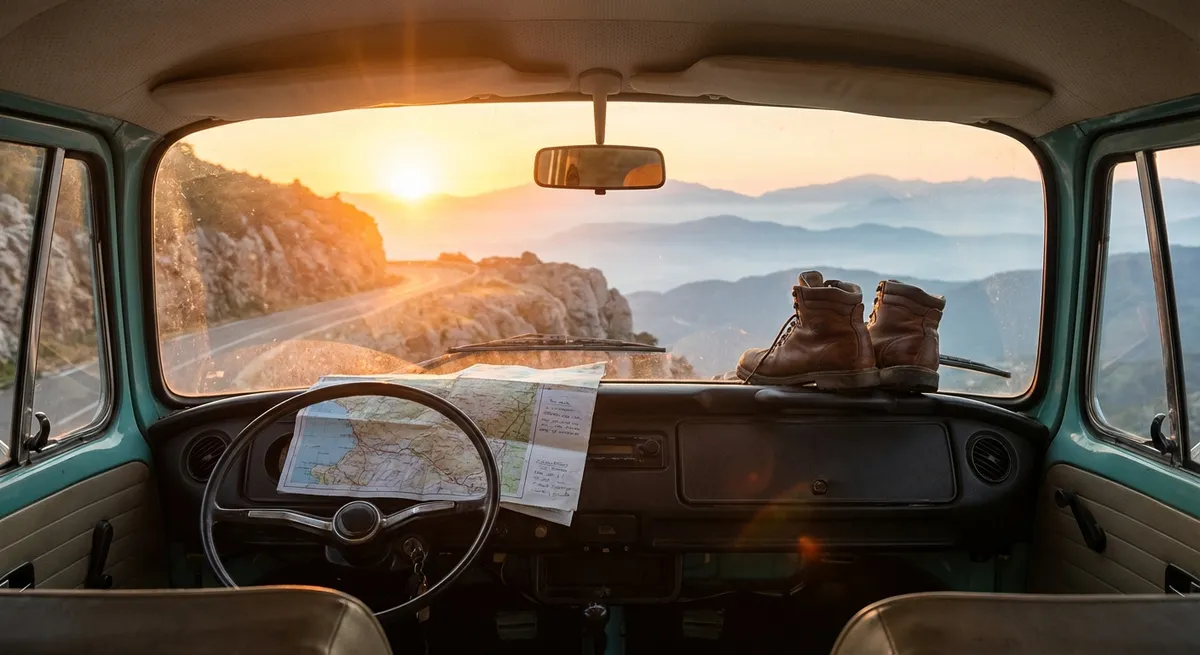
Below are five kinds of places that don’t just fill your passport; they wake up your senses, stretch your courage, and remind you how big—and how beautifully close—this planet really is.
1. High-Altitude Cities That Teach You to Breathe Differently
High-altitude cities don’t just offer epic views; they literally change how you move through the day. Places like La Paz in Bolivia, Lhasa in Tibet, and Quito in Ecuador hover so close to the sky that even climbing a few stairs becomes an adventure.
In these cities, your first lesson is patience. You walk slower, drink more water, and discover that rushing is a habit, not a requirement. Street markets seem more vivid when you’re slightly breathless: colors brighter, food smells sharper, conversations more intense. Cable cars in La Paz float above patchwork neighborhoods, turning daily commutes into airborne panoramas. In Quito, churches rise from volcanic slopes, and every viewpoint feels like the edge of the world.
Practical advice: acclimatize with intention. Spend your first day strolling, not conquering. Skip heavy alcohol at first, hydrate relentlessly, and consider a day or two at moderate altitude before heading higher. Embrace local remedies—coca tea in the Andes, ginger in the Himalayas—as part of the cultural experience, not just survival tactics.
2. Island Nations Where the Ocean Rules the Clock
On small islands, time doesn’t just slow down—it bends around the tide. In places like the Faroe Islands, Palawan in the Philippines, or the Azores in Portugal, every plan bows to the sea and sky. Ferries may run “when the weather allows,” and you quickly learn that flexibility is not a flaw; it’s a superpower.
Here, the horizon is a constant companion. You might wake up to fog swallowing entire cliffs, then watch it roll away to reveal emerald slopes and waves exploding in white spray. Tiny fishing harbors become social hubs, where kids leap from piers and elders mend nets with the calm of people who’ve read the ocean their whole lives. Long coastal walks turn into meditative journeys, each bend revealing another cove, another flock of seabirds, another reason to keep going.
Practical advice: build buffer days into your itinerary. On ocean-ruled islands, delayed boats or canceled excursions are normal, not disasters. Pack layers for unpredictable weather, and plan activities that don’t depend on perfection—coastal hikes, village wandering, or slow café mornings with stormy views. Let the tides dictate your rhythm and you’ll feel less like a visitor, more like a temporary islander.
3. Night-Sky Sanctuaries That Rewire Your Sense of Scale
Some destinations are best experienced in the dark. In places like New Zealand’s Aoraki Mackenzie International Dark Sky Reserve, the deserts of Jordan, or the high plateaus of Chile’s Atacama, the night sky stops being a backdrop and becomes the main event.
Under these skies, you realize how star-starved most cities are. The Milky Way doesn’t just appear—it pours across the heavens in a white river. Shooting stars become common, satellites trace slow paths, and you begin to understand why ancient cultures turned constellations into stories: it’s impossible not to. Even without a telescope, you feel small in the most exhilarating way; your worries shrink to match your scale in the universe.
Practical advice: plan around moon phases. For the most dramatic stargazing, aim for new moon periods when the sky is darkest. Bring a red-light flashlight to protect your night vision, download offline stargazing apps, and dress warmer than you think necessary—cold creeps in fast when you’re standing still. Book with local guides or observatories when possible; they translate distant light into legends, science, and meaning.
4. Border Cities Where Cultures Collide in Real Time
Border cities are living crossroads, where languages swap mid-sentence and street food stands become diplomatic missions. In places like Tijuana (Mexico–U.S.), Strasbourg (France–Germany), or Basel (Switzerland–France–Germany), you can cross invisible lines that shift cuisine, architecture, and pace of life in a single tram ride.
These places hum with layered identities. One street might offer French bakeries alongside German beer halls, while another serves tacos next to Californian craft coffee. Train stations buzz in several tongues, and markets sell souvenirs that don’t belong to just one flag. You notice how arbitrary lines on maps feel when people effortlessly code-switch between currencies, customs, and cultural references.
Practical advice: walk with curiosity, not assumptions. Learn a few phrases from each dominant language, and pay attention to small differences—traffic rules, tipping culture, public transit norms—on each side of the border. If you’re crossing official checkpoints, research visa rules and identification requirements ahead of time. Seek locally run tours that tell the region’s shared story, not just one country’s version.
5. Ancient Trading Hubs Where Every Street Is a Time Tunnel
Former trading cities haven’t just preserved their history—they’re built from it. Wander Istanbul, Marrakech, or Penang and you’ll feel centuries of negotiation, migration, and imagination baked into the bricks.
In these places, you rarely move in straight lines. Narrow alleys twist past spice-scented stalls, crumbling facades hide tiled courtyards, and call-to-prayer or temple bells turn each hour into theater. You might pass Ottoman arches, Art Deco storefronts, and sleek cafés in a five-minute walk, each layer a chapter of some merchant’s gamble or pilgrim’s dream. Sitting in a teahouse or hawker center, you can taste trade routes on your plate—Chinese techniques, Indian spices, Arab influences, all colliding in one dish.
Practical advice: explore on foot early and late. Morning brings deliveries, washing lines, and locals chatting over first cups of tea; evenings fill the streets with music, food, and neon reflections. Carry offline maps, but don’t fear getting “lost”—these cities reward detours. Read a little history before you arrive; understanding the trade routes and empires that passed through will turn architecture and street names into clues in a grand story you’re walking through.
Conclusion
The most powerful destinations don’t just add stamps to your passport; they add new dimensions to how you move, notice, and belong in the world. High-altitude cities teach patience. Island nations teach surrender. Night-sky sanctuaries teach humility. Border towns teach complexity. Trading hubs teach continuity.
You don’t have to wait for the “perfect” trip or the “right” moment. Start scanning maps for places that will stretch you, not just impress you. Pick a point on the horizon that feels slightly intimidating—and go meet the version of yourself who’s already there, standing in a new city, breathing deeper, looking up, and realizing you’re capable of far more adventure than you ever imagined.
Sources
- UNESCO World Heritage Centre – Historic Areas of Istanbul - Background on Istanbul’s layered trading history and cultural significance
- International Dark-Sky Association – International Dark Sky Places - Information on certified dark sky reserves and parks worldwide
- Centers for Disease Control and Prevention – High-Altitude Travel & Altitude Illness - Practical health guidance for travelers visiting high-altitude destinations
- Faroe Islands Official Tourism Board - Insight into island life, weather, and travel planning in an ocean-governed destination
- UNWTO – Tourism and Cultural Heritage - Context on how cultural crossroads and historic cities shape travel experiences today