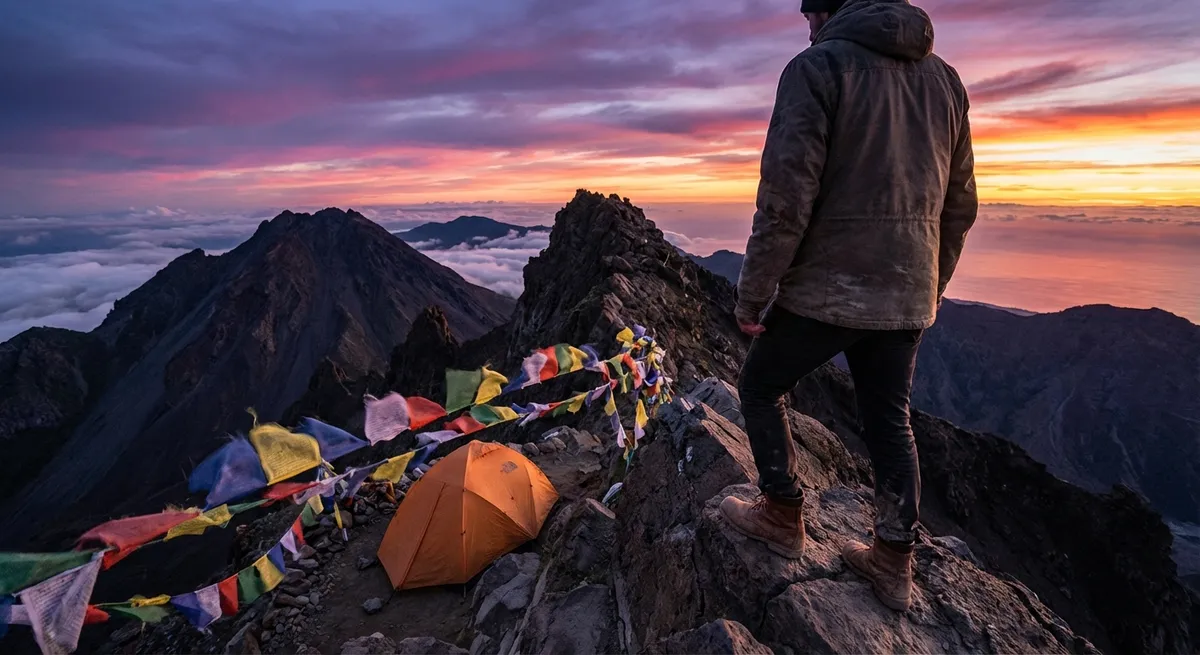
Below are five adventure shifts—more than just activities—that can turn your next trip into a personal turning point.
Trade Viewpoints for Vertigo: Moving From Scenic to Immersive
Looking at a place from a viewpoint is nice; feeling it with your whole body is unforgettable. Instead of just snapping a photo from a lookout, ask: how can I enter this landscape?
Think about hiking along a rim trail instead of only stopping at the viewpoint, or kayaking through a fjord rather than photographing it from shore. In many destinations, guided treks, via ferratas, and canyon walks let you safely step into the wild without needing elite skills. Research local outfitters in advance and check the difficulty ratings so you can push your limits without blowing past them.
Pack lightweight layers, a refillable water bottle, and shoes you can trust on wet or uneven ground. Adventure is about immersion, not misery—so respect your energy level, the weather, and park regulations. When you swap passive viewing for active participation, the landscape stops being a backdrop and becomes part of your own origin story.
Follow the Elements: Designing Trips Around Earth, Water, Air, and Fire
Instead of asking “Where should I go next?” try “Which element do I want to travel through?” Let the forces of nature set the tone, and watch how your planning—and memories—change.
Earth adventures might mean trekking through red rock canyons, cycling across rolling vineyards, or walking a multi-day route between mountain villages. Water pulls you toward coastal road trips, river rafting, wild swimming, or learning to surf in a beginner-friendly bay. Air shows up in hot-air balloon rides, paragliding with a tandem pilot, or simply picking city rooftops and high ridges as your daily sunset ritual. Fire—symbolic as much as literal—can look like camping under star-strewn skies, gathering around a volcano-side hot spring, or joining a traditional festival filled with lanterns and bonfires.
By picking an element as your anchor, you create a theme for your route, photos, and stories. It also helps you pack smarter (think dry bags for water-heavy trips, or warm layers and headlamps for star-chasing nights) and zero in on local guides who know how to keep you safe while you play with nature’s raw edges.
Say Yes to Local Dares: Small Risks With Big Stories
Every destination has its own version of a dare—something that feels a little wild to you but is ordinary life to the people who live there. Leaning into those small, localized risks can turn a standard trip into a personal legend.
This might mean trying a street food stall that locals line up for, even if you can’t pronounce the dish. It could be joining a pre-dawn market tour, hopping on a rattling regional bus instead of a tourist coach, or signing up for a beginner canyoning or climbing course with a licensed local guide. The key is calculated risk: choose experiences that are culturally or physically new, but vetted for safety and legality.
Do a quick check of reviews, certifications, and safety briefings. Listen to your instincts, and set your own red lines (for example, no unhelmeted scooters, no unregistered tour operators, no wildlife encounters that involve touching or feeding animals). When you say “yes” inside those boundaries, you collect the kind of stories that start with “I almost didn’t do it, but…”
Build Adventure Into Your Mornings and Evenings
Peak adventure doesn’t only live in big-ticket days. You can layer it into the edges of your trip—the hours other travelers tend to sleep through or scroll away—by designing “bookend adventures” around your mornings and nights.
At sunrise, try trail runs or walks before the city wakes up, quiet kayak paddles on still water, or a simple ritual of finding the highest accessible point to watch the day crack open. In the evenings, seek night markets, stargazing spots, twilight bike rides, or night-time city photography sessions. These margins of the day feel different: safer in some ways because crowds are fewer, more magical because light is low and sounds are sharper.
Bookend adventures don’t require extra tickets or days off, just intention and a willingness to set an alarm. They’re powerful tools if you’re traveling on a tight schedule or mixing work with exploration. Even on a short city break, two or three dawn or dusk missions can make the trip feel rich, wild, and yours.
Turn Fear Into a Compass, Not a Cage
The most meaningful adventures rarely feel comfortable at the start. They scrape against your fears: of getting lost, of looking foolish, of crossing a language barrier, of being truly out of control for a moment. The goal isn’t to bulldoze those fears; it’s to let them guide you toward deliberate growth.
Before your trip, list a few things that scare you a little, not a lot: traveling solo for a day, renting a bike in a new city, navigating public transport in another language, or booking an introductory whitewater rafting run. Rank them from “mild butterflies” to “absolutely not,” and plan one or two from the lower end of that scale into your itinerary.
On the ground, notice your body’s reaction when you step into those moments—shaky knees, quick heartbeat—and also notice what happens after. Often, your world expands by a few inches every time you do something you once labeled “too much for me.” Over a lifetime of trips, those inches add up to an entirely different version of yourself, one who sees challenges as invitations instead of walls.
Conclusion
Adventure is less about cliff edges and more about inner edges. It’s the choice to step a little further each time: into a canyon, onto a trail, through a foreign market, across a language barrier, toward a sunrise you almost slept through. You don’t need a perfect plan or endless money to live courageously on the road; you need curiosity, respect for your limits, and a bias toward saying “yes” when the next horizon calls.
The world is wider than your routine, and your capacity for awe is deeper than you think. Pack your doubts, your questions, and your wild hopes—and let your next trip be the one where you stop only seeing the map and start moving through it with your whole heart.
Sources
- U.S. National Park Service – Hiking Safety Tips - Practical guidance on preparing for immersive outdoor adventures and staying safe on trails
- Adventure Travel Trade Association – Adventure Travel Guide Qualifications & Performance Standard - Explains best practices and safety benchmarks for professional adventure guides
- Centers for Disease Control and Prevention – Traveler’s Health - Up-to-date recommendations on staying healthy and managing risk while traveling
- Leave No Trace Center for Outdoor Ethics - Outlines principles for minimizing environmental impact during outdoor and wilderness adventures
- REI Co-op – How to Choose a Guided Adventure Trip - Offers advice on selecting reputable outfitters and matching trips to your experience level