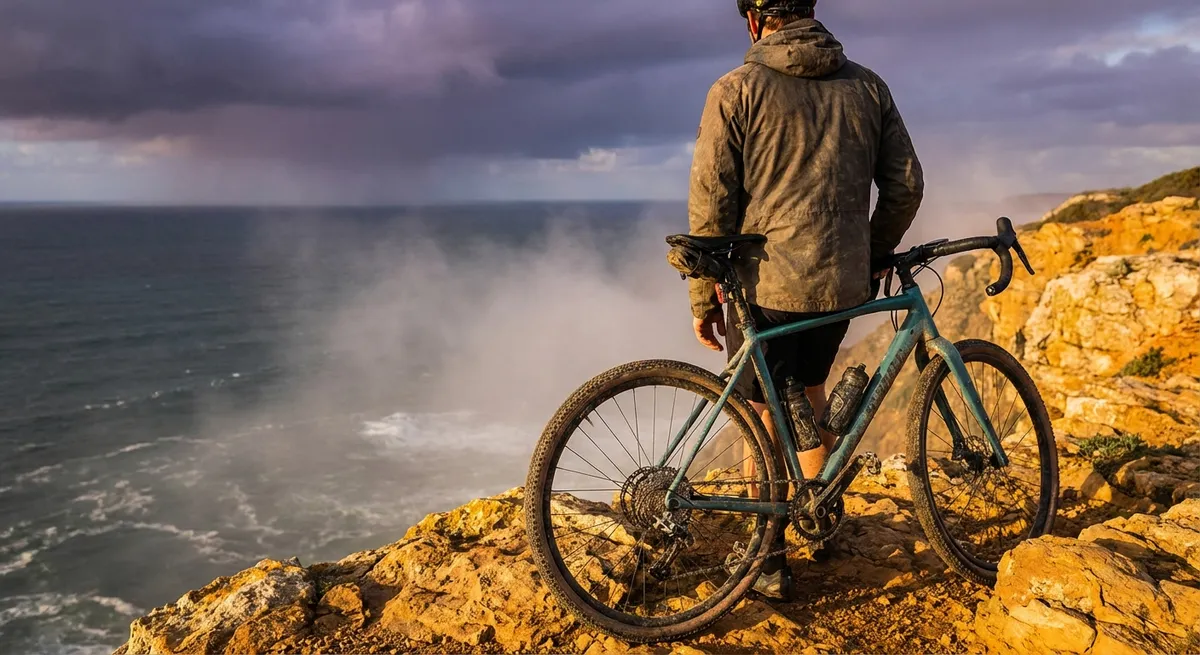
Point One: Follow the Edge of Your Nerves
The most unforgettable adventures live exactly where you feel that slight tremor of “Can I really do this?”—not total panic, not total ease, but the edge in between.
Maybe it’s signing up for a sunrise hike when your alarm usually goes off at noon, or booking a solo train ride to a city where you don’t speak the language. That edge is your compass. It points to growth you can’t download or binge-watch.
To tap into this, start by choosing one thing per trip that feels just beyond your normal. It could be camping instead of a hotel, kayaking instead of a bus tour, or booking the overnight sleeper train instead of a quick flight. Keep it safe and informed—check local guidance, weather, and basic safety rules—but don’t over-research to the point that there’s nothing left to discover.
The magic happens in that tiny gap between “I don’t know how this will go” and “I’m doing it anyway.” That’s where the stories you’ll tell for years are born.
Point Two: Turn Everyday Landscapes into Your Adventure Ground
You don’t need a summit or a passport stamp for your pulse to quicken. Adventure is less about where you go and more about how you move through wherever you are.
In a city, let yourself get wonderfully lost—on purpose. Walk without a fixed route for a few hours. Follow the sound of street music, chase the smell of something cooking, turn down the alley with the most plants spilling from balconies. Skip the main boulevard and trace the side streets where laundry hangs and local life unfolds.
In nature, choose paths that invite interaction rather than just observation. Rent a bike and follow the river. Join a group rock climb or a local walking club. Learn the tide schedule and walk a coastal path at golden hour. The goal is to shift from spectator to participant.
Say yes to micro-adventures: sunrise swims, twilight runs, rooftop stargazing, night markets lit by flickering bulbs. When you approach each place like a playground rather than a postcard, ordinary spaces turn electric.
Point Three: Let Locals Rewrite Your Itinerary
Adventures become unforgettable the moment you let the place and its people change your plans.
Instead of treating your itinerary like a script, think of it as a sketch. Use it to land softly, then let locals sharpen the details. Ask your guesthouse host where they’d take a friend visiting for the first time. Chat with your barista or street food vendor about where they go on their day off. Take the restaurant recommendation scribbled on a napkin over the glossy flyer.
Say yes—cautiously but openly—to invitations that feel genuine and safe: a neighborhood festival, a pickup football match, a cooking class in someone’s backyard, a community hike. These are the moments that don’t show up in guidebooks but stay lodged in your memory.
Always blend spontaneity with safety. Let someone know where you’re going, keep a charged phone and offline map, and trust your instincts. When something feels off, bow out. When something feels right, lean in. The best detours are the ones that reveal a living, breathing version of a place instead of the curated one.
Point Four: Build Adventures Around Skills You Want to Learn
One way to turn a trip into a life-shifting adventure is to tie it to a skill you’ve always wanted to master.
Instead of just “going to the mountains,” go to learn how to navigate trails safely, read weather changes, or set up a proper camp. Book a multi-day workshop: freediving in a coastal town, wilderness first aid in a national park, traditional cooking in a rural village, or navigation and map-reading in a nature reserve.
This kind of trip transforms you from tourist to student of the world. You’re not just passing through; you’re absorbing something you can carry into every future journey. It slows you down, anchors you in one place long enough for familiarity to blossom, and gives you a deeper connection to the land and people teaching you.
Do your homework—pick reputable schools, guides certified by recognized organizations, and courses that prioritize safety and local respect. You’ll return home with more than photos: you’ll have newfound confidence and a toolkit for bigger, bolder adventures ahead.
Point Five: Design Your Own “Epic Moment” Ritual
Every adventure deserves a defining moment—a scene where you pause, zoom out, and really feel what you’re doing with your one wild life.
Instead of waiting for that moment to appear, design it. Before each trip, choose one intentional “epic moment ritual.” It could be:
- Watching the sun rise from a lookout point you hike to in the dark
- Jumping into cold water after a long day of travel
- Sitting on a rooftop or hill at dusk, journaling what you noticed that day
- Taking a quiet midnight walk in a safe, well-lit area just to hear the city’s different heartbeat
On the day you’ve chosen, protect that time. Leave your phone in your bag, or use it only for a quick photo and then step away from the screen. Let your senses do the recording.
These small rituals become anchors in your memory. Years later, you might forget the name of the hostel or the exact bus route, but you’ll remember the feeling of the wind on your face at that overlook, the echo of street music in the night air, or the taste of the tea you sipped while the world lit up around you.
Conclusion
Adventures don’t wait politely for the “right time.” They appear in the second you decide that your curiosity matters more than your excuses, and your sense of wonder is worth a little discomfort.
You don’t have to quit your job, backpack for a year, or live on the road to live adventurously. You only have to keep choosing the horizon: the edge of your nerves, the backstreet instead of the boulevard, the conversation instead of the quick photo, the skill learned instead of the box checked, the ritual instead of the rush.
The world is bigger than your comfort zone and more generous than your fears. Pack light. Walk toward the unknown. Let your next “hop” be the one that turns a simple trip into a story you’ll want to tell again and again.
Sources
- U.S. National Park Service – Hiking Safety Tips - Practical guidance on staying safe while exploring trails and wild landscapes
- Adventure Travel Trade Association – Adventure Travel Trends - Insight into how adventure travel is evolving and why immersive experiences matter
- REI Co-op Expert Advice – How to Plan a Hike - Beginner-friendly advice on planning and preparing for hiking adventures
- Lonely Planet – Responsible Travel Guidelines - Tips on engaging with local communities and cultures respectfully while traveling
- Centers for Disease Control and Prevention – Travel Health - Up-to-date guidance on staying healthy and safe on international trips