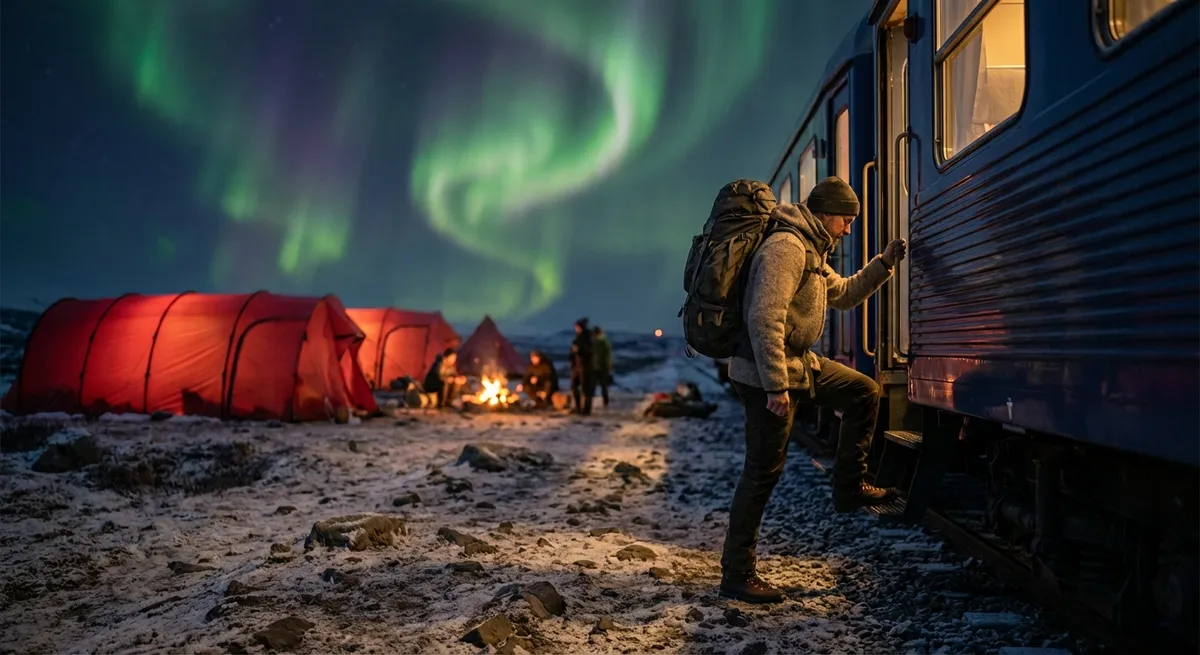
This is your invitation to step into stories you haven’t lived yet. Below are five powerful adventure sparks—more than bucket-list ideas, they’re experiences that shift how you move through the world. Use them as a jump-off point, mix and match, or twist them into something that’s entirely your own.
1. Trade Screens for Skylines: Sunrise Missions Above the City
There’s a different city that wakes up before rush hour—a quieter, braver one that belongs to the runners, the rooftop-watchers, and the people chasing first light. Setting your alarm for a sunrise adventure feels radical in a world that worships late-night scrolling.
Find the highest legal viewpoint in your area: a hill, a public overlook, a coastal bluff, or a rooftop terrace. Plot your route the night before, lay out your clothes, and set a non-negotiable alarm. When it goes off, don’t negotiate with yourself—just move. Bring a thermos of coffee or tea, a small notebook, and a light layer for the chill. As the sky shifts color, write down one thing you’re leaving behind and one thing you’re stepping into this season. The magic isn’t only in the view; it’s in proving to yourself you’re someone who shows up for their own life before the world starts making demands.
Practical tip:
Use a sunrise/sunset calculator for precise timing and safety. Arrive 15–20 minutes before the posted sunrise so you don’t miss the slow fade from blue to gold. If you’re in a big city, research known viewpoints or public parks that open early and always check local rules about access.
2. Follow the Waterline: Rivers, Shores, and Wild Edges
If you ever feel stuck, go where water moves. Rivers carve canyons, waves rebuild coastlines, and even a city canal can turn a familiar place into a new frontier. Traveling along waterways turns your journey into a living map; you feel the terrain change under your feet and the climate shift on your skin.
Pick a stretch of water—a river through several towns, a lake circuit, a coastal path, or even a series of urban waterfronts—and let it become your spine for adventure. Walk or cycle a new section each weekend. Kayak or paddleboard where possible. Notice how food, accent, architecture, and pace of life morph as you follow the water. You’re not just sightseeing; you’re tracing the pulse of a region. This kind of journey invites slow travel, serendipitous stops, and conversations you’d never find from a highway rest stop.
Practical tip:
Check local regulations and safety notices, especially for swimming, boating, or hiking near cliffs and fast currents. Water levels and conditions can change with seasons and weather—look up recent conditions and, where available, official trail or route updates.
3. Turn the Night Into a Story: Stargazing and Dark-Sky Escapes
The night sky is the oldest adventure we have. Long before passports and boarding passes, people were looking up, following constellations across continents. In a world washed out by artificial light, stepping under a truly dark sky feels like discovering a secret planet that’s been waiting for you.
Plan a night away from city glare: a dark-sky park, a remote campsite, or even a nearby rural field with landowner permission. Bring layers, a headlamp with a red-light setting, and an app that helps you identify stars and planets. Lie back and let your eyes adjust. You’ll start seeing more stars, the hazy band of the Milky Way, satellites crossing silently overhead. This isn’t about ticking off a “thing to do”; it’s about feeling small in the best possible way—reminded that your worries are just a tiny flicker in a vast, wild universe.
Practical tip:
Check moon phases before you go; a new moon (or near it) gives you the darkest skies. Use official dark-sky area websites or national park resources to find designated stargazing spots, and always respect nighttime wildlife and local quiet hours.
4. Build a Journey Around One Bold Skill
Instead of asking “Where should I go next?”, try “What do I want to be able to do that I can’t do yet?” Then let that question steer your adventure. Travel becomes a training ground—a place where your comfort zone gets stretched, reshaped, and sometimes tossed right out the window.
Pick one bold skill as your anchor: learning to free dive, taking a mountaineering course, conquering your first multi-day trek, or learning to sail. Choose a destination known for teaching that skill and commit a chunk of your trip to intense focus. Surround yourself with people who already live the way you’d like to: guides, local clubs, or course mates. You’ll come home with more than photos—you’ll carry a new competence that stays long after your tan fades.
Practical tip:
Research certified instructors and reputable schools rather than picking the cheapest option. Look for reviews, safety records, and recognized certifications in your chosen activity, and give yourself rest days before and after the course so your body and mind can absorb the experience.
5. Say “Yes” to the Next Invitation You’d Normally Decline
Adventure doesn’t always need a boarding pass; sometimes it’s hiding in the invitations you keep turning down. The coworker asking you to join a weekend hike, the friend signing up for a local race, the community group starting a cleanup or food drive—these are tiny doors to a larger life.
Make a rule for one month: if an invitation feels safe but slightly uncomfortable, you say “yes.” That could mean joining a group trip where you only know one person, attending a festival in a town you’ve never visited, or trying an activity that intimidates you just enough to feel real. This experiment turns your everyday life into an adventure generator. You’ll gather micro-stories—getting lost with new friends, discovering a trail 20 minutes from home, realizing you actually love something you were sure “wasn’t your thing.”
Practical tip:
Set personal boundaries in advance (budget, safety, and time commitments) so your “yes” stays empowering, not overwhelming. If you’re nervous, tell the host it’s new territory for you; people are often more supportive and excited than you expect.
Conclusion
Adventure isn’t limited to the select few with endless time and money; it belongs to anyone willing to step toward the unfamiliar. Chase the sunrise over your own skyline. Follow a river until you feel the land change. Let the stars reset your sense of scale. Build journeys around skills that reshape who you are, and practice saying “yes” to the invitations that tug at your curiosity.
At some point, every epic story you admire started as a single decision: someone chose not to stay where they were. Your next decision could be that moment. The horizon is already out there, waiting. All that’s left is for you to move.
Sources
- International Dark-Sky Association – Dark Sky Places - Official listings and information on certified dark-sky parks and communities for stargazing adventures
- National Park Service – Trip Planning & Safety - Guidance on staying safe while hiking, walking near waterways, and exploring trails
- American Hiking Society – Beginner Hiking Tips - Practical advice for planning safe and enjoyable day hikes and short adventures
- REI Co-op Expert Advice – How to Plan a Backpacking Trip - In-depth planning, gear, and safety recommendations for skill-based outdoor journeys
- U.S. Naval Observatory – Sun and Moon Data - Official sunrise, sunset, and moon phase information for timing dawn missions and dark-sky escapes