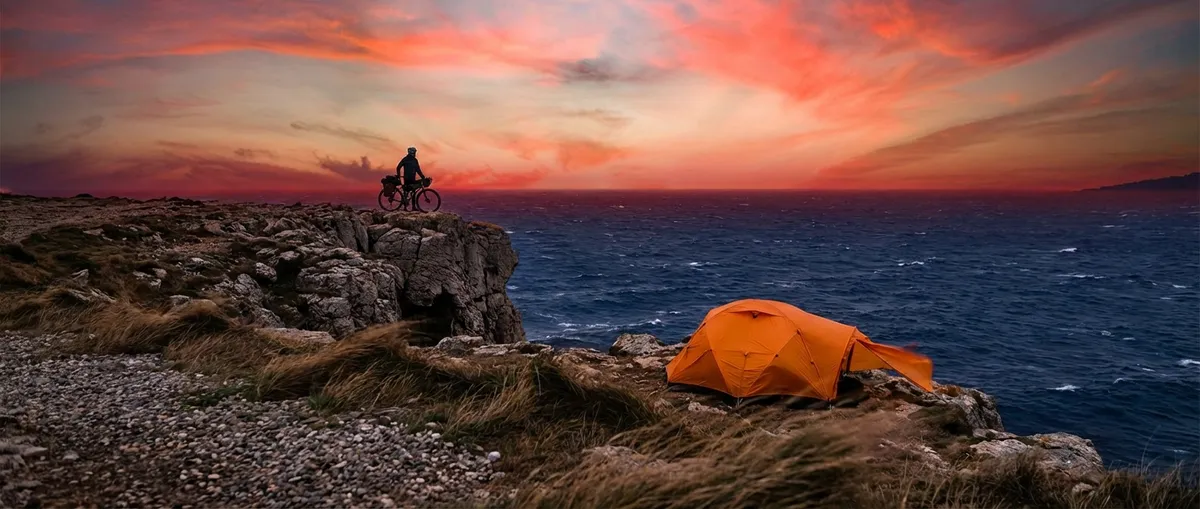
This is your invitation to lean into the unknown, to collect stories that outlast souvenirs, and to let the world rearrange what you think is possible. Here are five adventure sparks—part vision, part blueprint—to ignite your next escape.
1. Follow the Stars Instead of a Schedule
Imagine hiking after sunset, the trail lit only by your headlamp and a sky freckled with stars. Your watch stops mattering. Your phone is just a flashlight. For a few hours, you’re guided not by notifications, but by constellations that travelers have used for centuries.
Night adventures—moonlit hikes, stargazing desert camps, bioluminescent bays—shift the way you perceive familiar landscapes. A forest becomes an echoing cathedral. A coastline turns into a black mirror where the sky and sea blur together.
To do this safely, start simple: choose a well-marked local trail or coastal path you already know in daylight. Check sunset times, weather, and park regulations. Bring layers, a headlamp with spare batteries, and let someone know where you’re going. Apps from recognized organizations like the International Dark-Sky Association can help you locate low-light-pollution areas where the Milky Way still shimmers in full view.
When you switch off the habit of rushing and tune in to the slow rotation of the stars, you’re no longer just passing through a destination—you’re orbiting with it.
2. Trade Spectator Seats for Front-Row Participation
Instead of watching other people’s highlight reels, build your own by picking trips that ask something of you—your muscles, your courage, your curiosity. Adventure isn’t only about extremes; it’s about participation.
That might look like:
- Kayaking through a mangrove forest instead of just viewing it from a bridge
- Joining a local cycling group in the city you’re visiting
- Climbing a via ferrata route, clipped to steel cables on a cliff face
- Taking a surf lesson and learning how to read waves instead of just photographing them
Physical adventure rewires your relationship with place. A mountain you climb isn’t just scenery—it’s an achievement. The river you paddle becomes a story every time you feel water on your skin.
Check your fitness honestly and choose guided experiences run by certified instructors. Reputable outdoor organizations often publish safety guidelines and suggested preparation. Warm up with local day trips before committing to multi-day treks or expeditions. Your goal isn’t to prove toughness; it’s to stretch your limits just enough that you come home a little bigger inside.
3. Let Local Voices Rewrite Your Itinerary
The boldest adventures often begin with a simple question to a stranger: “Where do you go on your days off?”
Skip the endless scroll of the same “Top 10” attractions and let the people who live there co-author your trip. Ask the barista where they’d take a friend, the taxi driver where the best sunrise spot is, the market vendor which festival is unmissable. Locals can point you toward:
- Unsigned trailheads with stunning viewpoints
- Neighborhood food stalls not yet mapped by trend-hungry apps
- Small community events, from village races to night markets
- Seasonal experiences—like wildflower bloom windows or turtle nesting periods
This kind of adventure is less about ticking off famous landmarks and more about slipping into the daily rhythm of a place. It may lead you down side streets worn smooth by generations, into tiny eateries where the menu changes with the ocean’s mood, or onto buses where you’re the only outsider and everyone else knows exactly when to hop off.
Balance spontaneity with respect: learn basic local phrases, understand cultural norms, and be sensitive about taking photos. When you travel as a curious guest instead of a consumer, doors open and stories appear.
4. Seek Elements That Challenge Your Senses
Some of the most powerful adventures begin with a single element—wind, water, rock, or ice—and an openness to feel it fully.
Picture this:
- Wind carving sand dunes around your ankles as you trek across a desert at dawn
- Glacial air filling your lungs as you step onto blue ice for the first time
- Warm salt water lifting you as you snorkel above a kaleidoscope reef
- Volcanic soil crumbling gently under your boots as you hike along a crater rim
When you choose trips that highlight a particular environment, you’re not just traveling somewhere new—you’re learning a new language of textures, temperatures, and sounds. The crash of waves against a sea cliff. The hush of snow under skis. The crunch of ancient lava rock.
Preparation matters here. Research the environments you’re entering: altitude risks in the mountains, sun exposure in deserts, current strength in coastal waters. Book with guides trained in those specific conditions when you’re pushing into unfamiliar territory. The point is not to conquer nature, but to collaborate with it—moving thoughtfully through landscapes shaped over millennia.
Let each element remind you that you’re not separate from the world; you’re made of the same forces.
5. Turn a Single Day Into a Mini Expedition
You don’t need months off or a plane ticket to live more adventurously. You need intention—and a day you’re willing to treat like an expedition.
Design a “24-Hour Quest” wherever you are:
- Start before sunrise and end after dark
- Set a theme—waterfalls, rooftop views, historic sites, urban nature, or local street food
- Use only your feet, a bike, or public transport to connect the dots
- Pack a small “expedition kit”: water, snacks, a paper map or downloaded offline maps, a notebook, and a lightweight layer
Give the day a name—“The Ring of Bridges,” “City Peaks Circuit,” “Three Coastlines in a Day.” Track your route, sketch a few scenes, note the conversations you have. The goal is not to maximize distance, but depth: how fully can you inhabit this single, fleeting rotation of the planet?
By treating even familiar places as worthy of an expedition mindset, you train yourself to find adventure in the every day. Then, when bigger journeys call—a crossing, a summit, a long road—your curiosity and resilience are already sharpened.
Conclusion
Adventure isn’t defined by altitude, distance, or price. It’s defined by how honestly you show up to the unknown.
Follow the stars instead of the clock. Step into the story instead of watching from the sidelines. Let locals redraw your map. Chase landscapes that wake up your senses. And don’t wait for a perfect time—turn the days you have into quests that feel too vivid to scroll past.
The world is wider than your routine, wilder than your fears, and closer than you think. The next move is yours. Where will you push past comfort and hop next?
Sources
- National Park Service – Night Skies - Guidance on stargazing, dark-sky locations, and night-sky preservation
- International Dark-Sky Association - Directory of certified Dark Sky Places around the world
- American Hiking Society – Hiking Safety - Practical advice for planning safe hikes, including night and backcountry trips
- REI Co-op Expert Advice - In-depth tutorials on outdoor skills such as kayaking, climbing, camping, and cold-weather travel
- Leave No Trace Center for Outdoor Ethics - The widely recognized principles for responsible, low-impact adventure travel