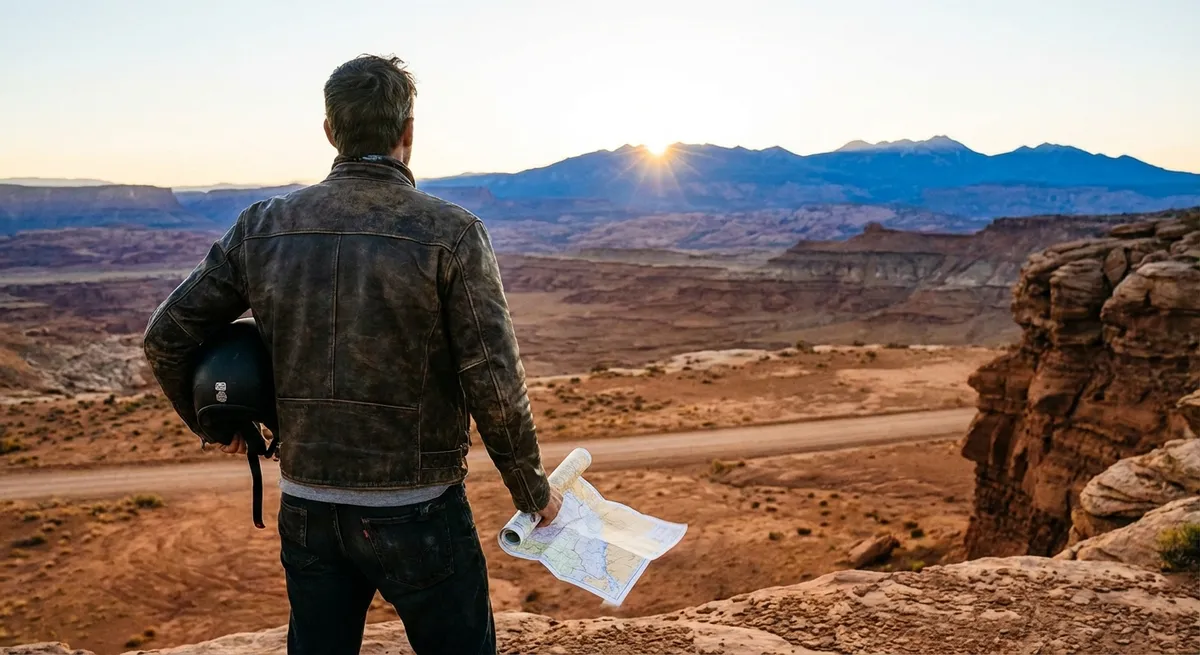
Below are five adventure moves that travelers consistently describe as unforgettable. Each one blends adrenaline with meaning, wonder with practical know‑how, so you can turn curiosity into action instead of “maybe someday.”
Ride the Edge of the Day: Chasing Sunrises in Wild Places
There’s a certain kind of magic that only exists before most people wake up. The air holds its breath, the sky tests its colors, and the world feels like it’s been reserved just for you. Chasing sunrise in wild places—on ridgelines, coastlines, desert dunes, or icy lakes—turns an ordinary trip into a memory that glows for years.
Think of hiking up a dark pine trail by headlamp, hearing nothing but your footsteps and the hush of trees. You reach the overlook just as the horizon starts to smolder orange, then pink, then gold. Cities become glittering toy sets. Oceans catch fire. Sand dunes sculpt shifting shadows. You’re not just watching a sunrise—you’re watching a new version of yourself step into the day.
Practical tips: Scout your sunrise spot the day before so you’re not guessing in the dark. Bring layered clothing; pre-dawn temps can drop fast, especially at altitude or near water. Pack a thermos of something hot and a small tarp or sit pad so the rocks or sand don’t chill you. Choose well-known trails or viewpoints for early starts, and let someone know your plan if you’re going solo. A simple headlamp or phone light, an offline map, and a fully charged battery turn “risky” into “responsibly bold.”
Follow the Water’s Roar: River Adventures That Reset Your Nerves
Fast water has a way of silencing mental noise. The roar of a rapid, the cool spray on your face, the sudden teamwork required to keep a raft upright—all of it grabs your full attention and leaves no room for inboxes or to‑do lists. Whether you’re drifting through canyons on a gentle float or punching through whitewater with a guide, river adventures rewire your sense of scale and presence.
Picture yourself launching into a deep canyon: walls rising like cathedrals, oars dipping in rhythm, birds tracing invisible paths above. Calm stretches invite conversation and reflection; then the guide calls out, “Hold on!” and the boat surges into chaos—your stomach drops, adrenaline spikes, and you burst out the other side laughing harder than you have in months. At camp, the river’s steady rush lulls you to sleep under a vault of stars.
Practical tips: Start with guided trips if you’re new to rafting or kayaking; reputable outfitters provide safety briefings, gear, and routes matched to your comfort level. Choose difficulty ratings (Class I–V) honestly—bravado is not a safety strategy. Bring synthetic layers that dry quickly, a strap for your sunglasses, and closed-toe water shoes. Respect river conditions: snowmelt, rain, and dam releases can transform a gentle float into a dangerous run; always follow local guidance and your guide’s instructions.
Sleep Where the Sky Has No Ceiling: Wild Nights Under the Stars
There’s a specific thrill that comes from zipping your tent closed in a place where the nearest streetlight is miles away. The darkness is real, the silence is layered with subtle sounds, and the sky becomes a living map of constellations. Spending a night under a star‑heavy sky—whether in a national park, a dark‑sky reserve, or a remote coastline—shifts your relationship with time, space, and your own thoughts.
Imagine lying back on a cold rock, your sleeping bag wrapped tight, while the Milky Way stretches like a river overhead. Satellites drift quietly across your field of vision; a meteor flashes and disappears. In that moment, your worries feel both small and manageable—dwarfed by the scale above, yet meaningful precisely because your time here is limited. Sunrise in a place like this doesn’t just bring light; it brings perspective.
Practical tips: Use official campsites or areas where wild camping is legal and ethical; always follow local regulations and Leave No Trace principles. Check light‑pollution maps and dark‑sky park listings to find the clearest views. A basic star app (downloaded for offline use) turns random dots into stories. Pack a warm hat, extra socks, and a sleeping pad with good insulation—ground chill can catch beginners off guard. Store food properly to avoid wildlife encounters, and keep your headlamp on a red-light setting to protect your night vision.
Step Into Someone Else’s Normal: Immersive Local Adventures
Some of the most powerful adventures aren’t dramatic on the surface. They’re quiet, human, and grounded in the everyday life of the places you visit. Joining a morning market run with a local, learning to cook a regional dish in someone’s home, tagging along on a small fishing boat at dawn, or attending a neighborhood festival can flip your assumptions and give your trip a heartbeat.
Picture navigating narrow alleyways behind a grandmother who knows every vendor by name. She points out the freshest herbs, your nose catches roasting spices, and you stumble through a few words in her language as she laughs and corrects you. Later, you’re kneading dough at her kitchen table, trading stories through gestures, phone photos, and the few phrases you share. That evening, the dish you eat isn’t just delicious—it’s a bridge.
Practical tips: Look for small, locally owned experiences rather than mass “cultural shows.” Community-based tourism groups, local guides, or homestay networks often host immersive activities that benefit residents directly. Learn a few key phrases and basic etiquette before you arrive; respect dress codes at religious or community events. Always ask permission before taking close-up photos of people. Tip fairly, pay full price unless bargaining is clearly part of the culture, and be curious without being intrusive.
Let Your Feet Draw the Map: Long Walks That Bend Time
There’s a certain kind of adventure that only appears at human walking speed. City neighborhoods reveal hidden murals and corner cafés you’d never spot from a taxi. Rural paths thread past farmhouses, shrines, streams, and viewpoints untouched by bus tours. Committing to long walks—whether urban explorations, multi-day treks, or pilgrim routes—teaches you that distance isn’t just measured in miles but in conversations, blisters, and small revelations.
Imagine following an old route between villages, your backpack light but purposeful. Morning fog lifts to reveal terraced fields or hilltop spires. You greet other walkers with a shared nod of effort. By afternoon, your legs ache in ways that feel honest; by evening, the simple act of taking off your boots feels like a celebration. Days are no longer governed by screens, but by sun, weather, and your own pace.
Practical tips: Start smaller than you think you “should”—a half-day city walk or a two-day trail is enough to feel the rhythm. Invest in good footwear and break it in before you go. Pack light but smart: blister care, a refillable water bottle, sun protection, and layers. Use established routes when possible for easier navigation, lodging, and safety. Listen to your body; rest days aren’t failure, they’re how you turn a slog into a sustainable journey.
Conclusion
Adventure isn’t a personality trait reserved for the fearless—it’s a series of small, deliberate choices to step toward the unknown. You don’t have to summit the world’s tallest peaks or cross continents to feel your life expand. Chase one sunrise. Say yes to one river. Sleep under one unfiltered sky. Share one meal that doesn’t speak your language. Walk one road longer than feels necessary.
Each of these moves plants a flag in your memory and whispers, “You’re capable of more than you thought.” From there, the horizon stops being a line in the distance and starts becoming an invitation.
When you’re ready, the world is already waiting. All you have to do is hop next.
Sources
- National Park Service – Safety & Trip Planning - Guidance on planning safe outdoor adventures, including hiking, camping, and river activities
- International Dark-Sky Association – Find a Dark Sky Place - Directory of dark-sky parks and reserves ideal for stargazing and overnight adventures
- American Hiking Society – Hiking Resources - Practical advice on gear, preparation, Leave No Trace, and long-distance walking
- American Red Cross – Water Safety - Key safety principles for river, lake, and other water-based adventures
- UN World Tourism Organization – Tourism and Local Communities - Background on responsible, community-based tourism and engaging with local cultures respectfully