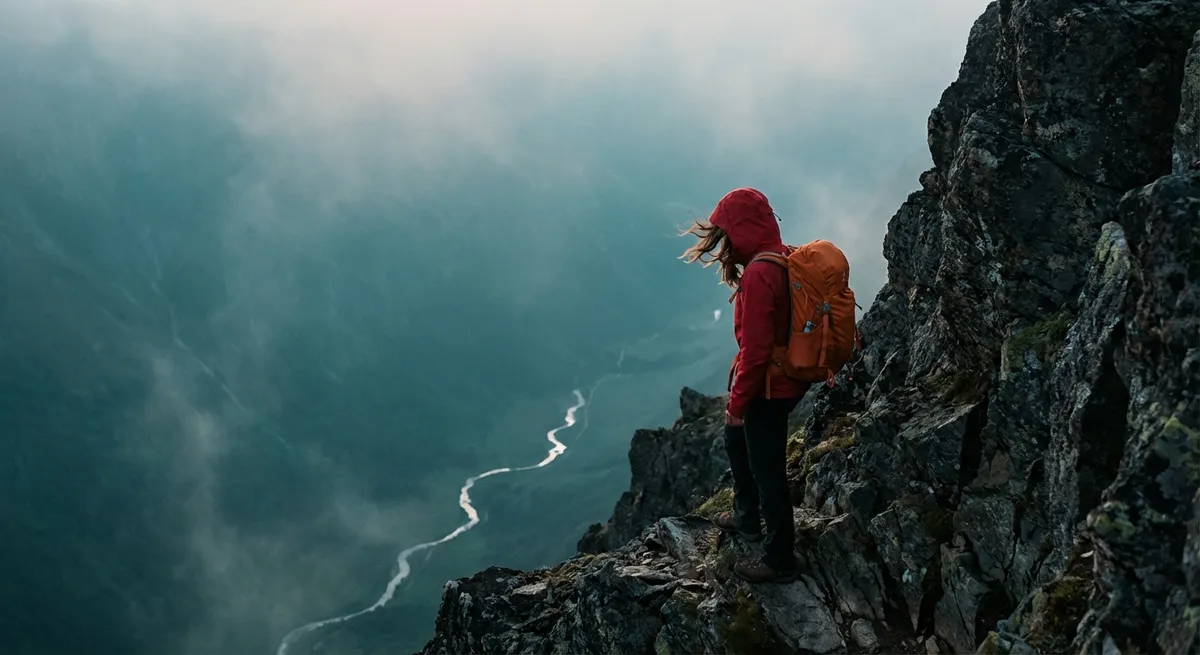
Below are five adventure ideas that don’t just impress your followers; they transform the way you move through the world.
1. Follow a Sunrise to a Summit
There’s something almost electric about climbing in the dark, guided only by headlamps and starlight, knowing the sun is racing you to the horizon. Sunrise hikes or treks feel like a secret pact between you and the landscape—you arrive before the crowds, before the heat, before the world fully wakes. The stillness sharpens everything: the crunch of gravel, the rhythm of your breath, the slow glow of the sky turning from ink to fire.
Choose a peak or viewpoint that matches your fitness: a coastal cliff path, a modest volcano, or a mountain lookout near a national park. Check local safety guidelines, weather conditions, and trail maps from park authorities or tourism boards, and always tell someone your route and return time. Pack layers, a simple breakfast, a headlamp, and plenty of water. The reward isn’t just the view; it’s the deep, quiet pride that comes from realizing you climbed into your own dawn. You don’t watch the day start—you help create it.
2. Learn a Wild Skill in a Wild Place
Some adventures don’t end when the trip is over—they become part of who you are. Taking a course or workshop in a dramatic setting transforms travel from “I went there” into “I became this.” Imagine learning outdoor survival skills in a forest, rock climbing on real crags instead of a gym wall, or taking a mountaineering or avalanche safety course in alpine terrain. These kinds of experiences give you both adrenaline and long-term confidence.
Look for certified guides and accredited schools: mountaineering institutes, diving organizations, or wilderness schools often list course standards and safety practices on their websites. Ask about group size, instructor qualifications, and emergency plans. Beyond the technical skills, notice how you change: the first time you tie a knot without second-guessing, read a weather front rolling in, or navigate back to camp on your own, the world shrinks from intimidating to intriguing. You come home with new stories—and the competence to chase even bigger ones.
3. Ride the Rhythm of a Journey, Not Just the Destination
Fast travel is efficient; slow travel is transformative. Boarding an overnight train, a multi-day river boat, or a long-distance bus across borders pulls you into the gentle chaos between “here” and “there.” It gives you time to watch landscapes shape-shift: cities dissolving into farmland, mountains flattening into desert, coastlines clinging to the edge of the map. The journey becomes a moving theater of small details—conversations in shared compartments, snacks from station platforms, sunrise over tracks that seem to run forever.
Research scenic routes or long-distance lines from reputable rail or transport companies—many publish safety tips, timetables, and route highlights online. Pack light but smart: earplugs, a scarf or light blanket, snacks, and a power bank go a long way. Treat the journey as its own adventure: journal from your window seat, learn a few phrases in the local language, share food with fellow passengers. You learn to surrender a bit of control and trust the motion, and that mindset follows you long after you step off at your stop.
4. Step into Elemental Worlds: Water, Wind, and Ice
Some of the most powerful adventures happen when you let nature dominate the script. Think of slipping into a cold mountain lake, paddling along sea cliffs, learning to surf, snowshoeing through winter silence, or kayaking into a glowing sunset. Each environment—water, snow, high winds, or ice—asks you to adapt, to respect its rules, and to move with rather than against it. That’s where both humility and exhilaration live.
Before diving in (literally or figuratively), check local safety advisories, weather forecasts, and recommended gear. Beginners should seek licensed guides, outfitters, or schools—especially for activities like surfing, kayaking in strong currents, glacier walks, or canyoning. Start with half-day introductions if you’re unsure. You’ll discover that your fears often melt with your first paddle stroke or your first slide across fresh snow. What felt extreme from your couch often becomes “I can’t believe I almost skipped this” once you’re in motion.
5. Get Lost on Purpose (But Plan Like a Pro)
Some of the most memorable adventures come from wandering without a rigid script: taking the side street that smells like fresh bread, hopping off a bus at a random stop, or veering off the popular loop to explore a lesser-known trail. Getting “lost on purpose” isn’t about being reckless—it’s about creating space for chance encounters, unscripted views, and stories you never could have planned.
Anchor your spontaneity with smart preparation. Download offline maps, learn basic emergency numbers and phrases, and note your accommodation address and a central landmark. Set a personal safety boundary—like always being back in a familiar area before dark or checking in with a friend or family member at a set time. From there, let curiosity lead: follow street music, eat where the line of locals forms, step into a neighborhood market or small-town festival. The more you practice this kind of controlled wandering, the more you realize how many doors open when you trade tight itineraries for mindful exploration.
Conclusion
Adventure isn’t a personality type—it’s a choice you make, again and again, to step toward the unknown even when your comfort zone tugs you back. Sunrise summits, wild skills, long journeys, elemental experiences, and intentional detours all share the same heartbeat: they ask you to show up fully, with your senses on high alert and your courage just a little ahead of your fear.
You don’t have to wait for the “perfect time” or the “perfect trip.” Start with one bold decision—a class, a trail, a ticket, a sunrise. Let that first step rewrite the way you see distance, risk, and possibility. The world is wider than your routine is telling you. Go find the edges—and then keep going.
Sources
- U.S. National Park Service – Hiking Basics - Practical safety tips and preparation guidance for day hikes and longer treks
- American Alpine Institute – Mountaineering & Climbing Courses - Example of accredited outdoor skill programs and what structured instruction can look like
- International Air Transport Association (IATA) – Traveler Safety Resources - General travel safety, preparation, and health information for international journeys
- CDC – Healthy Travel: Destinations - Official guidance on health, vaccines, and safety considerations by destination
- Adventure Travel Trade Association – Adventure Travel Trends - Research and reports on how and why travelers engage in adventure experiences