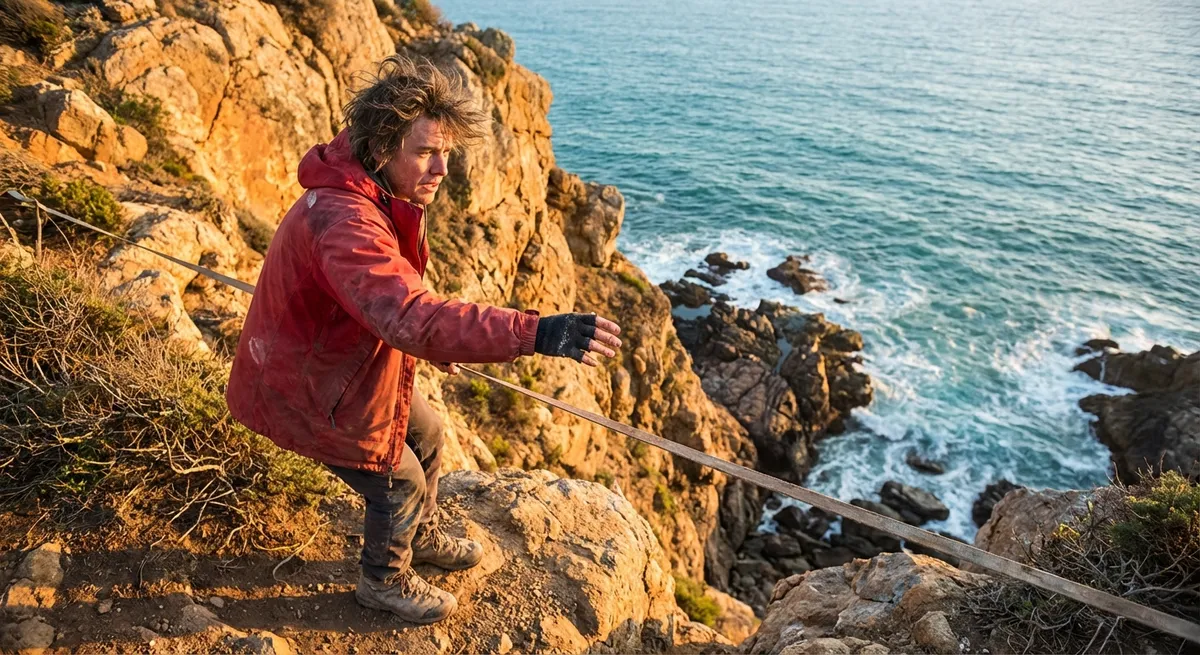
This is your invitation to stop scrolling travel inspiration and start living it. Below are five kinds of adventures that don’t just fill your camera roll—they recalibrate what you believe you’re capable of.
1. Follow the Sunrise: Start Days Where the World Feels Brand New
There’s a kind of quiet power in waking up before the world and walking straight into its first light. Watching the sunrise from a mountain ridge, a deserted beach, a rooftop in a foreign city, or the deck of an overnight train isn’t just scenic—it’s a reset button for your brain.
Plan at least one morning on your trip where sunrise is the main event, not an afterthought. Pack your bag the night before, set an alarm that demands you move, and scout a viewpoint in advance: a lighthouse trail, a temple overlooking a valley, a clifftop path, or even a city bridge where commuters haven’t taken over yet. Bring a small breakfast, a warm layer, and leave your phone in your pocket for the first ten minutes.
The magic happens in the details: the chill on your skin before the sun crests the horizon, the world holding its breath as colors shift from blue to pink to gold, rooftops or treetops catching the first light. You’re not just watching a sunrise—you’re arriving at your day with intention. Once you’ve watched a city wake up from above or the ocean slowly catch fire with color, it’s hard to go back to sleepwalking through your routine life.
2. Learn a Local Skill: Turn a Destination Into Your Classroom
Every place you visit is fluent in something you’re not—spices, music, weaving, climbing, sailing, language, survival. When you travel just to see, you collect views. When you travel to learn, you collect new versions of yourself.
Instead of just eating that legendary street dish, ask if there’s a cooking class with a local home cook or market vendor. In a coastal town, sign up for a beginner surf session or a sailing lesson, even if you’ve never stood on a board or handled a rope. In mountain regions, try a day of outdoor skills—navigation, avalanche awareness, or trail-building with local volunteers. Bazaars, craft villages, and cultural centers often offer short workshops: pottery, dyeing, drumming, dance, or traditional craft.
This isn’t about becoming an expert; it’s about stepping into someone else’s world for a moment. You’ll walk away with more than a souvenir: muscle memory, a few new words, a story about the time you burned the curry or finally stood up on a wave. And you’ll see how much richer travel becomes when you stop being only an observer and start being an eager beginner.
3. Say Yes to One Unscripted Detour
It’s easy to treat your itinerary like a contract: every hour planned, every sight checked off. But some of the best stories begin with “We weren’t planning to…” Adventure loves a crack in the schedule.
On your next trip, build in at least one “wildcard window”—a half day or even a few hours with no agenda except to follow your curiosity. That might mean hopping off the tram two stops early because a side street looks intriguing, taking a bus to the end of the line just to see where locals live, or following hand-painted signs to a small-town festival you didn’t know existed.
Safety matters: trust your instincts, stay aware of your surroundings, and keep someone updated on your general location. But within those boundaries, let yourself be tugged by sound, color, and smell—a market you hear before you see it, music floating from a courtyard, or the smell of bread from a hidden bakery. These unscripted moments often bring you face-to-face with people, not just places: the shop owner who shares tea, the family who explains a tradition, the kids who want to test their English and your patience with tongue twisters.
It’s in these off-script hours that a destination stops acting like a set piece and starts feeling like a living, unpredictable story you’re part of.
4. Trade Spectator Thrills for Participating in the Elements
You don’t have to fling yourself out of a plane to feel alive—though if skydiving calls you, answer it. The real shift happens when you stop watching wild landscapes and start meeting them on their own terms.
If you’re near water, trade the viewpoint café for a kayak, a stand-up paddleboard, or an evening swim in a safe, lifeguarded area. Near mountains or canyons, look for beginner-friendly hikes, via ferrata routes, or guided climbing days rated for newcomers. In snowy destinations, try snowshoeing, cross-country skiing, or ice-skating instead of only admiring the frozen views from inside.
You don’t need peak fitness to start—what you need is respect for your limits and the environment. Research basic safety, go with reputable guides, check weather conditions, and gear up appropriately. The payoff is the moment your lungs burn on a climb, your paddle slices perfectly through glassy water, or your feet cut a satisfying rhythm across ice. You’re no longer just taking photos of the elements; you’re in a conversation with them—and that changes how you see both nature and yourself.
5. Build a Mini “Challenge Within the Trip”
Transform your journey from a collection of days into a personal quest by designing a small challenge that runs through your entire trip. It’s a simple frame, but it turns every new place into a chapter of a bigger story.
Your challenge could be sensory: try one new fruit every day, hunt for the best local coffee in each town, or track down street art in every neighborhood. It can be creative: sketch one scene daily, capture a single one-minute video clip that sums up the day, or write a three-line travel haiku each night before bed. Or make it social: initiate one conversation a day with someone who lives there—your barista, a museum guide, a market seller, a fellow hiker.
Make the challenge realistic enough that you can stick with it, but bold enough that it nudges you over your social or creative edge. By the time you head home, you won’t just have scattered memories. You’ll have a thread that runs through your entire adventure, proof you showed up again and again with intention, curiosity, and courage.
Conclusion
Adventure isn’t measured in passport stamps, price tags, or how far from home you go. It’s measured in how far you’re willing to stretch—your habits, your fears, your assumptions about what kind of person you are.
Wake up for that sunrise. Sign up for the class. Say yes to the side street. Step into the elements instead of staying behind the glass. Give your trip a challenge that keeps you engaged and awake.
The world is not waiting for you to be braver, richer, fitter, or more “ready.” It’s already out there, breathing, glowing, unpredictable—waiting for one clear decision from you: to hop from thinking about next into actually living it.
Sources
- National Park Service: Safety & Trip Planning - Practical guidance on staying safe and prepared for outdoor adventures
- U.S. Department of State – Traveler’s Checklist - Essential planning and safety considerations for international travel
- REI Co-op Expert Advice: How to Start Hiking - Beginner-friendly tips for getting into hiking and nature-based activities
- American Red Cross: Travel Safety Tips - Key recommendations to stay safe while exploring new places
- World Tourism Organization (UNWTO): Tourism and Culture Synergies - Insights into connecting with local culture and experiences while traveling