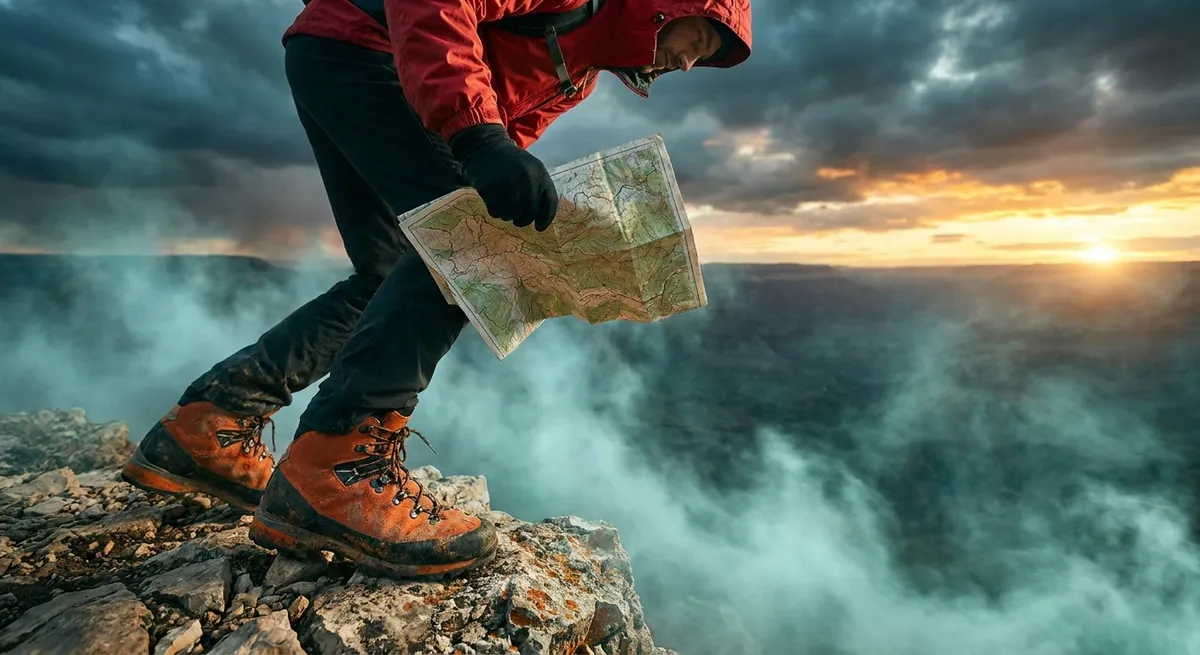
Below are five adventure ideas designed to wake up your wild side—each one a mix of vivid experience and practical, get-out-there advice.
Ride the Spine of the Earth: Mountain Trails Above the Clouds
High trails have a way of shrinking your problems and stretching your courage. Whether you’re hiking the rugged ridges of Patagonia, trekking through Nepal’s Annapurna region, or tackling a beginner-friendly route in the Rockies, mountain paths invite you into a world where the sky feels within reach and every step earns you a new horizon.
Mountain adventures don’t have to be extreme to be profound. Start by choosing an elevation and distance that matches your current fitness, then train with regular walks, stairs, and light strength work. Respect the altitude—ascend gradually, hydrate often, and listen to your body for signs of altitude sickness. Layer your clothing: moisture-wicking base, insulating midlayer, and a waterproof shell are your holy trinity. Mornings in the mountains often bring stillness and soft light; aim to hit viewpoints at sunrise or just before sunset for the most dramatic panoramas. And when you reach a pass or summit, pause. Put the camera down for a minute. Feel the wind, the thin air, the realization that your own two feet carried you somewhere your everyday self never sees.
Follow the Water’s Pulse: Rivers, Coasts, and Hidden Coves
Water is adventure’s most versatile playground. Drift down a quiet river in a kayak as kingfishers flash past. Paddle along a fjord beneath cliffs that drop straight into the sea. Slip into a coastal cove at dawn, when the world is a soft blur of mist and light. River and coastal adventures let you move at the planet’s tempo—sometimes slow and meditative, sometimes fast and wild.
To make the most of water-based trips, start by matching the activity to your comfort level. Calm lakes and slow rivers are ideal for beginners, while whitewater or ocean kayaking demands more skill and guided support. Always check local conditions—tides, currents, weather reports—before heading out, and wear a properly fitted life jacket no matter how confident a swimmer you are. Dry bags are your best friend for phones, snacks, and a change of clothes. For a deeper connection, join a guided eco-tour that explains the river’s role in the local ecosystem or the cultural history of the coastline. As you glide along, let the rhythm of your paddle become a kind of moving meditation—every stroke a reminder that you’re traveling by your own power.
Sleep Where the World Still Whispers: Remote Nights Under the Stars
Some of the most unforgettable adventures begin after dark. In remote places where city lights vanish, the night sky explodes into view—constellations bright enough to navigate by, the Milky Way spilling across the heavens like a silent river of light. Camping in wild or semi-wild places, whether it’s a national park backcountry site, a desert plateau, or a windswept coastal bluff, lets you trade walls and ceiling lights for fresh air and cosmic perspective.
If you’re new to this kind of night, start with designated campgrounds or guided overnight treks, where safety and logistics are simpler. Invest in a good sleeping pad and appropriate sleeping bag; being warm and off the cold ground changes everything. Learn basic “leave no trace” principles: pack out everything you pack in, minimize campfire impact, and respect wildlife by storing food correctly. Download a stargazing app before you lose cell service so you can identify constellations and planets. Set an alarm for the middle of the night; step out of your tent, switch off your headlamp, and let your eyes adjust. It’s in these quiet, starlit moments that many travelers realize how rarely they allow themselves to be still—and how powerful it feels when they do.
Move With the Land: Human-Powered Journeys That Redefine Distance
There’s a special magic in crossing landscapes by the strength of your own body. Long-distance cycling routes, multi-day hikes, hut-to-hut treks, or even pilgrim paths like Spain’s Camino de Santiago turn distance into a story you can feel in your muscles and memories. You begin to understand how a ridge connects to a valley, how the wind shifts at different times of day, how a simple meal feels like a feast after hours of movement.
You don’t have to be an elite athlete to experience this. Begin with a weekend bikepacking loop or a two-day walk between small towns. Choose routes with established infrastructure—marked paths, huts, or frequent villages—so you can focus on the journey instead of survival logistics. Pack intentionally: every extra kilogram will remind you of itself after a few hours. Break your day into segments—morning, midday, afternoon—setting modest goals like “reach that bridge by lunch.” Be ready for the mental dip that often hits halfway through the day; this is where a snack, a short rest, or a change of playlist can work wonders. Over time, you’ll notice something shift: your sense of what “far” means will expand, and with it, your sense of what you’re capable of.
Answer the Call of the Unfamiliar: Skill-Based Adventures That Transform You
Some of the richest adventures aren’t about where you go, but what you dare to learn once you’re there. Imagine signing up for a rock-climbing course on volcanic cliffs, a cold-water surf lesson, or a wilderness navigation workshop that teaches you to read the land like a map. Skill-based adventures transform you from spectator to participant. Instead of just viewing landscapes, you interact with them—clinging to rock, carving through waves, or plotting your next move with compass in hand.
To dive in safely, choose accredited guides or schools with solid reviews and clear safety protocols. Start at beginner level even if you’re fit; technique matters more than brute strength in most outdoor sports. Listen closely to safety briefings and don’t be shy about asking questions—it’s not a test of toughness, it’s an investment in your own longevity as an adventurer. Expect to feel awkward at first; progress often comes in uneven bursts. Celebrate small wins: standing up on the board for one second longer, cleaning your first climbing route, or nailing a navigation challenge without GPS. These skills don’t stay on the trip; they travel home with you, subtly rewiring how you see risk, patience, and persistence.
Conclusion
Adventure doesn’t always look like a postcard. It’s the early alarm before sunrise, the frayed shoelaces on a mountain pass, the nervous laugh before you push your kayak into cold water, the quiet awe beneath a sky so full of stars it feels like it might spill. It’s choosing the path that asks something of you—and discovering you have more to give than you thought.
Pick one thread from these ideas and pull. Book the guided hike, reserve the kayak, plan the overnight, or sign up for that course that scares you just enough. The world is wider than your routine, and it’s waiting—not for a future version of you, but for the one who’s reading this right now, ready to chase the edge of the map.
Sources
- [U.S. National Park Service – Hiking Safety](https://www.nps.gov/subjects/trails/hiking-safety.htm) – Guidance on safe hiking practices, gear, and preparation for trail adventures
- [Centers for Disease Control and Prevention – Travel to High Altitudes](https://wwwnc.cdc.gov/travel/page/travel-to-high-altitudes) – Medical advice on acclimatization, altitude sickness, and staying healthy in mountain environments
- [American Canoe Association – Paddlesports Safety](https://americancanoe.org/safety-education/learn-safety/) – Best practices for kayaking and canoeing safety, including life jacket use and water awareness
- [Leave No Trace Center for Outdoor Ethics](https://lnt.org/why/7-principles/) – The seven principles for minimizing impact while camping and exploring natural areas
- [Camino de Santiago – Official Tourism Site](https://www.caminodesantiago.gal/en) – Information on long-distance walking routes, infrastructure, and cultural context for human-powered journeys