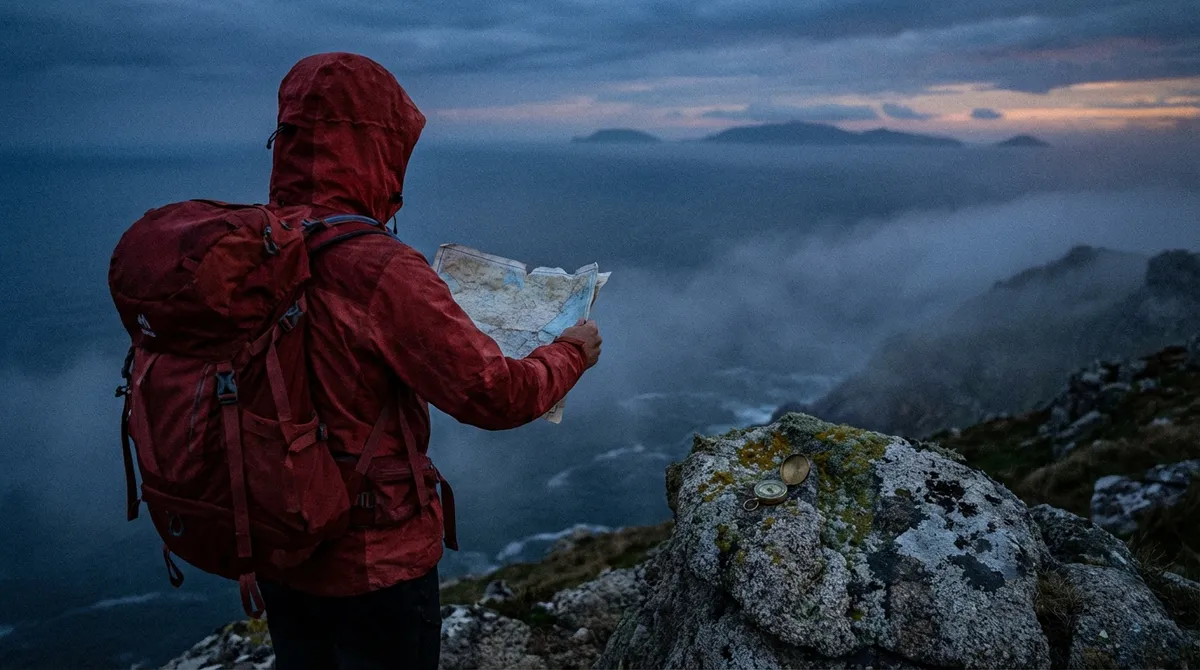
This is your invitation to travel like you mean it—to seek out the kind of moments that stay lodged under your skin and quietly reshape your life long after your flight touches down. Below are five adventure “triggers”—specific kinds of experiences—that travelers around the world chase for good reason. Each one is both a rush and a teacher, a memory and a map.
Follow the First Light: Sunrises That Reset Your Direction
There’s a reason so many great stories begin at dawn. Standing somewhere unfamiliar as the sky shifts from deep blue to molten gold does something rare: it gives you a clean slate while the world is still half asleep.
Imagine hiking in the dark along a coastal trail, the air cool and salty, your headlamp bouncing off damp stones. At the overlook, you kill the light and the ocean becomes a distant roar below. Then, almost imperceptibly, the horizon thins into a sharp line of silver. A band of pink appears, then orange, then a full blaze—pulling color out of the landscape and courage out of you. That’s not just a sunrise; that’s a full-system reboot.
To catch moments like this, plan at least one sunrise on every trip. Ask locals for the best vantage points—clifftop temples, desert dunes, city rooftops, lakeside piers. Pack warm layers, a thermos of something hot, and arrive earlier than comfort suggests. Use the quiet to set an intention for the day: what you want to notice, who you want to be. By the time the sun clears the horizon, you’re not just watching a scene; you’re entering one.
Let the Weather Win: Wild Moments You Can’t Control
The safest trips are the ones we remember least. The adventures that stay with you are often born from the sky deciding to do its own thing. A storm rolling across an alpine ridge, a sandstorm blurring a desert horizon, a tropical downpour suddenly emptying the streets—these aren’t inconveniences; they’re invitations.
Picture being caught in a monsoon rain in Southeast Asia, plastic ponchos flapping, locals laughing as they take shelter under corrugated roofs. Or watching lightning spider across a distant plateau from the safety of a mountain hut. In those moments, you’re reminded that the planet is vast and alive, and you are gloriously small.
The key is to lean into it safely. Check local weather advisories, understand seasonal patterns, and know the difference between “dramatic” and “dangerous.” When it’s safe to stay out, do it: dance in a warm rain, share a communal shelter, photograph reflections in flooded streets. When the smart move is to head in, find a café window or hostel common room that lets you watch the show. Either way, let go of control. Adventures deepen when the sky writes a chapter you didn’t outline.
Follow the Sound: Adventures That Start with a Local Rhythm
Some of the best detours don’t begin with a map—they begin with a sound. Drums echoing down an alley, a street musician pulling a crowd into a spontaneous chorus, an unfamiliar instrument drifting from an open courtyard. When you follow the music, you often step straight into the beating heart of a place.
Imagine wandering through a city at dusk and hearing handclaps and guitar from a side street. You turn the corner and find a local festival, lanterns strung across the road, families sharing food from plastic tables, dancers pulling strangers into their circle. Or stumbling across a traditional market where a busker’s voice quiets the whole square, and suddenly tourists and locals stand shoulder to shoulder, grinning at the same notes. In those instances, you’re not watching culture from behind glass; you’re breathing inside it.
To invite this kind of adventure, travel with flexible evenings. Ask hosts, baristas, or taxi drivers where live music happens “for locals, not just visitors.” Look for community boards and small posters near universities or neighborhood cafés. Be willing to walk toward a sound and away from your original plan. Bring small cash for tips or entry, and always respect boundaries—observe first, then join if invited. The soundtrack of your trip is often written between the guidebook’s lines.
Trade Views for Vertigo: Height That Shifts Your Perspective
There’s something about being very high up—or very far below—that snaps your old life into a smaller frame. You don’t need to be a mountaineer or a deep-sea diver to feel it; you just need to step into an experience that makes your pulse spike and your usual worries shrink.
Think of inching across a suspension bridge swaying over a rainforest gorge, every board creaking, the canopy level with your eyes. Or standing on a glass platform on a skyscraper’s observation deck, city lights spreading to the horizon like a constellation. Maybe it’s descending into a lava tube cave with only your flashlight, the world above you muffled and forgotten. These are the moments when you discover what you do with fear: freeze, flee, or breathe through and keep moving.
To chase this kind of rush safely, choose reputable operators for activities like canyoning, zip-lining, via ferrata, or guided cave tours. Check safety certifications, read recent reviews, and follow instructions exactly. Start with a level of challenge just beyond your comfort zone, not miles past it. Pack grip-worthy shoes, layered clothing, and a small first-aid kit. The goal isn’t to impress anyone—it’s to feel that electric jolt of “I didn’t think I could do that… and then I did.”
Learn a Skill, Leave with a Superpower
The souvenirs that last the longest aren’t made of fabric or stone; they’re made of muscle memory. When you travel to learn a skill rooted in the place—cooking a regional dish, paddling a traditional boat, climbing a local route, weaving a pattern that tells a story—you don’t just bring home photos. You bring home a new version of yourself.
Picture joining a half-day workshop in the mountains, where a local guide teaches you how to navigate by stars, read river currents, or brew coffee the way their grandparents did—thick, slow, and shared. Or signing up for a surf lesson and feeling, on your twentieth attempt, the board finally catch the wave as you stand, clumsy and ecstatic. These skills imprint the landscape into your body; every time you cook that dish or tie that knot at home, the adventure resurfaces.
To build this into your travels, research community-run experiences: climbing courses with certified guides, farm stays with hands-on workshops, traditional craft lessons hosted by local cooperatives. Look for programs that emphasize ethical tourism and fair pay. Be transparent about your level: beginner is not a flaw; it’s a door. Take notes or videos (with permission) to practice later. Returning home with a new ability turns your daily life into an echo of your journey—even long after your passport is back in the drawer.
Conclusion
Adventures don’t just happen to “outdoorsy” people or full-time nomads; they happen to anyone willing to meet the world halfway. When you chase first light, let the weather have its way, follow unexpected music, test your edges at height, and leave each place with a new skill, travel stops being an escape and becomes an evolution.
You don’t need the perfect itinerary; you need a curiosity that refuses to stay seated. The next time you pack a bag, pack this question with it: What kind of story do I want to walk back into my life carrying? The edge of your map is closer than you think—and it’s already calling you by name.
Sources
- UN World Tourism Organization (UNWTO) - Overview of sustainable and climate-aware tourism practices that can inform safer weather-related adventures
- U.S. National Park Service – Safety Tips - Practical guidance on hiking and outdoor safety, useful for sunrise hikes and high-elevation experiences
- International Climbing and Mountaineering Federation (UIAA) - Information on safety standards and best practices for climbing, via ferrata, and vertical adventures
- Adventure Travel Trade Association (ATTA) - Research on adventure travel trends, including demand for skills-based and immersive experiences
- Lonely Planet – Responsible Travel - Articles and advice on engaging with local culture and communities in respectful, authentic ways