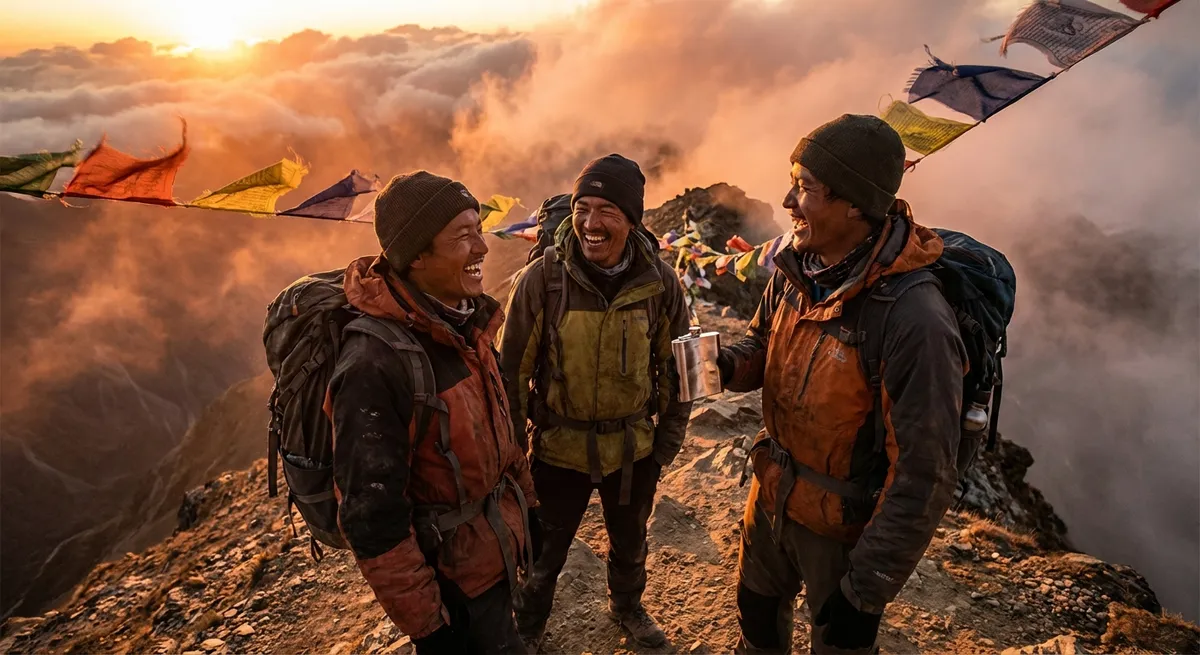
Below are five adventure sparks—each one a doorway into a different kind of wild. Pick one. Or better, pick them all.
1. Follow the Water: From Secret Coves to Glacier Melt
Rivers, oceans, and waterfalls redraw a landscape every second. When you follow water, you’re following motion—and motion is where adventure hides.
Search for coastal trails that drop into hidden coves instead of crowded beaches. In places like Portugal’s Algarve, California’s Big Sur, or Croatia’s Dalmatian coast, look for local sea-kayak rentals or cliffside paths instead of the main viewpoints. Time your hikes with sunrise or late afternoon light for softer colors and fewer people.
In the mountains, chase the source instead of the viewpoint: find where the river begins, where the glacier melts, where the waterfalls crash. Routes in areas like the Canadian Rockies, the Alps, or New Zealand’s South Island often have valley trails that feel mellow but place you in jaw-dropping amphitheaters of ice, rock, and sky.
Practical moves: pack a lightweight microfiber towel, a dry bag for electronics, and sandals that can handle slippery rocks. Download offline maps before you go (water-carved canyons can confuse GPS signals), and always check local tide tables and weather forecasts—water is beautiful, but it doesn’t bargain.
2. Trade Spectating for Participating: Learn a Local Skill
Instead of snapping photos of a culture from the outside, step into it from the inside. The fastest way to do that? Learn something locals are proud of.
Take a freediving intro in a seaside town and feel the quiet of the deep for the first time. Join a traditional cooking class in Vietnam, Mexico, or Italy, not just to taste the food but to understand the rhythm of the kitchen. Book a day with a local climbing guide, surf instructor, or mountain bike coach and let them show you how they read their home terrain.
Choose experiences where you make something or master a small skill: hand-throwing pottery in Morocco, weaving in Peru’s Sacred Valley, or learning basic navigation from Indigenous guides in Australia. Skills become souvenirs that can’t break in your backpack or get confiscated at airport security.
Practical moves: research certified guides or workshops through tourism boards or vetted platforms. Ask about group size (smaller is usually better for immersion), language options, and whether the experience supports local communities fairly. Your best memories will often come from conversations over shared effort and shared meals.
3. Sleep Where the Stars Feel Close Enough to Touch
Adventure doesn’t end when the sun does; it just changes shape. The places where the night sky explodes with stars are usually the same places where silence feels thick and alive.
Look for certified dark-sky reserves, remote national parks, or high-altitude plateaus where light pollution disappears. Whether you camp next to a desert canyon, book a glass-roof cabin in snowy forest, or sleep in a mountain hut accessible only on foot, you’re giving yourself something your daily life rarely offers: uninterrupted stillness.
If camping feels intimidating, start small: a hut-to-hut hiking route in the Alps, a guided overnight trek in Patagonia, or an organized desert camp in Wadi Rum or the Sahara. You’ll still wake up with frost on your boots or sand in your hair and realize you made it through the kind of night your comfort zone usually shields you from.
Practical moves: check seasonal temperatures and altitude before you book—romantic starry nights can become miserable if you’re under-prepared. Bring a headlamp, layers (including a warm hat, even in “summer” mountains), and a backup power bank. Download a stargazing app and switch your phone to red-light mode to protect your night vision.
4. Reclaim Distance: Adventures Measured in Human Steps
We’re used to distance as something we erase with engines: a two-hour flight, a quick train, a rideshare. But walking, cycling, or paddling a route rewires how you experience time and place.
Consider long-distance trails you can tackle in sections: the Camino de Santiago routes in Spain and beyond, Japan’s Kumano Kodo pilgrimage paths, the England Coast Path, or your own country’s historic trails. String together coastal towns by bike, or follow a river by kayak for a few days instead of hopping between cities by bus.
As you move under your own power, places stop being dots on a map and become a continuous story: the café where you bandaged a blister, the bridge where you watched a storm roll in, the quiet village where a stranger handed you a bottle of cold water in the heat.
Practical moves: choose routes with clear waymarking and accommodation options spaced within your comfort distance per day. Train a little before you go—feet, legs, and shoulders will thank you. Travel light: one small backpack with layered clothing, a refillable water bottle, basic blister care, and an offline map app can turn “too far” into “just right.”
5. Let Weather Write the Plot Twist
Most travelers pray for perfect weather. Adventurers learn to use whatever the sky delivers.
A foggy morning in the mountains turns viewpoints into mystery—and photographs into moody, cinematic frames. Rain in a city empties the streets and opens doors: galleries are quieter, cafés more inviting, and locals more talkative when everyone’s ducking the same downpour. Snow turns forests into soundproofed cathedrals, where your footsteps are the only punctuation in the silence.
Instead of cancelling plans when the weather shifts, ask: “How does this change the story?” Swap that beach day for a storm-watching hike along a safe, elevated coastal path. Trade a blazing desert afternoon for a night hike under the Milky Way (with a guide when needed). Let wind and clouds dictate when you climb, when you rest, when you watch the sky do its thing.
Practical moves: build flexibility into your itinerary—don’t schedule everything down to the hour. Pack a lightweight shell jacket, a dry bag, and quick-dry clothing, even in “dry season.” Check local safety advisories; embrace discomfort, but not danger. You’re not trying to conquer nature—you’re trying to collaborate with it.
Conclusion
Adventures rarely announce themselves with bright signs and perfect conditions. They show up as invitations that feel slightly unreasonable: wake up before dawn, say yes to a skill you’ve never tried, sleep outside your comfort zone, walk farther than convenience suggests, and let the weather improvise.
You don’t need a completely different life to feel wildly alive—you need a few different choices. Follow the water. Learn with locals. Sleep under big skies. Move at the speed of your own body. Let the weather throw you curveballs.
The next unforgettable story isn’t on someone else’s feed; it’s waiting on the other side of your next bold “yes.”
Sources
- International Dark-Sky Association – Directory of certified dark-sky parks and reserves around the world
- Camino de Santiago – Official Galicia Tourism – Overview of Camino routes, planning tips, and official information
- UNESCO World Heritage Centre – Official list of culturally and naturally significant sites that can inspire adventure routes
- National Park Service (USA) – Information on U.S. national parks, trails, safety guidelines, and outdoor planning
- New Zealand Department of Conservation – Detailed info on iconic walks, huts, and backcountry safety that can be a model for planning similar adventures elsewhere