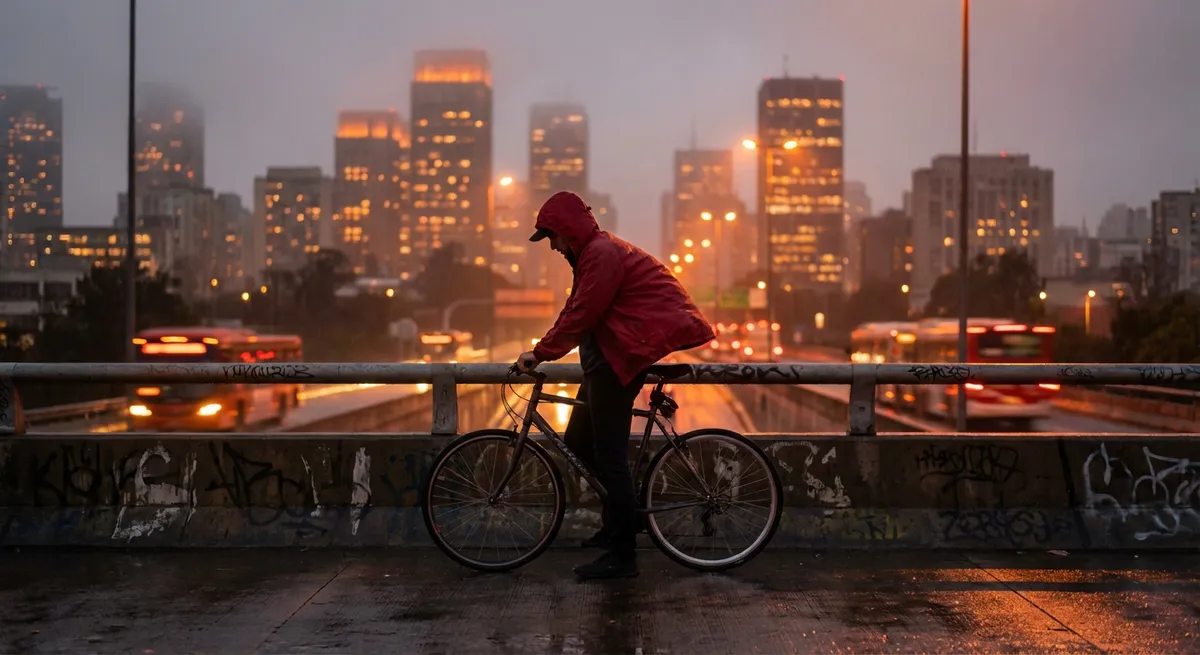
This isn’t about “fitting in” more activities. It’s about flipping the way you move through a place—whether it’s your hometown or a city you’ve only ever seen on a layover map. These ideas are designed to tilt the world just a few degrees off its axis, so that streets you’d normally rush through suddenly feel full of possibility.
Turn Your Commute Into A Moving Expedition
Instead of teleporting from Point A to Point B, pick a route you’d usually rush through and decide to cross it by human power: walking, running, biking, or skating. Your daily bus ride becomes a river you’re tracing on foot, discovering side streets, murals, and tiny cafés that never show up in glossy guides. Bring a tiny notebook or use your notes app to log “discoveries” along the way—unmarked viewpoints, local snack spots, or strange statues that deserve backstories.
Set a simple rule for yourself, like: every 20 minutes, you must turn down a street you’ve never taken before. You’ll start noticing how neighborhoods shift in style, sound, and smell, how the city breathes between the main avenues. Practically, this kind of micro‑expedition also trains your navigation skills and gives you a feel for the real rhythm of a place beyond the main attractions. Share your route and finds as a hand‑drawn map or a photo thread; it inspires others to explore their own “ordinary” routes with expedition eyes.
Follow A Single Obsession Across A Whole City
Pick one oddly specific theme and let it guide your entire day. It could be old doors, neon signs, footbridges, public staircases, rooftop views, vintage bookshops, or even just places where locals hang laundry. Your mission: follow that obsession like a treasure hunter, crossing the city to find as many manifestations of it as you can. Suddenly, you’re not just visiting a destination—you’re tracking a pattern through it.
Start with a loose plan: drop pins on a map where you think your theme might appear, then let serendipity fill in the gaps. Ask locals for tips (“Where’s the best neon sign in this town?” is a surprisingly great conversation starter). You’ll end up in alleys you’d never consider, older districts that don’t appear in “Top 10” lists, and quiet pockets that reveal a city’s personality. By the end of the day, you’ll have a story that’s uniquely yours—and a vivid, shareable photo series that turns a simple walk into a narrative quest.
Say Yes To One Local Invitation You’d Normally Decline
Adventure often hides behind invitations we’re too shy, tired, or unsure to accept. This time, make a promise to say yes to exactly one local invitation that feels safe but slightly outside your comfort zone: a neighborhood festival, a pickup game in the park, a family lunch, a dawn fishing trip, a language exchange, a dance class above a corner shop. You don’t need to accept everything—just one honest yes that bends your usual boundaries.
To find that moment, you might need to start small: strike up conversations with people at markets, cafés, or bus stops; ask what they’d recommend if you had only one day; mention you’re curious about how locals “actually spend Sundays.” When the right invitation appears, check in with your instincts and common sense, then commit. These are the experiences that rarely make the brochure but linger in memory: learning a regional card game in someone’s backyard, joining a late‑night barbecue, or helping decorate for a festival. Share the story later with care and respect; highlight the generosity, the details, the small surprises. This is how travel stops being performance and becomes connection.
Use Sunrise And After-Midnight As Your Secret Time Zones
Most travelers move on daytime hours; if you shift your schedule, the same place becomes a different planet. Choose one day to design around the two most overlooked windows: the hour around sunrise and the hour after midnight. At dawn, the city or landscape is rewiring itself—bakers firing ovens, fishermen returning, runners tracing empty paths, light sliding down glass towers or over hills. Pick a viewpoint, a riverfront, or a quiet district and let the first light be your only plan.
After midnight, step back out (safely, with a charged phone, a clear route, and common sense) to see who else shares the late hours: street sweepers, night-shift workers, food vendors, students, and night owls. Notice how the soundscape changes: fewer engines, more voices, maybe distant music or just soft silence. This doesn’t have to be reckless; it can be as simple as a slow walk, a tram ride to the end of the line, or a visit to a 24‑hour café where you journal the day. These stretched edges of time often deliver the most shareable moments: a city skyline waking up, an empty landmark just for you, or unexpected kindness from strangers who live in these hidden time zones every day.
Give Yourself A Quest With Real Stakes (But Low Risk)
Set a personal mission that slightly scares you—in a good way—and tie it to a real, visible consequence. For example, vow that you won’t check social media until you’ve spoken to three strangers and learned one local phrase. Or decide that you’re not allowed to return to your accommodation until you can navigate home without using GPS. Maybe your quest is to reach a viewpoint you spotted from the bus, using only directions from people you meet on the way.
The stakes stay small and safe, but they feel real enough to push you past hesitation. This gamifies your journey and forces you to rely on curiosity, intuition, and human interaction instead of apps alone. Keep track of every near-failure and surprising success; those stumbles often become the best parts of the story. When you share the experience later, don’t just post the perfect highlights—talk about the confusion, the wrong turns, the tiny wins. That’s what sparks others to design their own quests instead of just collecting destinations.
Conclusion
Adventure doesn’t always demand distant mountains or remote borders; it asks for a shift in how you meet the world in front of you. When you treat your commute as an expedition, follow a single strange obsession, accept one brave invitation, bend time to catch dawn and midnight, and give yourself quests with playful stakes, you turn any place into wild new ground.
The next time you open a map, don’t just ask, “Where should I go?” Ask instead, “How differently am I willing to move through wherever I land?” That’s where the real adventure starts—and it’s closer than you think.