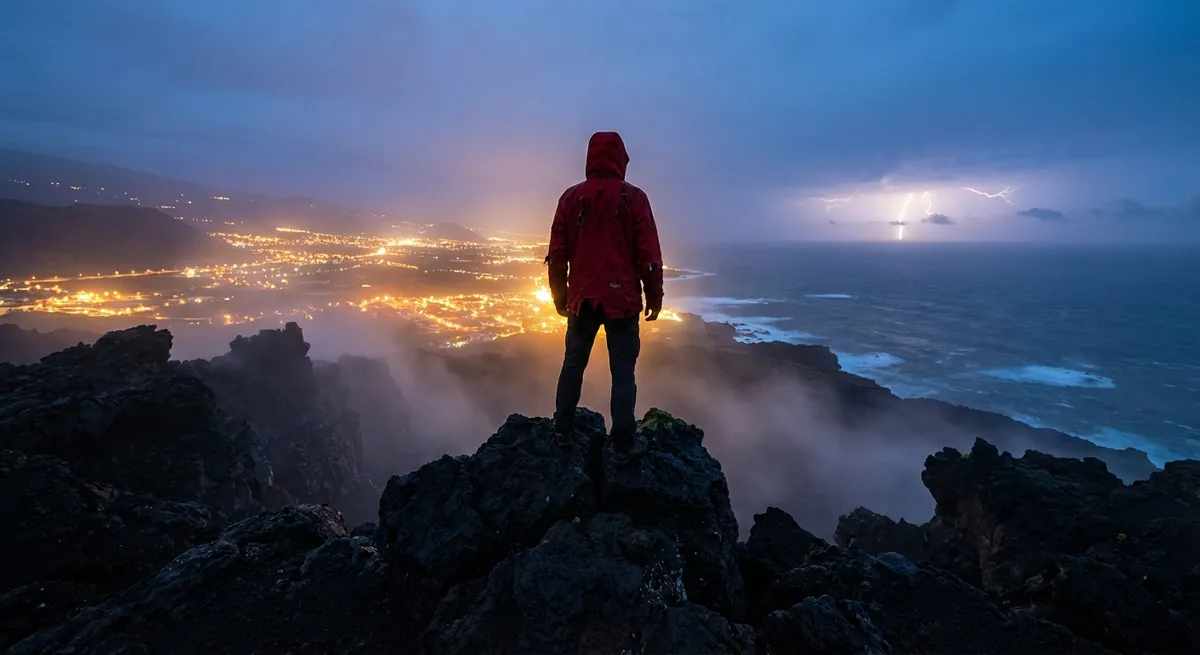
Below are five adventure sparks—captivating, practical, and designed to tilt your world just enough that it never looks quite the same again.
1. Follow the First Light: Sunrise Missions That Rewire Your Senses
There’s a silence before sunrise that feels like the world holding its breath just for you. In that soft, blue hour, even familiar places look like they’ve slipped into another dimension. A harbor is no longer just boats and ropes—it’s silhouettes and steam rising from the water. A mountain ridge becomes a black sawblade slicing into a purple sky. A city rooftop turns into your private front-row seat to the universe waking up.
To chase this kind of adventure, think less about distance and more about timing. Scout a vantage point the day before: a coastal cliff, a viewpoint trail, a bridge over a river, or even the quiet top deck of a ferry. Check sunrise times, pack a headlamp, a thermos of something hot, and a simple breakfast you can eat with your hands. Wear layered clothing so you can peel off as the sun climbs and the chill lifts.
Why this matters: putting yourself in the path of the dawn resets your internal compass. You’re no longer a tourist ticking boxes; you’re a participant in the daily choreography of a place. You see fishermen launching boats, bakeries lighting ovens, monks beginning their morning chants, commuters crossing empty plazas. Those are the moments you remember long after the pretty views blur together.
Travel tip: Protect the quiet. Take a few photos, then pocket your phone. Let the light arrive without a lens between you and the horizon. That stillness—those few unfiltered minutes—is the real adventure.
2. Ride the Local Rhythm: Journeys by Train, Boat, and Backroads
Adventure is not only where you arrive; it’s how you get there. Trade the sealed bubble of quick flights for transport that lets you feel the spine of a country: overnight trains, slow ferries, mountain buses, rattling trams, and bicycles that force you to move at human speed. When you do, the journey stops being something to “get through” and becomes the main event.
Board a night train where the corridor smells faintly of metal and tea. Watch strangers turn into temporary neighbors—sharing snacks, trading stories, pointing out landmarks in the dark. Take a local bus that curves along cliff roads, pausing for goats and roadside fruit stalls. Hop on a riverboat where the banks slide by like an unfolding film: kids swimming, women washing clothes, fishermen waving with sun-creased hands.
To turn transit into an adventure, choose routes where locals outnumber tourists. Learn a few words of the language—hello, thank you, excuse me—and use them often. Pack a light scarf or jacket (air conditioning can be fierce), a refillable water bottle, earplugs, and offline maps. Watch how people buy tickets, stow luggage, and board; mimic their rhythm.
Why this matters: moving at local speed reveals the hidden map beneath the official one. You see the places where people really live—industrial suburbs, small-town markets, roadside shrines—not just the polished centers. You notice how a country breathes when it’s not performing for your camera.
Travel tip: When possible, choose one overland leg instead of an internal flight. The change in landscape—flatlands rising into mountains, farmland fading into desert—stitches the country together in your mind in a way no seatback map ever can.
3. Taste the Story: Street Food and Market Adventures
Every destination speaks through its food long before it speaks through its language. A bowl of noodles at a plastic table, steam clouding your face as scooters buzz past; a mango eaten standing in a crowded market, juice sticky on your wrist; a skewer grilled over a metal drum, sparks rising in the night air—these are stories you taste.
Instead of heading straight for the “must-try” restaurant list, start at the nearest market. Wander with no agenda. Notice which stalls have a line of locals and which ones are ignored. Follow your curiosity, not your comfort zone. Ask vendors what they recommend rather than what you recognize. You don’t need to speak the language fluently; pointing, smiling, and learning the phrase for “one, please” go a long way.
Stay smart and adventurous at the same time. Look for food that’s cooked hot and fresh in front of you. Choose busy spots where high turnover means ingredients don’t sit out for long. Carry hand sanitizer and a reusable utensil set if you prefer. If you have allergies, write them down in the local language or save a translation card on your phone.
Why this matters: when you eat where people eat every day, you step into the heartbeat of a place. You glimpse family recipes, seasonal traditions, and the quiet pride of someone handing you the dish their town is known for. Your memory of that trip stops being “We saw a famous square” and becomes “We ate soup at a stall where three generations worked side by side.”
Travel tip: Make a mini food quest part of your adventure—find the best single item in town (a pastry, a dumpling, a taco, a tea), based purely on local recommendations. The search will pull you into neighborhoods and conversations you’d never find otherwise.
4. Step Off the Main Stage: Micro-Adventures at the Edges
You don’t need a remote rainforest or a month-long trek to feel like an explorer. Some of the most powerful adventures happen in the small spaces at the edges of your day: the hour between afternoon and evening, the alley behind the main street, the hill that rises just beyond the last bus stop.
On your next trip, build in a “wander window”—a block of unscheduled time where your only rule is to follow what looks interesting. Turn down the side street with the painted doors. Climb the staircase that doesn’t seem to go anywhere. Cross the canal bridge that’s not on your itinerary. Sit in the square without pulling out your phone and see what unfolds.
Micro-adventures are about attention, not altitude. They invite you to peel back the polished layer of a place and see the everyday beauty underneath: kids playing improvised soccer with a crushed bottle, an old man feeding birds at exactly the same time every day, a hidden courtyard garden behind a heavy wooden door that someone forgets to close all the way.
Why this matters: when you let go of the idea that adventure must be grand to be real, your world multiplies. Suddenly, you’re not waiting for “the big trip” to feel alive; you’re finding small, sharp sparks of wonder everywhere you go. This mindset travels home with you. Your own city, your own routine, begin to feel less like a cage and more like a landscape with unexplored corners.
Travel tip: To stay safe while exploring the edges, trust your instincts and observe local behavior. If an area feels too deserted or people look uncomfortable with your presence, turn back. Adventure and awareness go hand in hand.
5. Say Yes to the Unscripted: People as Your Greatest Adventure
The most memorable part of many journeys isn’t the view—it’s the person who was standing beside you when you saw it. Landscapes impress; people transform. The invitation to join a family meal, the offer of a ride from a stranger who becomes a friend, the shared laugh over a phrase you mispronounce—these moments anchor you to a place long after you’ve left.
To invite this kind of unscripted magic into your travels, position yourself where connection is possible. Stay in guesthouses, hostels, small inns, or homestays where common areas naturally spark conversation. Join a local class—a cooking workshop, a dance lesson, a walking tour led by residents. Sit at communal tables. Ask open questions (“What would you do if you had one free day here?”) instead of transactional ones.
At the same time, set clear boundaries and stay grounded. Share your destination, not your entire life story or personal details like your full accommodation address with people you’ve just met. Keep your valuables secure and let a trusted contact know your plans. Trust is powerful, but so is discernment.
Why this matters: letting people into your journey cracks your world open. You stop being a spectator and become a participant in someone else’s story—and they in yours. You may find yourself invited to a festival you didn’t know existed, taught a card game in a café, or welcomed into a family celebration simply because you were willing to show up as yourself.
Travel tip: After a meaningful encounter, write down the person’s name, something you learned from them, and how you felt in that moment. Those notes become a map of your adventures far richer than any list of monuments.
Conclusion
Adventure is not a distant, glittering prize reserved for the lucky or the fearless. It lives in how you choose to greet each place: at sunrise, on slow-moving trains and ferries, in markets that smell like spice and smoke, down side streets with no promises, and in conversations that could go nowhere—or everywhere.
When you follow first light, ride the local rhythm, taste the story, step off the main stage, and say yes to the unscripted, you don’t just travel farther—you travel deeper. Your world stretches. Your courage grows. And somewhere between departure and return, you realize that the real destination was never a pin on the map. It was the bigger, braver version of you that emerged along the way.
Your next adventure doesn’t have to wait for the perfect moment. It only has to wait for your next yes.
Sources
- U.S. National Park Service – Hiking Safety Tips – Practical guidance on staying safe during outdoor and sunrise hikes
- Centers for Disease Control and Prevention – Food and Water Safety When Traveling – Evidence-based advice on safely enjoying local and street food
- UN World Tourism Organization – Tourism and Local Communities – Insights on responsible, community-focused travel and cultural interaction
- Lonely Planet – How to Travel by Train Like a Local – Tips for turning rail journeys into immersive local experiences
- Harvard Business Review – Why You Should Take More Microbreaks (and Microadventures) – Explores the psychological benefits of short, intentional breaks and small adventures