Redefine Luxury: Chase Moments, Not Price Tags
The most luxurious thing you can collect on the road is time—time to linger in a café, to get lost in a street market, to say yes to a last‑minute detour. Budget travel flips the script: instead of paying for convenience and status, you invest in curiosity and patience.
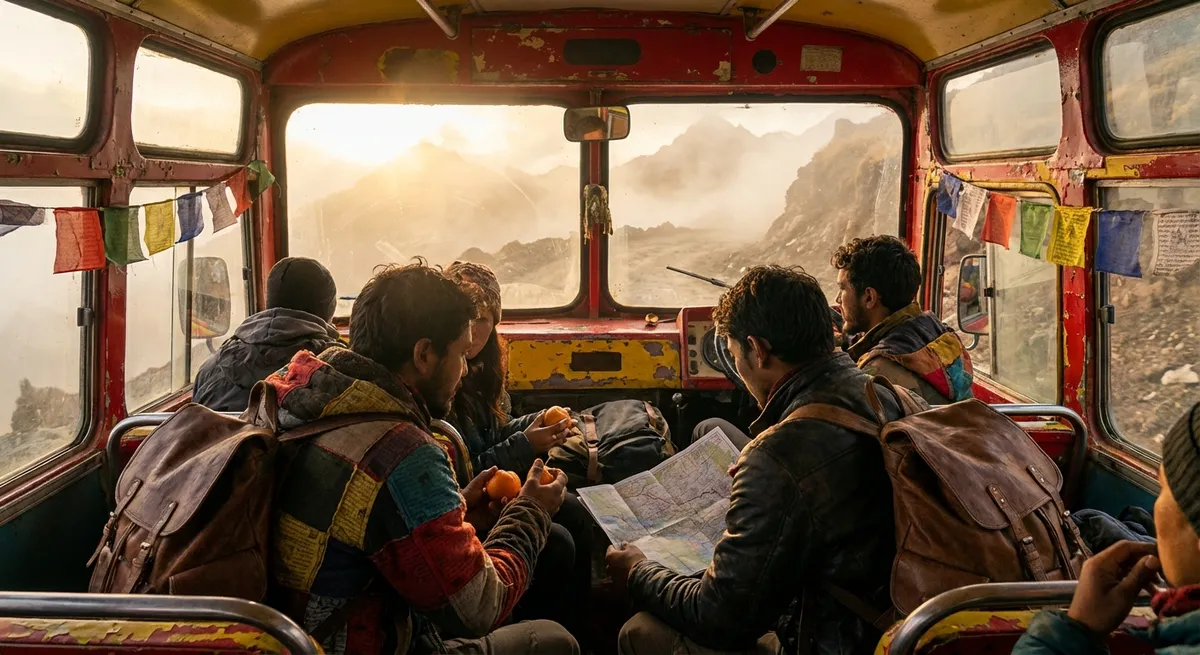
Skip the ornate hotel lobby and wake up in a family-run guesthouse where the owner circles hidden gems on a paper map. Trade the private taxi for a shared minibus where every bump in the road comes with a new conversation. When your money goes toward experiences instead of excess, you start to notice the soft edges of a place—the smell of bread at sunrise, the way the city quiets after midnight, the rhythm of daily life.
Adventure thrives where comfort thins. When you choose the simpler option, you leave space for surprise: the street food stall that becomes your daily ritual, the sunset you catch because you walked instead of rode, the invitation to a local festival that never shows up in glossy brochures. On a budget, you’re not downgrading your trip; you’re upgrading your connection to the world.
Ride the Local Current: Let Transit Become the Story
Transportation can be your biggest expense—or your greatest adventure. Budget travel invites you to move the way locals do, turning every journey into part of the story instead of dead time between attractions.
Picture this: instead of a quick domestic flight, you take an overnight train. The cabin rocks gently as you chat with another traveler, your window filling with silhouettes of villages, fields, and far-off mountains. You arrive not just in a new place, but with a sense of how the land unfolds between cities. Or you climb aboard a crowded city bus, standing shoulder to shoulder with commuters, street vendors, and kids in school uniforms, absorbing the heartbeat of daily life for the price of a single ticket.
Long-distance buses, regional trains, shared taxis, even ferries—each mode of transport has its own tempo and texture. They’re not just cheaper; they’re richer in story. Learn to read route maps like treasure maps, decode ticket machines, and ask for help in halting phrases. You’ll save money, but you’ll also unlock the ground-level view most visitors never see.
Budget travel isn’t about rushing from sight to sight; it’s about moving through the world slowly enough for it to leave fingerprints on you.
Turn Every Meal into a Local Adventure
Food is a shortcut to the soul of a place—and it doesn’t have to cost a fortune. Some of the boldest flavors and warmest encounters happen far from white tablecloths and Michelin stars.
Follow the scent of grilling meat down a side street. Join the queue at the busiest lunch stall, even if you can’t read the menu. Shop open-air markets in the morning, tasting fruits you don’t yet know how to pronounce. When you eat where locals eat, prices tend to drop and authenticity soars.
Make simple rules for yourself: eat at least one meal a day from a street vendor or market, avoid restaurants that advertise in five languages, and sit wherever you’re close enough to overhear real conversations. Ask the person next to you what they recommend. Offer to trade bites. Food becomes less about fuel and more about connection.
If you have access to a hostel or guesthouse kitchen, turn cooking into a cultural exchange. Invite others to join a “global potluck” where everyone spends a few coins at the market and brings a dish from their home country. For the cost of a single restaurant meal, you’ll share recipes, stories, and maybe even future travel plans.
On a budget, eating isn’t just cheaper—it’s more alive, more surprising, and infinitely more memorable.
Sleep Where Stories Collect, Not Where Points Accumulate
Where you sleep shapes who you meet and how deeply you experience a destination. Budget travel pushes you toward stays that feel less like transactions and more like chapters in your journey.
Hostels aren’t just for backpackers in their twenties anymore; many now offer private rooms, quiet corners, and coworking spaces, along with the classic dorm beds. In common kitchens and lounge areas, itineraries get rewritten over shared pasta and card games. That quick chat with someone from another continent might turn into a sunrise hike together or a split taxi to your next stop.
Guesthouses, homestays, and small inns often come with something big hotels rarely provide: hosts who care about your experience more than your credit card. They’ll direct you to their favorite sunset spot, the tiny bakery three blocks away, the free museum no one talks about. Sometimes you’ll be invited into a family dinner, a neighborhood celebration, or a casual morning coffee.
Even camping—beachside, forested, or in simple campgrounds near cities—can strip expenses down to the essentials while amplifying your sense of freedom. You fall asleep to wind in the trees, waves on the shore, or the low murmur of other travelers telling stories under distant stars.
When your accommodation becomes a hub of human connection instead of just a crash pad, every night on a budget feels like a new chance to rewrite what “home” can mean.
Stretch Your Journey by Trading Skills for Experiences
One of the most powerful budget travel “currencies” isn’t money, but what you know how to do. When you start seeing your skills as tickets instead of just tools, whole new pathways open.
Maybe you’re good with languages, photography, social media, teaching, or basic repairs. Around the world, hostels, farms, eco-projects, and community organizations welcome volunteers for a few hours a day in exchange for a bed, meals, or unique local experiences. The work might be simple—helping with check-ins, tending a garden, guiding a walking tour—but the payoff is cultural immersion that money can’t buy.
Stay a few weeks helping at a mountain guesthouse and you might get adopted into village routines: morning tea with neighbors, invitations to weddings or festivals, hikes to viewpoints not marked on any map. Offer to shoot photos for a small family business and they might take you to their favorite hidden beach afterward, proud to share their corner of the world with someone who cares.
You’re not “working for free”; you’re trading a skill for a deeper level of entry into a place, while keeping cash in your pocket. Just make sure opportunities are ethical and transparent—both you and your hosts should benefit.
The more you lean into what you can offer, the more the world leans back with doors cracked open, waiting.
Conclusion
Budget travel isn’t a consolation prize; it’s a different philosophy of movement. It swaps polished surfaces for raw edges, curated itineraries for spontaneous detours, and isolation for community. When you say yes to slower buses, street food, shared dorms, and skill swaps, you’re not just saving money—you’re choosing a version of travel that lets the world leave a real mark on you.
Your next adventure doesn’t have to wait for a windfall or a perfect moment. It can start with the loose change in your pocket, a one-way ticket on the cheapest route, and a decision: to trade certainty for discovery, comfort for connection, and cost for an unfolding story.
Pack your curiosity. The rest, you can improvise.
Sources
- Budget Travel Tips: How to Travel on a Budget - Practical strategies for low-cost travel, including accommodation, transport, and food ideas
- U.S. Department of State – Travel Advisory & Safety Information - Essential safety and advisory guidance when planning budget trips abroad
- Lonely Planet: How to Travel on a Budget - Overview of budget-conscious planning, from transport to experiences
- Hostelling International - Global network of budget-friendly hostels emphasizing community and cultural exchange
- Workaway - Platform connecting travelers with hosts for skill-based cultural exchanges and volunteering opportunities