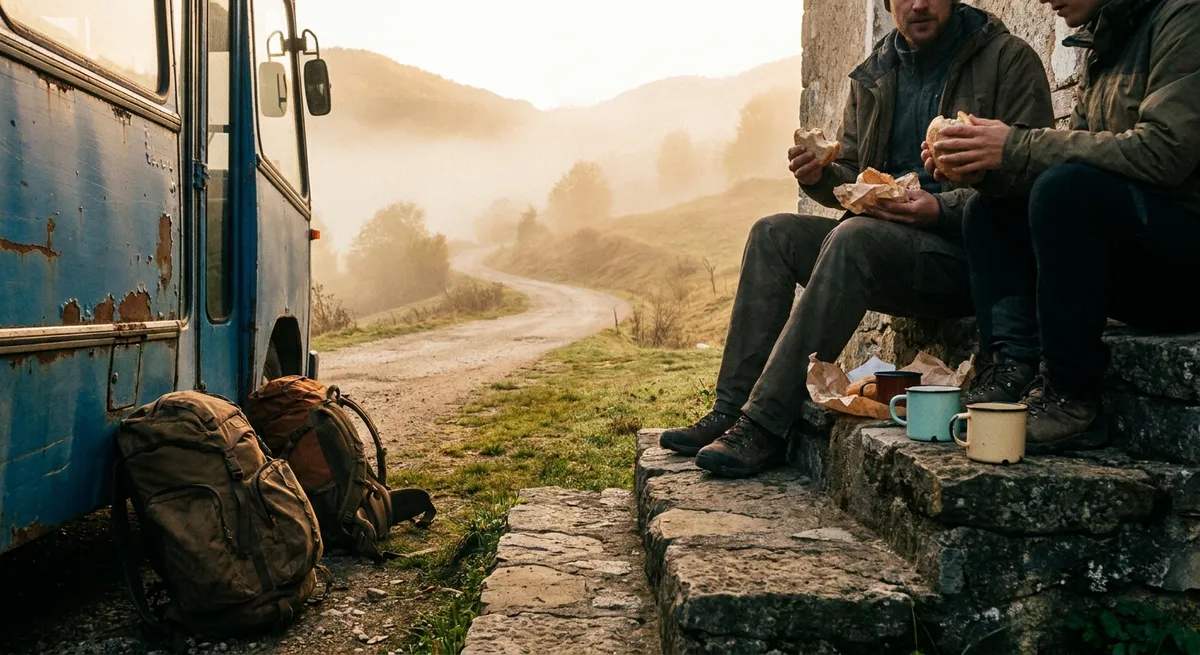
Below are five powerful shifts that turn budget travel into something bold, vivid, and wildly alive.
1. Sleep Where Stories Happen, Not Where Logos Shine
Luxury hotels give you soft sheets. Budget stays give you stories.
Guesthouses, hostels, family-run inns, monastery rooms, and homestays are often the front doors to the real life of a place. Think shared breakfasts with travelers from five continents, rooftop terraces at sunrise, and hosts who know which back-alley bakery has the best fresh bread for under a dollar.
Skip the default hotel search and look for:
- Locally run guesthouses: They often include breakfast, local tips, and a warm welcome—at a fraction of chain hotel prices.
- Hostels with personality: Many offer private rooms, community dinners, free walking tours, and coworking corners.
- Homestays and farmstays: Learn to cook a regional dish, help feed the chickens, or harvest olives—experiences you can’t book at a front desk.
- Alternative spaces: University dorms in summer, monastery stays, and volunteer accommodations can be unexpectedly comfortable and deeply memorable.
In budget travel, your “hotel lobby” might be a courtyard where kids play soccer, a kitchen where someone’s grandma is stirring soup, or a shared table crowded with maps and mismatched coffee mugs. That’s where adventure quietly sits down beside you.
2. Let Your Route Follow the Cheap Seats
Your adventure doesn’t have to follow a guidebook; it can follow the flight sales.
Instead of picking a city first and forcing your budget to absorb the cost, flip it: let deals dictate your direction. When you chase off-season fares and overlooked destinations, you unlock places most tourists haven’t trampled yet.
To make the most of this:
- Be flexible with dates and airports. Flying midweek, at odd hours, or into a nearby city can slash prices.
- Zoom out on the map. If a flight to a big hub is cheap, you might connect by bus or train to where you really want to go—for far less.
- Travel off-peak. Shoulder seasons (just before or after high season) mean lower prices, fewer crowds, and a calmer pace that invites deeper exploration.
- Combine slow travel with smart routes. Once you’re on the continent, buses and regional trains are often inexpensive—and can turn travel days into rolling windows on everyday life.
When you stop insisting on a specific airport and instead ask, “Where can I get to for less?” the world starts answering with surprising invitations.
3. Eat Like You Actually Live There
Your taste buds are your best guides—and your best money-savers.
Tourist menus and waterfront restaurants will burn through your budget faster than you can say “service charge.” But walk a few streets back, step into a busy place where the menu isn’t translated, and suddenly you’re eating better for half the price.
To stretch your budget (and deepen the flavor of your trip):
- Shop local markets. Buy fruit, bread, cheese, and snacks like you have a kitchen—even if you don’t. Markets are perfect for breakfast and picnic-style lunches.
- Follow the lines of locals. Crowded food stalls, canteens near offices, and simple neighborhood joints usually mean low prices and dishes people actually love.
- Try set menus or “worker lunches.” In many countries, fixed-price lunch menus are hearty, affordable, and authentically local.
- Cook occasionally. Booking places with kitchen access lets you turn one big grocery run into several meals—leaving more room in your budget for special splurges.
Eating like a local isn’t just cheaper—it’s a shortcut into the daily rhythm of a place. The bakery that learns your name after three mornings, the tiny café where the owner insists you try the house specialty—those become anchors in your travel story.
4. Trade Souvenirs for Skills and Moments
The cheapest thing you’ll bring home from a trip is a keychain. The most valuable? A new piece of yourself.
Instead of spending your budget on trinkets, shift it toward experiences that change how you see the world—and yourself.
Consider channeling your cash into:
- Workshops instead of widgets. Take a street photography walk, a calligraphy lesson, a cooking class, or a surf session. You gain a skill instead of another object.
- Free and donation-based experiences. City walking tours, public festivals, neighborhood concerts, community events, and open-air markets are often free and unforgettable.
- Nature over novelty. A sunrise hike, a dip in a mountain lake, cycling through quiet villages, or stargazing in a desert costs little but leaves deep impressions.
- Conversations as currency. Learn a few phrases in the local language, ask for recommendations, and actually listen. A single conversation can change your entire route.
Your baggage allowance is limited, but your capacity for memories isn’t. When you prioritize experiences over objects, your journey stops being a shopping trip and becomes a personal evolution.
5. Turn Constraints Into the Core of Your Adventure
A budget isn’t a cage—it’s a creative prompt.
When you know you can’t just fix every problem with your card, you start solving travel puzzles in more interesting ways. You choose buses over private transfers, picnics over pricey patios, and long walks over quick taxis. And in the process, you notice more.
Here’s how to let your budget shape a richer adventure:
- Set a daily “game budget.” Instead of a vague “save money” goal, give yourself a daily spending limit and treat it like a challenge: how much experience can you squeeze out of this number?
- Embrace slow days. Not every day has to be packed with paid attractions. Some of the best travel days are “light days”: reading in a park, wandering without a plan, people-watching in a square.
- Bundle your splurges. Decide in advance what’s worth spending big on—a hot air balloon ride, a diving trip, a festival ticket—and cut back around that. One carefully chosen splurge can become the spine of your story.
- Collect free beauty. Sunsets, coastlines, mountain views, local festivals, street art, old town lanes, and libraries are often free. Stack enough of those, and your budget trip starts to feel extravagant in the ways that matter.
Traveling within limits forces you to pay attention, improvise, and notice the details that richer travelers speed past. Your budget becomes less of a restriction and more of a compass, pointing you toward authenticity over convenience.
Conclusion
Budget travel isn’t about seeing less of the world—it’s about seeing it more honestly.
When you sleep where stories live, let deals choose your direction, eat like you belong, invest in experiences over things, and treat your budget as a creative spark, the map opens up. You stop waiting to be “ready enough” or “rich enough” and realize that what you already have—curiosity, courage, and a willingness to step into the unknown—is plenty.
Your next journey doesn’t have to be perfect, expensive, or Instagram-ready. It just has to be real, and it has to begin.
So open a calendar, open a map, and ask a simple, radical question:
With the budget I have, how far into my own story can I go?
Then go find out.
Sources
- [U.S. Department of State – Travel Advisory & Safety Resources](https://travel.state.gov/content/travel/en/traveladvisories/traveladvisories.html) – Official guidance to help you plan safe, informed trips on any budget
- [European Commission – Passengers’ Rights for Air, Rail, Bus and Ferry](https://transport.ec.europa.eu/transport-themes/passenger-rights_en) – Useful for understanding your rights when using budget-friendly transport in Europe
- [Hostelling International](https://www.hihostels.com/) – Global network of hostels, showcasing affordable accommodation options and the social side of budget travel
- [Lonely Planet – Budget Travel Tips](https://www.lonelyplanet.com/articles/budget-travel-tips) – Practical strategies for saving money on transport, food, and stays around the world
- [BBC Travel – The Rise of Slow Travel](https://www.bbc.com/travel/article/20230410-why-slow-travel-is-the-best-way-to-see-the-world) – Explores slow, more sustainable travel styles that often align with budget-conscious adventures