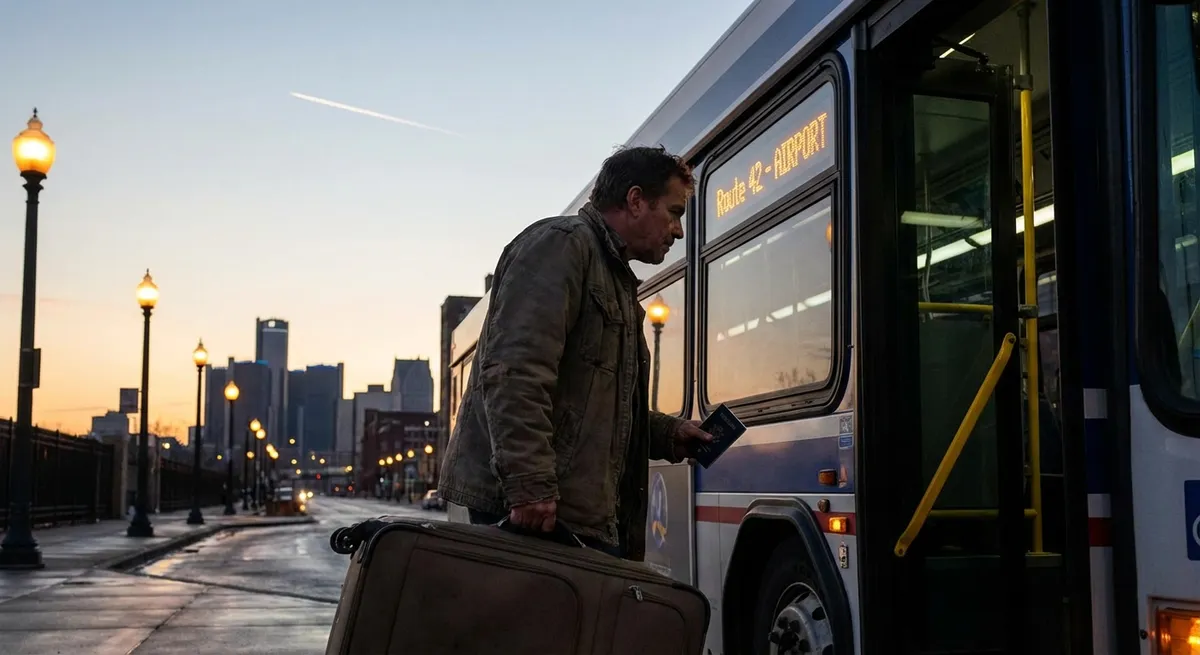
Think of your next trip not as a vacation, but as a personal frontier: a chance to surprise yourself, to step into unfamiliar stories, and to collect moments that feel a little bit impossible. These five adventure ideas mix bold experiences with practical moves you can actually pull off—whether you’re traveling on a tight schedule, a tight budget, or both.
Sunrise Missions Instead of Sleep-Ins
Trading one extra hour of sleep for a sunrise somewhere new can transform a “normal” trip into something that feels epic. Set your alarm for before dawn and hike a short local trail, climb a city viewpoint, or simply walk to the quietest waterfront you can find. The streets are empty, the air is sharper, and the world feels like it belongs to you and a handful of early‑rising strangers. Bring a thermos of coffee, a light jacket, and your camera or phone—not just for photos, but to record a short voice memo about what you’re feeling in that moment.
If you’re in a city, ask locals or your host for their favorite rooftop, bridge, or hill where the sky opens up. In nature, choose safe, well‑marked paths you’ve scouted beforehand during daylight. The real adventure isn’t just the view; it’s the feeling of walking through a half‑sleeping world toward a horizon that’s slowly catching fire. By the time everyone else is just waking up, you’ve already lived a full chapter of your day.
Say Yes to the One Thing That Scares You (A Little)
The experiences you remember years later usually come from the decisions that made your heart beat faster. On your next trip, pick one activity that sits just outside your comfort zone—but not so far that it feels impossible. That might be joining a cold‑water plunge, trying a cliffside via ferrata, learning to free‑dive with an instructor, renting a scooter in a calm area, or signing up for a group hike where you don’t know anyone.
Before you go, research trusted operators, read reviews, and understand the safety basics so you’re scared of the challenge—not of the logistics. Set a simple rule for yourself: if it’s safe, ethical, and within budget, you’ll say yes to that one thing. Nervousness is part of the story; you don’t have to hide it. Tell your guide you’re new. Share your fear with your travel partner. You’ll be amazed how quickly strangers become teammates when you’re all slightly terrified together. That moment when fear turns into exhilaration? That’s why you left home in the first place.
Follow the Local Rhythm, Not the Perfect Itinerary
Instead of racing from sight to sight, build one day of your trip around a single question: “What would I do today if I actually lived here?” Visit the neighborhood markets early, watch where people line up for breakfast, and copy them—no glossy reviews needed. Take the slow tram or bus instead of a taxi and pay attention to the conversations, fashion, and tiny rituals around you. Pop into a local sports match, community center, or open‑air class, even if you don’t fully understand what’s going on.
Ask someone who works at your guesthouse or café what they’d do with a free afternoon and try to follow their answer as closely as you can. That might lead you to a swimming spot without a single tourist, a street where every house sells homemade snacks, or a park where three generations of families gather at sunset. The adventure here is subtle but powerful: you’re not just seeing a place—you’re temporarily syncing your life to its heartbeat. Share those moments, not just the landmarks; that’s the kind of story your friends will actually want to hear.
Turn Every Meal into a Mini Expedition
Food can be your easiest ticket to adventure, if you treat each meal as a mission instead of a chore. Start by picking one food the destination is known for and go on a “quest” to find three completely different versions of it: a street stall, a no‑frills local spot, and a slightly nicer place. Keep notes: which one surprised you, which one felt like comfort, which one made you question your life choices (in a good way)? Suddenly, you’ve turned lunch into a tasting expedition and created your own personal food map.
Don’t be afraid to communicate beyond language: point to what other people are eating, learn basic words like “spicy,” “no meat,” or “recommendation,” and carry a small translation app for dietary concerns. Accept that at least once, you’ll order something unexpected—and decide ahead of time that this is part of the fun, not a failure. Ask your server how they eat the dish at home or when they usually crave it. You’re not just feeding yourself; you’re tasting someone else’s memories and everyday life.
Chase Small Wilderness Moments, Even in Big Cities
You don’t have to disappear into remote mountains to feel wild. Start hunting for “pockets of wilderness” wherever you are. In a city, that might be a forgotten park by the river, a storm‑beaten pier, a patch of urban forest, or a rocky shore at low tide. In more rural areas, it could be the edge of a lake at dusk, a village path where streetlights vanish, or a field where the stars actually punch through the dark. Use offline maps to mark green spaces, shorelines, and high points, then build short detours into your day to go find them.
Pack a simple wild‑kit: a lightweight layer, a small flashlight or headlamp, and a reusable bottle. Go at different times of day—noon, sunset, after dark (safely and with company)—and notice how the same place changes. Listen for birds, bugs, waves, or wind. Count how many stars you can see compared to home. Maybe you’ll sit on a rock above a city skyline, with traffic humming below and a gusty wind in your hair, realizing you’ve created your own secret lookout. These small wilderness moments can be just as transformative as multi‑day treks, and they’re within reach on almost any trip.
Conclusion
Your next adventure doesn’t need to be bigger—it needs to be more intentional. Wake up for the sky before anyone else, say yes to the challenge that makes you shake a little, borrow the daily rhythm of locals, treat meals like quests, and hunt for wild corners hiding in plain sight.
When you travel this way, you stop collecting just photos and start collecting proof: proof that you can handle more than you thought, feel deeper than you expected, and find wonder in places guidebooks barely mention. The border you’re really crossing isn’t on a map—it’s the line between the life you’re used to and the one you’re still brave enough to create.