Redefine “Luxury”: Chase Moments, Not Marble Lobbies
Luxury on a budget starts when you stop measuring trips in thread counts and start measuring them in moments that stay with you.
Picture this: instead of a polished hotel bar, you’re sipping thick, sweet coffee at a plastic table on a side street in Hanoi, mopeds humming past as the city wakes up. Rather than a rooftop infinity pool, you’re standing on a cliffside viewpoint after a steep, sweaty climb, watching the sun melt into the sea with a handful of strangers who feel like old friends by sunset.
When you make experiences your priority, your budget stretches further. Choose simple guesthouses, hostels with great common areas, or locally owned homestays over big-brand hotels. Look for places that are clean, safe, and central—not ornate. Read reviews for words like “friendly staff,” “great location,” and “social atmosphere” instead of “luxury” and “upscale.” The less you spend on where you sleep, the more you’ll have to pour into what you actually do.
This mindset shift frees you. You stop chasing perfection and start chasing presence. Suddenly, a street-food dinner eaten on a curb can feel more “five-star” than any white-tablecloth restaurant, because you’re at the core of the city instead of looking at it from behind glass.
Ride the Rhythm of Off-Peak Travel
Budget travelers don’t just pick places; they pick timing. Travel when most people stay home, and the world opens at a discount.
Shoulder seasons—those magic weeks between high season and low—are your best friend. Think late April in Europe before summer crowds, or September in Southeast Asia as monsoons ease and prices fall. Flights, stays, and even tours often drop in price when demand cools, but the essence of the place remains.
Off-peak travel doesn’t only save money—it reshapes your experience. Fewer crowds mean shorter lines, quieter streets, and more authentic interactions. You can linger in a museum without jostling for a view, talk to a barista who isn’t slammed with orders, or wander a beach that feels like it’s been reserved just for you.
Use flexible date search tools on flight sites, set alerts, and be willing to nudge your trip by a few days to unlock better prices. Let the calendar become part of your strategy: travel when the world whispers instead of when it shouts.
Turn Transportation into Its Own Adventure
On a budget, how you get somewhere can be as memorable as the place itself—if you let the journey become part of the story.
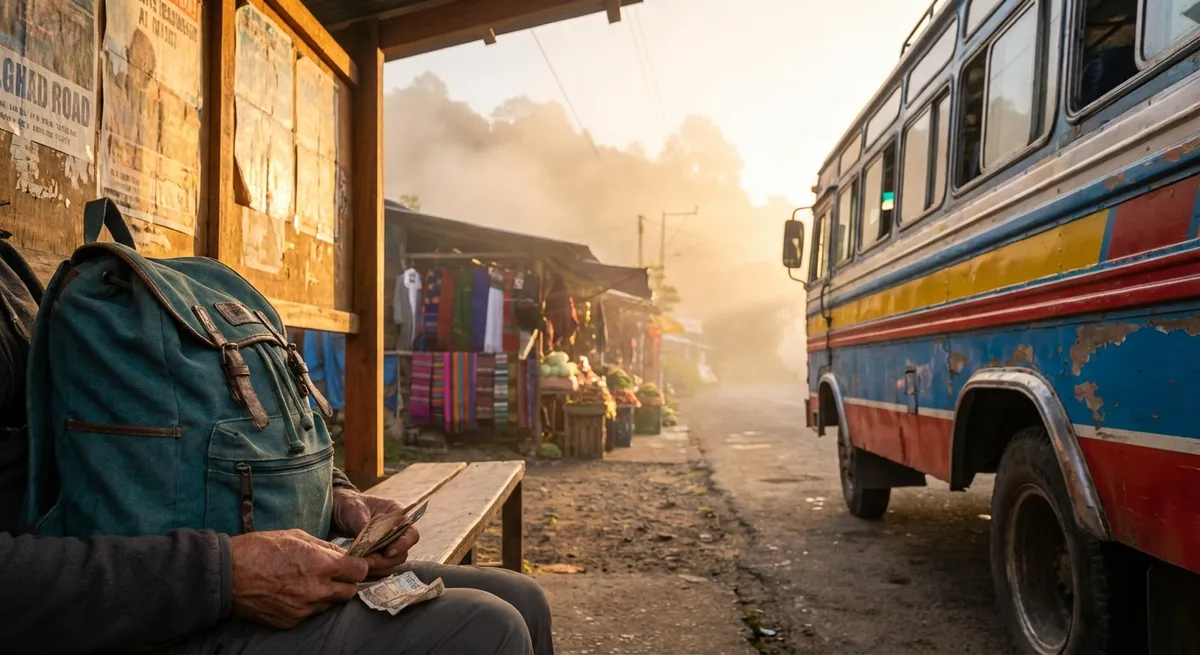
Instead of a pricey direct flight, consider a longer route with a purposeful stopover—an extra city to explore without paying for another trip. Once you’re on the ground, swap taxis and private transfers for the local ways of moving: metro systems, tuk-tuks, shared vans, long-distance buses, or slow trains that shimmer past landscapes you’d never see from 35,000 feet.
Overnight transport can stretch your budget twice: you move between destinations and save a night’s accommodation. Picture yourself dozing off on a sleeper train, waking up to a new skyline and a station buzzing with life. Is it glamorous? Not always. Is it unforgettable? Almost every time.
Learn the basics beforehand: how ticketing works, what routes are safest, and what locals actually use. Staying flexible—taking an earlier bus, hopping onto a different line, or walking the last kilometer—often leads you to side streets and small encounters that would never appear in any guidebook.
Eat Like You Live There, Not Like You’re Visiting
Food can quietly drain your travel budget—or become the cheapest, richest way to connect with a place.
Skip the tourist traps with laminated menus and too many English signs out front. Instead, follow the people who look like they just got off work, the line that snakes around the block, or the tiny stall with plastic stools and one dish done flawlessly. Street food, local markets, and neighborhood eateries typically deliver the most flavor for the fewest coins.
Make the supermarket part of your itinerary. Grab local snacks, fruit, bread, cheese, or ready-made meals and turn a park bench into a picnic spot with a view. Cook in hostel kitchens when you can, especially for breakfast and simple dinners, then save your restaurant budget for the dishes the region is known for.
If you’re nervous about food safety, do a little homework: look for high turnover spots where food doesn’t sit long, food cooked in front of you, and locals eating there. Not only will your budget thank you; your memories will be seasoned with the smells of grilling, simmering, and sizzling that define a place more than any souvenir ever could.
Build Your Days Around Free and Low-Cost Wonders
The world hides some of its greatest rewards behind a price tag of “nothing at all”—you just have to look for them.
Many cities offer free walking tours (tip-based), giving you an insider’s orientation and stories you’d never catch on your own. Museums often have free days or evenings. Public parks, coastal paths, community festivals, open-air concerts, and local markets can easily fill your days without emptying your wallet.
Hiking trails, urban viewpoints, riversides, sunrise spots, and sunset lookouts cost nothing but your effort. Step out at dawn to watch a city stretch awake or stay out late to see it glow in neon—views are free, and they’re rarely crowded at the edges of the day.
Plan your “big spends” carefully: maybe it’s one guided trek, a diving experience, a cooking class, or a day trip that truly excites you. Then weave the rest of your itinerary from the free fabric of the place—neighborhoods, waterfronts, street art, and simple wandering with no agenda but discovery.
By the time you go home, you’ll realize your strongest memories aren’t tied to tickets, but to the moments you created in the spaces that didn’t ask anything of your wallet—only your presence.
Conclusion
Budget travel isn’t about accepting less; it’s about seeing more clearly. When you trade polished edges for raw experience, you step into a world that feels closer, more human, and surprisingly within reach. You learn to travel by rhythm instead of rush, to eat where stories simmer alongside soup, to ride the city’s veins instead of skimming over it, and to build days from light, curiosity, and chance.
Your budget is not the gatekeeper of your adventure—it’s just the starting condition. The real question is whether you’re willing to rearrange your comfort, your timing, and your expectations to make room for something bigger than routine. The world is not waiting for “someday.” It’s spinning right now. Pack light, look twice at that map, and take the first step that feels a little scary and a lot like freedom.
Sources
- U.S. Department of State – Travel Advisories - Official safety and advisory information to check before planning budget trips
- National Geographic Travel - Inspiring stories and destination insights to help shape meaningful, experience-focused travel
- Lonely Planet – Budget Travel Tips - Practical advice on saving money while traveling without missing key experiences
- BBC Travel - Articles exploring local culture, food, and off-peak travel ideas from around the world
- MIT – Airline Fare Pricing and Booking - Research perspective on how airfares work, useful for understanding when flexible dates can cut costs