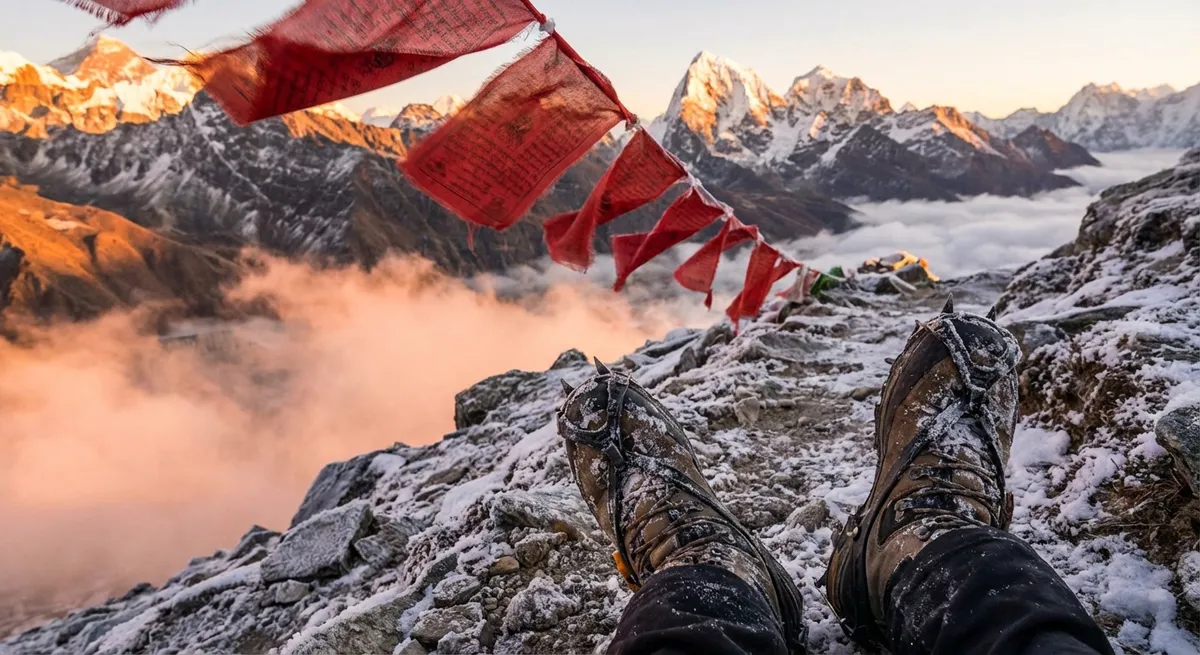
Below are five captivating ways to step into adventure—each one designed to wake up your senses, challenge your limits, and give you stories you’ll want to replay for years.
1. Follow the Water: Craft a Journey Around Rivers, Coasts, and Hidden Coves
There’s something primal about being near water. Rivers carve their way through continents, coasts mark the edge of the known, and hidden coves feel like secret worlds that only exist for those willing to search for them. Building a trip around water pulls you into landscapes that are constantly in motion—and into experiences that refuse to be ordinary.
Imagine paddling at sunrise through misty fjords, where every stroke of your kayak feels like you’re writing a new line in your personal story. Or tracing a historic river—like the Danube or the Mekong—stopping in small riverside towns where menus aren’t translated and smiles are the common language. Coastal adventures might mean learning to surf on a beginner-friendly beach, taking a sailing course, or free-diving just far enough to understand how alien and beautiful the underwater world is.
On a practical level, water-based adventures demand respect and preparation. Learn basic water safety, check local conditions, and choose reputable guides, especially if you’re new to kayaking, rafting, or ocean swimming. Pack quick-dry layers and a waterproof bag for essentials like your passport, phone, and a printed copy of important documents. By making water your compass, you invite surprise: the unexpected café by a harbor, the cliffside path you only notice at low tide, the way a river village welcomes you as if you’ve floated in from another century.
2. Chase Dark Skies: Let the Night Become the Main Event
Most trips are planned around daylight—the views, the hikes, the museums. But adventure changes shape after the sun drops. Far from city glow, night turns into a cathedral of stars, and the simple act of looking up becomes an exploration in itself. Deep-sky adventures pull you out of your usual expectations of travel and into something far more timeless.
Picture yourself stretched out on a desert floor, the Milky Way smeared across the sky like spilled light. Or standing on a frozen lake in the Arctic Circle, watching the northern lights crackle in green ribbons overhead while the cold nips at your nose. Night hikes through protected reserves offer entirely different ecosystems: bioluminescent plankton, nocturnal animals, and the quiet thrill of moving by headlamp along a shadowy trail.
Night-focused trips require smart planning. Seek out certified Dark Sky reserves or parks, where light pollution is minimized and stargazing is often supported by local astronomy guides. Dress warmer than you think you’ll need; the excitement of the sky doesn’t keep your fingers from going numb. Bring a red-light headlamp to protect your night vision, and download an offline stargazing app before you lose reception. When you build a journey around darkness, you discover just how much of the world—outer and inner—you’ve been missing.
3. Ride the Slow Line: Turn Trains Into Moving Basecamps
Planes get you there; trains let you feel the distance. Long rail journeys offer a uniquely cinematic form of adventure—your window becomes a constantly refreshed postcard, and the rhythmic clatter of tracks becomes the soundtrack to stories you haven’t lived yet. Instead of jumping from one airport terminal to another, you have time to watch landscapes morph, people board and disembark, and cultures shift one station at a time.
Think of sipping hot tea as you roll through snow-blanketed villages in winter, or watching rice paddies turn to jungle as an overnight train slices through Southeast Asia. Train compartments become pop-up communities: strangers swapping snacks, sharing route tips, and occasionally becoming travel companions for the next leg of your journey. With sleeper berths, the train itself can double as your hotel, freeing up your budget and time.
To make train adventures sing, plan just enough but not too much. Reserve key long-distance legs in advance—especially sleepers—but leave open windows in your schedule for spontaneous stopovers in towns you hadn’t researched. Pack a small “train kit”: headphones, a good book, offline maps, and snacks that travel well. Respect local etiquette (quiet hours, luggage space), and you’ll often be rewarded with insider recommendations from fellow passengers. When you travel by rail, you’re not just going somewhere—you’re being carried through the story between here and there.
4. Let Your Feet Lead: Design a Walk-Only Chapter of Your Trip
There’s a kind of magic that only reveals itself at walking speed. When you commit to exploring a place mostly—or entirely—on foot for a few days, your relationship with that destination deepens. Suddenly you’re noticing the way a city wakes up, how a mountain town smells right after rain, or the tiny shrine tucked into a rock wall you’d never have seen from a car window.
This doesn’t have to mean a multi-week pilgrimage or hardcore trekking route (though it can). It might be choosing a walkable neighborhood as your base and deciding that for 48 hours, you won’t step into a vehicle. Or committing to a multi-day hut-to-hut hike in the Alps, Andes, or your own backyard mountain range. Your world shrinks to what you can cover in a day—and, paradoxically, expands into far richer detail.
Foot-forward adventures reward preparation and lightness. Invest in broken-in walking shoes, not just stylish sneakers. Carry a small daypack with water, a compact first-aid kit, layers, and physical maps or downloaded offline routes. Check local weather and terrain in advance so you’re not surprised by heat, altitude, or sudden storms. Ask locals about their favorite walks, not just the tourist-famous ones. By re-centering your trip on your own two feet, you learn that adventure isn’t always about speed; it’s about depth.
5. Say Yes to Learning: Turn Curiosity Into Your Travel Superpower
Some of the most memorable adventures aren’t about where you go, but what you decide to learn while you’re there. When you travel with the intention of gaining a skill—however small—you transform from spectator to participant. Your stories shift from “I saw this” to “I did this,” and that difference echoes long after you’ve unpacked.
Picture a week in a mountain village where your mornings are spent learning to make local bread in a stone oven, and your afternoons are free to hike the trails above town. Or a coastline trip where you join a beginner freediving course, discovering how to move calmly through water you used to fear. In a city, it might be an urban sketching workshop that leads you into quiet courtyards and hidden rooftops you’d never have found on a hop-on, hop-off bus.
To build learning into your adventures, research local classes, community centers, and responsible tour operators who prioritize safety and cultural respect. Start small: a half-day cooking lesson, a one-day climbing course, a weekend navigation workshop. Look for activities that connect you to the place rather than recreating what you could do at home. Pack a small notebook or digital journal to capture both what you learn and how it makes you feel. Travel becomes less about collecting photos and more about collecting new versions of yourself.
Conclusion
Adventure isn’t a personality type; it’s a practice. It starts every time you choose the unknown over the familiar, the curious question over the scripted plan. Following the pull of water, seeking out dark skies, riding long-distance trains, trusting your feet, and learning something new on the road—these are all ways to stretch the borders of your life without waiting for the “perfect moment.”
Your future self already knows how powerful these journeys will be. Borrow a bit of their courage today. Book the night train, sign up for the class, pick the path you’ve never walked before. The map of your life doesn’t expand on its own—you expand it, one bold step, starry night, and wild detour at a time.
Sources
- International Dark-Sky Association – Dark Sky Places – Directory of certified Dark Sky parks and reserves for planning night-sky adventures
- American Red Cross – Water Safety Tips – Essential guidance on staying safe during water-based activities
- UNESCO – Transboundary Waterways and Sustainable Tourism – Insight into the cultural and environmental value of river and coastal regions
- Man in Seat 61 – Train Travel Guides – Detailed, trusted information on long-distance and international train journeys worldwide
- Centers for Disease Control and Prevention – Healthy Travel – Health and safety advice to prepare for international adventures