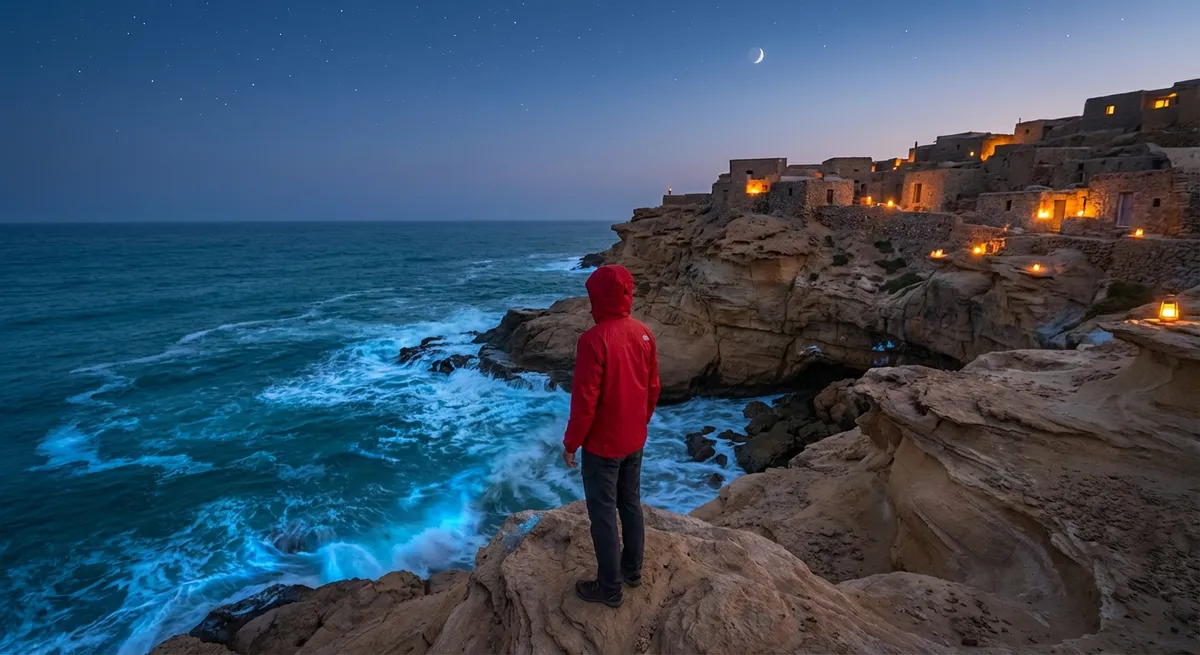
Here are five kinds of places that don’t just look good on your feed—they linger in your bones long after you’ve come home.
1. Places Where the Night Sky Steals the Show
There’s a moment under a truly dark sky when the world goes quiet and the universe switches on. Streets disappear, city glow fades, and you realize how crowded the sky really is.
Destinations known for stargazing—like Norway’s Lofoten Islands, New Zealand’s Aoraki Mackenzie Dark Sky Reserve, or the deserts of Utah—offer something more than pretty pictures. They reset your sense of scale. Standing under a ribbon of Milky Way or the shimmer of the aurora, your worries shrink to their real size.
Practical tip:
- Aim for certified Dark Sky Parks or Reserves for minimal light pollution.
- Avoid full-moon dates and check aurora or stargazing forecasts before you go.
- Pack warm layers, a headlamp with a red light, a tripod (even for your phone), and download an offline star map app so you know what you’re looking at.
If you crave that feeling of smallness in the best possible way, chase destinations where the night sky is the main attraction, not an afterthought.
2. Cities That Rewrite What “Urban” Can Feel Like
Some cities rush you. Others recalibrate you. The magic lies in places where concrete and chaos make room for creativity, green space, and street-level stories.
Think of cities like Copenhagen, Singapore, Vancouver, or Melbourne—places that are actively rethinking how humans move, gather, and breathe. You might cycle along waterfronts instead of sitting in traffic, hop on spotless metro systems, or wander neighborhoods where street art doubles as an unofficial local guide.
Practical tip:
- Before you go, learn how locals actually move: bikes, trams, ferries, cable cars. Plan at least one day with no fixed schedule and just follow interesting streets, sounds, and smells.
- Seek out local markets, food halls, and community centers—these are the city’s living rooms.
- Join a themed walking tour (architecture, street food, history) on your first day to unlock a city’s story early.
The right city doesn’t just entertain you; it leaves you wondering, “What if my everyday life could feel more like this?”
3. Routes Where the Journey Is the Destination
Some trips aren’t defined by where you stop, but how you move between those stops. Mountain passes, winding coastal roads, long-distance trains, and pilgrim paths turn motion into meditation.
Picture tracing the curves of a coastal drive, crossing countries by train where the landscape changes like a slow-motion movie, or walking a centuries-old route where every village feels like a new chapter. These journeys invite you to surrender your usual pace and let distance do its quiet work on you.
Practical tip:
- Look for scenic byways, heritage rail lines, or historic walking routes that are set up for travelers (lodging, clear signage, public transport links).
- Travel light—especially if you’re walking or switching trains often. Think layers, quick-dry fabrics, and one pair of trusted shoes.
- Build in buffer days. The best moments often happen when you can afford to let a great view or spontaneous contact with locals delay you.
When the route becomes your story, every curve, crossing, and pit stop feels like an essential line in your travel journal.
4. Wild Spaces That Teach You Your Edges
There are landscapes that demand your full attention—glacier-fed lakes, razor-edged ridges, dense jungles, or volcanic plains. These are the places you can’t half-experience; they insist you show up with every sense switched on.
Trekking in Patagonia, canyoning in Slovenia, snorkeling coral reefs in Indonesia, or hiking through national parks almost anywhere on Earth reconnects you with something primal: the thrill of being small in a big, wild system. The wind feels louder, your heartbeat more obvious, and your body suddenly becomes the vehicle for adventure—not just the passenger.
Practical tip:
- Check trail or park conditions on official sites before you go—weather and closures change quickly.
- Respect altitude, heat, and distance; choose routes that challenge you without breaking you.
- Hire local guides for activities with real risk—glacier hikes, jungle treks, high cliffs, or unfamiliar waters. You gain safety, stories, and cultural context all at once.
Wild destinations don’t just give you scenery; they hand you proof that you can do harder things than you thought.
5. Communities Built Around a Different Rhythm
Some destinations don’t wow you with scale; they win you with pace. Island villages that close for afternoon siesta, mountain towns that orbit around sunrise and sunset, or communities where the weekly market is the social high point.
These are places like small towns in Japan, villages in the Italian countryside, or coastal communities in Portugal and Greece—where time feels elastic, meals are events, and neighbors know each other’s stories. Spending even a few slow days in a place like this can be a quiet revolution in how you think about work, rest, and enough.
Practical tip:
- Stay in guesthouses, homestays, or small inns rather than big anonymous hotels. The point is connection.
- Learn a handful of local phrases—greetings, thank you, please, “delicious,” and “beautiful.” These tiny efforts open big doors.
- Align yourself with local rhythms: eat when they eat, rest when they rest, join community events if you’re invited.
When you sync with a different rhythm, you don’t just visit a place—you briefly borrow a different way of living.
Conclusion
The destinations that stay with you aren’t always the ones with the biggest landmarks; they’re the ones that quietly rearrange your inner compass. A sky full of unfamiliar stars, a city that moves differently, a long road or rail line, a wild trail, a slow village meal—these experiences bend the way you see your own life when you return.
As you plan where to hop next, look beyond the obvious pins on the map. Choose places that challenge your pace, your comfort zone, and your assumptions. That’s where travel stops being escape—and starts becoming transformation.
Sources
- International Dark-Sky Association – Dark Sky Places – Directory of certified dark sky parks and reserves around the world
- UNESCO World Heritage List – Official database of culturally and naturally significant destinations worldwide
- U.S. National Park Service – Plan Your Visit – Practical planning resources for visiting U.S. national parks and wild spaces
- Japan National Tourism Organization – Model Itineraries – Examples of slower, regional travel beyond major Japanese cities
- European Commission – Trans-European Transport Network (TEN-T) – Information on major European transport routes useful for planning overland and rail-based journeys