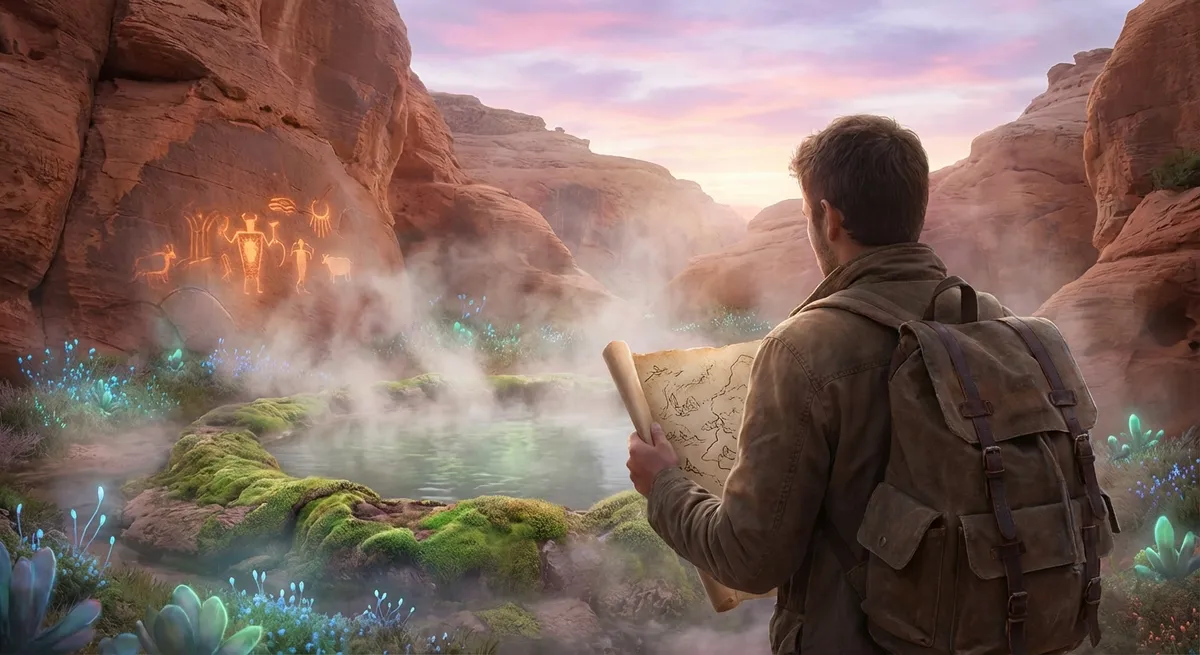
Below are five kinds of destinations that don’t just look good in photos—they change how you feel about the world and your place in it.
1. Cities That Come Alive After Midnight
Some cities sleep. Others shift into an entirely different personality once the sun sets. Night cities draw you into neon reflections on wet pavement, food sizzling on corner grills, and music spilling out of doorways you’d never notice by day.
Think of wandering Tokyo’s Shinjuku backstreets where lanterns glow over tiny izakayas, or drifting through Lisbon’s alleyways as fado winds up from open windows. In places like these, it’s safe (and smart) to stay alert, but the reward is watching a destination transform hour by hour.
For night-owl adventures:
- Follow the food: Night markets in cities such as Taipei or Bangkok are some of the best places to taste a culture in motion—cheap, fast, and full of locals.
- Ride public transit late: Trams in places like Berlin or Prague after dark are rolling theaters; look out the window, and the city becomes a continuous film.
- Join a night tour: From ghost walks in Edinburgh to night cycling tours in Seoul, after-dark experiences are often less crowded and more atmospheric.
Night cities remind you that a destination isn’t one fixed image—it’s a living thing that pulses differently with every hour.
2. Landscapes That Make You Feel Small (In the Best Way)
There are places where scale does the talking. Stand on the rim of a volcanic crater, at the base of a glacier, or in the middle of a desert sky full of stars, and your problems suddenly feel… appropriately sized.
Imagine Iceland’s black sand beaches where the Atlantic hammers the shore, Patagonia’s jagged peaks tearing open the horizon, or the American Southwest’s canyon country carved into layers of geologic time. These landscapes don’t beg for your attention—they command it.
To really feel the magnitude:
- Go slow and on foot: A short hike off the main viewpoint—whether in a national park or a coastal reserve—often unlocks silence, solitude, and that “I’m a tiny human on a massive planet” thrill.
- Chase sunrise or sunset, not midday: Harsh noon light flattens everything. Early and late hours paint cliffs, glaciers, and dunes in colors that feel almost unreal.
- Respect the wild: Check local guidelines on trail safety, wildlife distance, and weather conditions. The power of these landscapes is exactly why you don’t underestimate them.
These are the destinations that reset your internal scale and quietly rearrange your priorities.
3. Borderlands Where Cultures Blend and Blur
The edges where cultures meet are some of the most fascinating places to travel. In border towns, crossroads ports, and old trading routes, you’ll hear two languages in a single sentence, taste hybrid food traditions, and see architecture that tells a layered story without saying a word.
Picture Tbilisi, where Europe brushes against Asia and balconies lean over labyrinthine streets; or Tangier, gazing across the water toward Spain, carrying threads of Arab, Berber, and European influence. These places feel like human history playing out in real time.
To tap into the magic of borderlands:
- Seek the markets: Markets in cultural crossroads are living museums—spices from one region, fabrics from another, music from somewhere in between.
- Ask about “how it used to be”: Locals often have stories about shifting borders, migrations, and traditions that survived by adapting.
- Taste the overlap: Look for bakeries, street stalls, or cafes known for fusion dishes or long-standing family recipes that mix traditions.
Borderland destinations push you to see identity as a spectrum, not a line—and you carry that nuance home with you.
4. Water Worlds: Islands, Fjords, and Floating Cities
There’s something about destinations shaped by water that changes how you move and think. On islands, time stretches; in fjords, cliffs funnel your attention; in canal cities, the rhythm of boats replaces the sound of traffic.
Think of standing on a ferry weaving between Norway’s fjords, kayaking along Croatia’s island-dotted coast, or wandering the back canals of Venice at dawn before the crowds wake up. When water is the main “road,” you surrender control in a different way—tides, schedules, and weather become part of your plan.
To make the most of water-based destinations:
- Swap wheels for oars: Rent a kayak, join a small-boat tour, or take a public ferry instead of a cruise—all give you lower-to-the-water, more intimate views.
- Stay near the shoreline: Sleep where you can hear waves, harbor sounds, or rushing river water. Your dreams will feel different.
- Plan for unpredictability: Ferries get delayed, seas get rough, tides close off paths. Build in extra time and treat changes as part of the story, not an interruption.
These places teach you to travel at the speed of currents, not calendars.
5. Communities Built Around a Passion
Some destinations revolve around a single shared obsession—surf breaks, climbing cliffs, literary history, jazz, coffee, or street art. When you step into a place where the whole town or neighborhood is tuned to one passion, you’re not just a tourist; you’re a guest in someone’s living, breathing hobby.
Imagine a surf town where everyone checks the swell report before saying hello, a mountain village where climbing gear hangs on balconies, or a music district where sound checks echo every afternoon. The vibe is contagious.
To connect with passion-driven places:
- Take a class, not just a photo: Sign up for a beginner surf lesson, a street art workshop, a coffee-tasting, or a local cooking course. Participation beats observation.
- Find the bulletin board: Look for notice boards in cafes, community centers, or hostels. That’s where local events, open mics, and small festivals quietly advertise themselves.
- Stay a bit longer than you planned: These communities reveal themselves slowly—your second or third visit to the same bar, break, or climbing crag is when people start recognizing you.
In these destinations, you don’t just watch the passion—you borrow it, and maybe bring a piece of it back into your own life.
Conclusion
The world doesn’t run out of wonder; we just run out of imagination when we follow the same well-worn paths. Night cities, colossal landscapes, blended borderlands, water worlds, and passion-powered communities are more than pins on a map—they’re invitations to feel more alive, more curious, and more connected.
You don’t need to cross an ocean to find them. Sometimes the “new” destination is a nearby port town you’ve never explored after dark, a canyon two hours from home, or a neighborhood built around a scene you’ve only heard about in passing. The key is the same wherever you go: step off the default route, ask better questions, and let a place surprise you.
Your next destination isn’t just somewhere you go. It’s somewhere you become a slightly braver version of yourself. Where will you let the map break open next?
Sources
- UNWTO – International Tourism Highlights – Global tourism trends and insights on how and where people are traveling
- National Park Service (NPS) – Official information on U.S. national parks, including safety tips and guidance for exploring large natural landscapes
- Iceland Tourism – Visit Iceland – Detailed guidance on exploring Iceland’s unique geology, coastlines, and outdoor adventures
- Japan National Tourism Organization – Official travel information on Japanese cities, including nightlife, neighborhoods, and cultural etiquette
- Lonely Planet – Responsible Travel – Practical advice for traveling responsibly and respectfully in diverse destinations