Destinations Where Nature Feels Almost Impossible
There are landscapes that look like they were dreamed up, not formed over millions of years. Think of Iceland’s black-sand beaches where waves crash against volcanic shores, or the rainbow-colored geothermal pools of Yellowstone that glow like another planet. Then there’s Zhangjiajie in China, whose stone pillars inspired the floating mountains of “Avatar,” and Bolivia’s Salar de Uyuni, where a thin layer of water can turn the salt flats into a sky-mirror that swallows the horizon.
Traveling to these “impossible” places isn’t just about a bucket-list photo. It’s about letting your senses recalibrate. Plan sunrise or sunset visits when crowds thin and colors intensify—you’ll feel the scale of the landscape more sharply. Research local safety regulations and environment guidelines; fragile ecosystems need you to tread gently and stay on marked paths. Spend at least one full day without a packed schedule, just walking, sitting, noticing. When you allow stillness in places this dramatic, you realize that travel isn’t only motion—it’s also the rare chance to stand still in front of something truly ancient and vast.
Cities That Hum With Hidden Energy
Some cities don’t reveal themselves in their landmarks; they live in the backstreets, markets, and late-night corners. Think of Lisbon’s miradouros where locals gather at sunset with guitar music drifting over the Tagus. Or Mexico City’s neighborhoods—like Roma and Coyoacán—where street murals, tiny coffee bars, and courtyard taquerías feel like a continuous conversation between past and present. Then there’s Seoul’s contrast of neon-lit districts and quiet temple courtyards, or Cape Town’s neighborhoods framed by mountain and sea, rich with layered histories.
To feel a city’s hidden energy, slow your pace instead of chasing every “must-see.” Ride public transit at least once; you’ll start to understand daily rhythms. Wander residential streets in the late afternoon when kids are coming home, shopkeepers are chatting, and the city feels unguarded. Learn a few local phrases—simple greetings open doors to genuine encounters. Seek out community-run tours or walking experiences led by residents who can share stories you’d never get from a guidebook. What makes these cities unforgettable isn’t just what they look like, but how they feel when you walk alone down a side street and realize you’re not lost—you’re learning a new way to move through the world.
Places Where History Feels Tangible, Not Distant
There are destinations where history isn’t hidden in glass cases; it lives in the stones beneath your feet. You can stand among the columns of the Parthenon in Athens and imagine debates that shaped democracy. You can walk through the medina of Fez and feel centuries of trade, craftsmanship, and scholarship alive in its narrow alleys. In Kyoto’s temples or along Rome’s ancient roads, time feels layered, not linear; modern life flows around remnants of empires, artists, and thinkers.
To connect deeply with these places, go beyond the quick photo stop. Before you arrive, read a short history or listen to a podcast about the region—you’ll notice details others might miss. Hire local guides, especially those with backgrounds in history, archaeology, or cultural studies; their perspective can transform ruins into living stories. Balance the “big name” sites with lesser-known spots—a small neighborhood shrine, an overlooked museum, a quiet monument at the edge of town. And give yourself time afterward to sit in a café or park and process what you’ve seen. The past feels most powerful when you connect it to questions about your own present: What did people here hope for? What did they fear? How different—or similar—are we, really?
Remote Corners Where Silence Becomes a Luxury
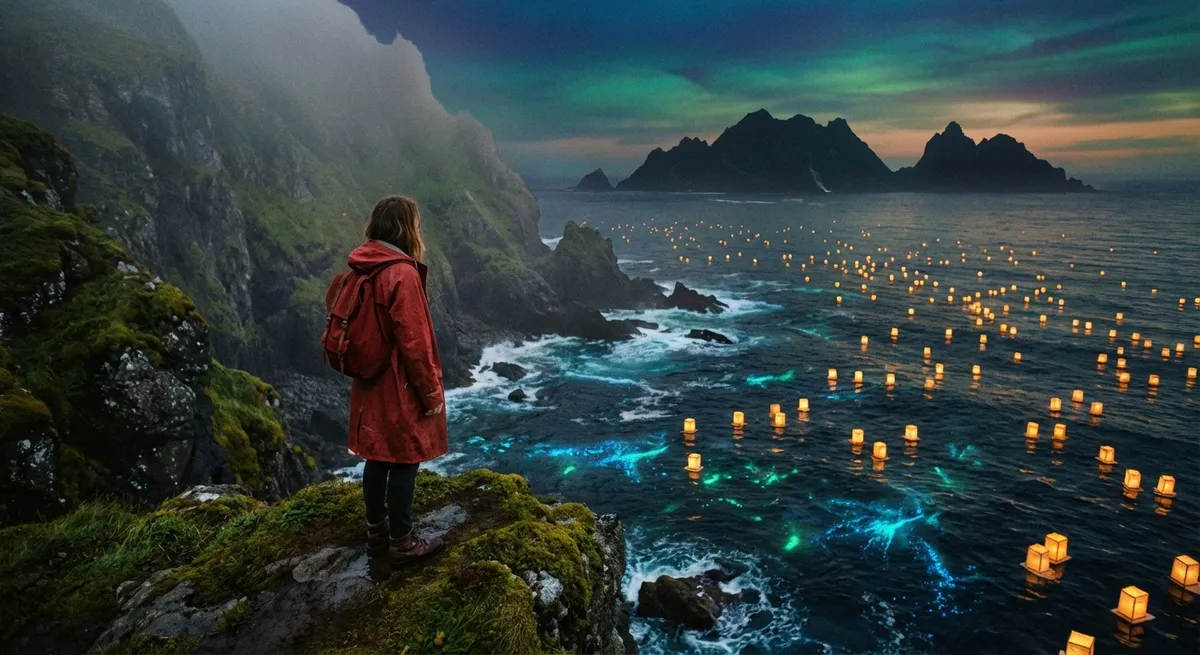
In a world that never stops buzzing, there are still pockets of remarkable quiet. High mountain villages in the Himalayas where prayer flags snap in the wind. Scandinavian islands where winter nights glow with aurora and summer days barely end. Patagonian valleys where the loudest sound is the crack of a distant glacier. These destinations demand effort—multiple buses, small boats, long hikes—but they reward you with something rare: the absence of constant noise and urgency.
Traveling to remote places requires respect and preparation. Learn about local conditions and seasons; weather can flip from gentle to dangerous quickly. Pack layers, emergency essentials, and download offline maps in case your signal disappears with the last paved road. Accept that Wi‑Fi may be weak or nonexistent—and treat that not as a flaw, but as a feature. When the digital world fades, you start noticing things like the crunch of gravel, the shape of distant peaks, the way stars appear one by one until the sky is dense with them. These are the trips where you relearn how to be comfortable with your own company, to sit in silence without reaching for your phone. You don’t just get away from the world—you discover a quieter version of yourself.
Coastal Places Where Water Redefines the Horizon
Not all unforgettable destinations are wild cliffs or remote coves; some are vibrant coastal cities where ocean and culture blur into one experience. Picture the sun sinking behind Table Mountain while waves pound Cape Town’s shoreline, or the pastel streets of Valparaíso climbing above Chile’s Pacific edge. Imagine Croatia’s Adriatic towns, where stone walls meet turquoise water, or the calm, glassy lakes of New Zealand reflecting snow-dusted peaks like mirrors. Water shifts how a place breathes—it cools, reflects, and constantly moves.
To feel the full magic of coastal destinations, engage with the water in more than one way. Take a ferry, kayak at sunrise, or walk an oceanfront trail; changing your vantage point transforms the same place into a new scene. Learn about local marine life and conservation—your presence has an impact, especially in fragile coastal ecosystems. Support local fishermen, markets, and waterfront cafés rather than only big chains; they’re closer to the pulse of the place. And don’t underestimate “off-season” months when storms roll in and crowds vanish. Grey skies, dramatic swells, and empty beaches reveal a wilder, more introspective character you’ll never see in high summer.
Conclusion
The world’s most powerful destinations aren’t defined by fame, but by feeling. They pull you out of autopilot, whether through staggering landscapes, electric neighborhoods, layered histories, profound silence, or the endless motion of the sea. You don’t have to see everything. You just have to choose places that challenge you to see differently—places that stay with you long after your luggage is unpacked.
When you plan your next journey, look for that spark of curiosity, that little jolt of “I’ve never experienced anything like this before.” Let that be your compass. The most meaningful destinations aren’t at the edge of the world—they’re at the edge of your comfort zone, waiting for you to step toward them.
Sources
- UN World Tourism Organization (UNWTO) - Global tourism trends and insights on where and how people are traveling
- National Park Service: Yellowstone National Park - Official information on geothermal features and responsible visitation in Yellowstone
- Iceland Official Tourism (Visit Iceland) - Guidance on exploring Iceland’s unique landscapes responsibly
- U.S. National Oceanic and Atmospheric Administration (NOAA): Ocean Facts - Background on coastal and marine environments that shape many destinations
- UNESCO World Heritage Centre - Authoritative details on historic and natural sites around the world