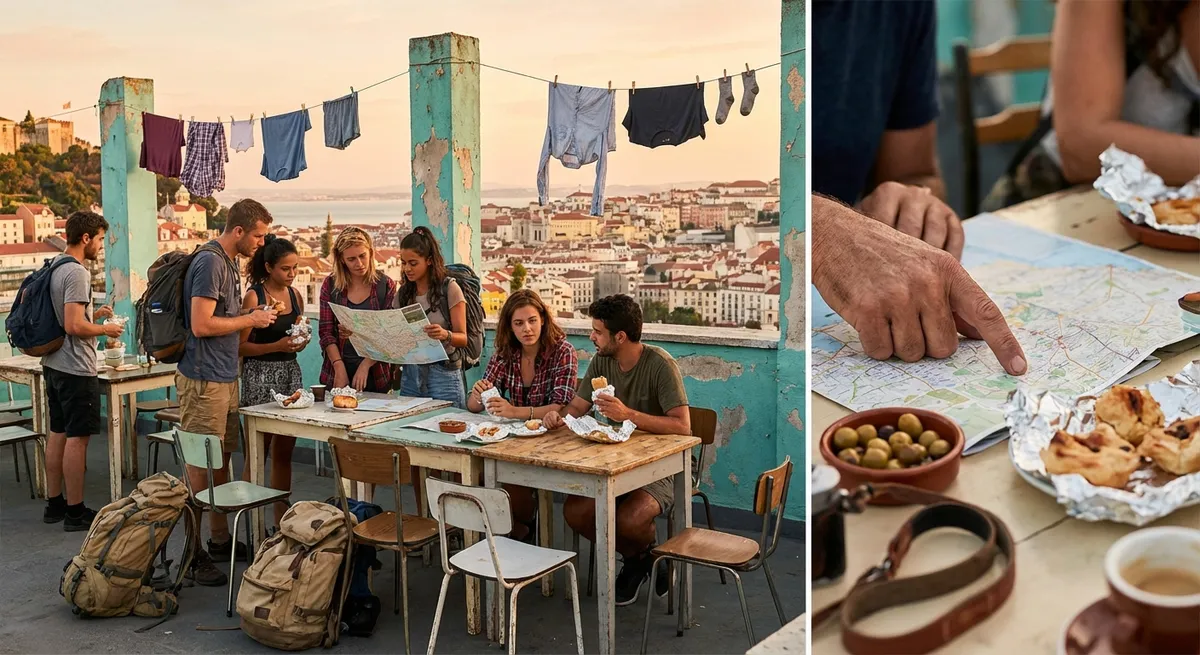
In this guide, you’ll find five powerful, practical ways to turn limited funds into limitless experiences—each one designed to help you travel farther, stay longer, and feel more alive along the way.
Redefine “Luxury”: Chase Depth, Not Decor
True luxury on the road isn’t marble lobbies and infinity pools; it’s time, freedom, and the kind of experiences that settle deep into your memory.
When you’re traveling on a budget, trade high-end hotels for places that connect you to the heartbeat of a destination: family-run guesthouses, hostels with communal kitchens, and cozy homestays. You’re not just saving money—you’re buying access to local tips, real conversations, and invitations you’ll never find in a guidebook.
Instead of splurging on every “must-do” attraction, pick one or two things that genuinely light you up and let everything else be flexible. Maybe that’s a sunrise dive, a street food tour, or a train ride through misty mountains. Let your budget become a filter that reveals what you truly value, not what you’re told to value.
Luxury becomes:
- Waking up to the smell of someone’s home cooking instead of room spray.
- Having an extra day in a city because you chose a night bus over a flight.
- Learning a local phrase that actually makes someone laugh.
The less you spend on surfaces, the more you can invest in stories.
Let Your Route Follow the Cheapest Doorway In
Most trips start with “Where do I want to go?” and then hit a wall called “How much is it?” Flip that script: let the most affordable route become your doorway to places you might never have considered.
Use flexible date and destination tools on flight search engines to scan what’s cheapest from your home airport over a broad window. Maybe you dreamed of Paris, but Lisbon or Budapest tempts you with half the price and twice the adventure. The point isn’t settling—it’s discovering.
Once you’re on the ground somewhere affordable, the rest of the region often opens up cheaply by bus, train, or regional airlines. A low-cost flight into one city can become a chain of short hops between countries, all for less than a single long-haul round trip.
Stay open to:
- Shoulder seasons when crowds thin and prices drop, but magic remains.
- Midweek departures that shave serious money off your budget.
- Secondary airports near major hubs that offer cheaper entry.
Your budget isn’t a barrier; it’s a compass pointing toward routes most people overlook.
Turn Meals Into Adventures, Not Expenses
Food is one of the fastest ways to drain your travel funds—or supercharge your experience.
Skip the tourist strip menus with laminated photos. Follow the lunch crowds of local workers instead. Tiny backstreet spots with handwritten menus often serve food that tastes like someone’s childhood, not a brand campaign. Ask your host, your driver, or your barista: “Where do you eat when you’re hungry and don’t want to spend much?” Then go there.
Transform how you eat on the road:
- Make markets your playground. Pick up fresh fruit, bread, cheese, or local snacks and turn them into picnic feasts in parks, on riverbanks, or overlooking city skylines.
- Choose accommodations with kitchen access. Shop where locals shop, cook a few simple meals, and save your dining-out budget for experiences that truly feel special.
- Embrace street food where it’s common and safe. Follow the longest lines and highest turnover; that’s where ingredients—and flavors—stay fresh.
When you treat every meal as a small exploration rather than an automatic sit-down expense, food becomes both your budgeting superpower and your connection to place.
Travel Slower So Your Money Reaches Further
The quickest way to blow your budget is to race from city to city, country to country, treating travel like a checklist. Slow down, and everything changes: your costs drop, and your connection to each place grows deeper.
Transportation is often one of the biggest expenses. By staying longer in each spot, you’re not just cutting down on tickets—you’re giving yourself time to find the free and low-cost layers of a destination. Local parks, sunset viewpoints, neighborhood cafés, free museum days, community events, and hidden walking paths don’t reveal themselves to people rushing through.
Slower travel also unlocks:
- Weekly or monthly discounts on places to stay.
- Familiarity with local transit, which is cheaper and more authentic than constant taxis or ride-shares.
- Space to do “normal life” things—laundry days, reading in a café, grocery runs—that make travel sustainable instead of exhausting.
Think of your trip not as a sprint to collect photos, but as a long, winding walk where each extra day lets your budget stretch and your memories deepen.
Build a Travel Toolkit That Saves You Money Every Single Day
A smart budget traveler doesn’t just plan once and hope for the best—they build a toolkit that keeps working in the background, trimming costs and unlocking opportunities.
Consider setting up:
- A dedicated travel account where you automatically move a small amount of money each month. Even modest contributions add up faster than you think and make spontaneous deals possible.
- Apps and websites for public transit, offline maps, and language basics, so you’re less dependent on tours or expensive last-minute options.
- A simple packing system with essentials like a refillable bottle, lightweight towel, portable lock, and small first-aid kit, helping you avoid inflated “emergency” purchases on the road.
Research free walking tours, museum free days, city passes that combine transit and attractions, and community events or meetups where locals and travelers intersect. The more informed you are, the more you can say yes to experiences without saying goodbye to your budget.
Your toolkit doesn’t just save money—it gives you confidence. And confidence is what turns a cheap trip into a bold one.
Conclusion
Budget travel isn’t about how little you can live on; it’s about how vividly you can live with what you have. When you trade fancy for flexible, speed for depth, and perfection for presence, the world opens in unexpected ways.
You don’t need to be rich to collect sunrises on new horizons, conversations in unfamiliar languages, or the quiet pride of navigating a foreign city on your own. You just need to start where you are, use what you have, and let curiosity lead the way.
Your next adventure doesn’t have to wait for “someday.” It can start with the next small decision you make—to save, to search, to book, to go.
Sources
- U.S. Department of State – Travel Advisories - Official safety and advisory information to help plan budget trips responsibly
- European Commission – Passenger Rights - Details on air, rail, bus, and boat passenger rights in the EU, useful for budget travelers navigating low-cost carriers and delays
- Lonely Planet – Budget Travel Tips - Practical, globally focused guidance for saving money while traveling
- National Park Service (NPS) - Information on U.S. national parks, many of which offer low-cost or free outdoor adventures
- Rick Steves – Money-Saving Travel Tips - In-depth strategies for stretching your budget across Europe and beyond