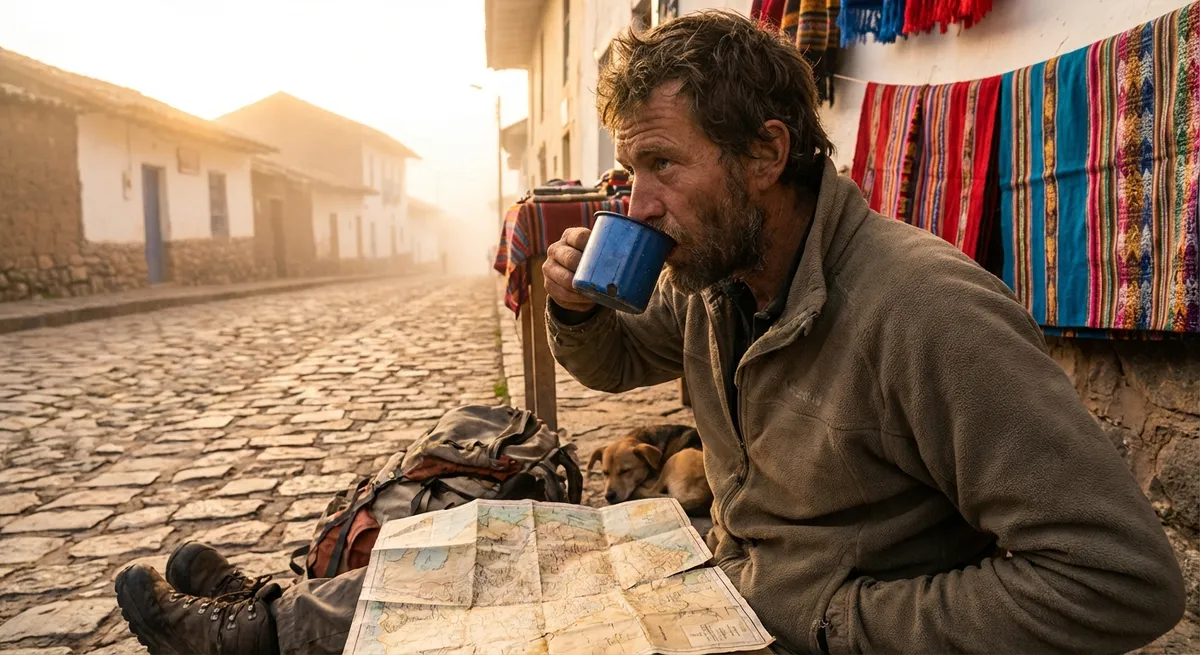
Trading Distance for Depth: Stay Longer, Move Slower
Everyone chases the checklist: as many cities, as many stamps, as many highlights as possible. But travel gets interesting when you reverse that instinct—when you stay put, look closer, and let a place unfold.
Pick a single region instead of a whole continent. Two weeks in one country—say, Portugal’s smaller towns or northern Thailand—can cost less than racing through four capital cities. Weekly rentals are cheaper than nightly stays. Local transport passes beat every “express shuttle.” Staying longer means:
- You discover neighborhood cafés instead of tourist-trap restaurants near major sights.
- You can shop where residents shop: markets, discount supermarkets, and street stalls.
- You get invited—to family dinners, local festivals, pickup games in the park—because you’re no longer just passing through.
Slow travel isn’t just gentler on your wallet; it turns a trip into a temporary life somewhere else. That’s worth more than any sprint through a bucket list.
Sleeping in the Story: Stays That Cost Less but Give More
Where you sleep can either drain your budget or deepen your journey. The trick is to choose beds that come with built-in adventure instead of just a decent lobby.
Hostels are no longer only loud bunk rooms. You’ll find design-forward spaces with coworking corners, private pod beds, and communal kitchens that double as social engines. Guesthouses, homestays, and locally run inns often include breakfast and insider tips you’d never find in a guidebook. Want to push it further?
- House sitting: Watch someone’s home (and sometimes pets) while they’re away in exchange for free accommodation.
- Work exchanges: A few hours of help at a farm, hostel, or eco-project per day can cover your bed and meals.
- Overnight trains or buses: Combine transport and a night’s stay, waking up in a new city without paying for a hotel.
Every alternative stay lowers your nightly cost and raises your chances of waking up in the middle of a story instead of an anonymous chain hotel.
Eating Like You Live There: Turning Meals Into Micro-Adventures
Food is where budget travel shines brightest. You don’t need a white-tablecloth restaurant to experience a place; you need a plastic stool, a crowded counter, or a stall that locals queue for on their lunch break.
Skip the “must-try” spots plastered on every tourist list and follow people who look like they’re on their way to work, school, or home. Street food markets, diners, bakeries, and neighborhood eateries are where the real flavors (and real prices) live. To stretch your funds without shrinking your experience:
- Make one meal a day an adventure: explore a market, test your language skills ordering, try the dish you can’t pronounce.
- Shop like a local: bread, fruit, cheese, and snacks from supermarkets can turn any park bench into a picnic with a view.
- Embrace “menu of the day” or set lunches: in many countries, midday meals offer the best value for a full, local spread.
You’ll remember the steam rising from a street stall at midnight, the vendor laughing at your first clumsy attempt to say the dish’s name, the shared table conversation with strangers—far more than any expensive, predictable restaurant.
Chasing Experiences, Not Attractions: Finding the Free Pulse of a City
Every destination has two price tags: one for its official attractions and another for its everyday magic. The second one is usually free.
Museums with free days, city festivals, park concerts, local sporting events, neighborhood walking tours, and cultural centers often cost little to nothing. But beyond that, your best memories might come from things you’d never see on a travel poster:
- Dawn walks through markets as vendors set up stalls.
- Wandering riverside promenades, beach fronts, or city viewpoints at sunset.
- Joining open community events—language exchanges, dance classes in the park, public lectures, or art openings.
- Exploring street art districts, historic neighborhoods, and local cemeteries or temples that don’t charge admission.
Instead of spending all day in paid attractions, aim for one “big-ticket” activity every few days, then fill the rest with free or low-cost moments that connect you to the city’s heartbeat. Your budget stretches, and your memories deepen.
Turning Constraints Into Game Rules: Making Budget the Adventure
A tight budget doesn’t have to feel like a limitation; treat it like a challenge level. Gamify your trip and your creativity switches on.
Set playful rules before you go:
- One day where every meal comes from street vendors only.
- One day capped at a specific spending limit—how rich can you make it feel?
- One neighborhood to fully explore by foot, no paid transport allowed.
- One local skill or tradition you’ll learn with minimal cost—tea ceremonies, calligraphy, salsa, basic phrases in the local language.
Track your wins like trophies: the cheapest incredible meal, the free viewpoint that rivaled a pricey observation deck, the stranger who helped you find your way. The less you spend, the more you notice, because every choice counts.
When money is unlimited, it’s easy to throw cash at convenience. When money is tight, you’re forced to ask better questions: What really matters today? What will I remember in ten years? That’s where the real adventure hides—inside deliberate choices, not impulse purchases.
Conclusion
Budget travel is not the consolation prize for people who “can’t afford to do it properly.” It’s a different philosophy entirely—a decision to trade polished surfaces for raw texture, fixed itineraries for open doors, purchased comfort for earned wonder.
When you slow down, sleep in places that tell stories, eat where locals eat, follow the city’s free pulse, and treat your budget like a game, your trip stops being a transaction and becomes a transformation. The world doesn’t open only for those with thick wallets; it opens for those willing to meet it halfway, with curiosity, flexibility, and a readiness to be surprised.
Your next journey doesn’t have to wait for “someday” money. It starts the moment you decide that the richest trips are measured not in what you spend, but in how boldly you show up.
Sources
- U.S. Department of State – Travel Advisories – Official safety and advisory information to help you plan budget trips responsibly
- Hostelworld Blog – Insights on hostels, work exchanges, and budget-friendly accommodation options around the world
- Lonely Planet – Budget Travel Tips – Practical guidance on saving money while still having meaningful experiences abroad
- Rick Steves – Travel on a Budget – Advice on cutting travel costs, from accommodations to daily spending
- Numbeo Cost of Living – Crowdsourced data to compare prices for food, transport, and housing in cities worldwide