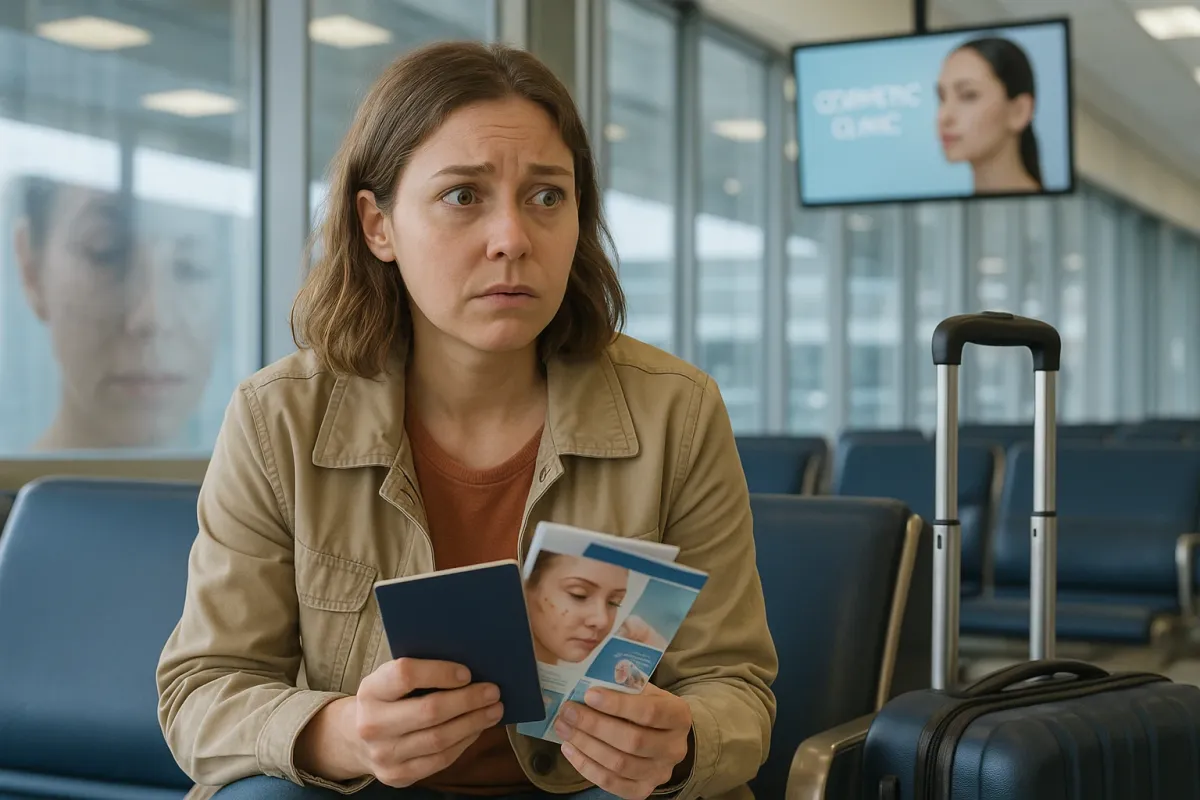
But when a life‑changing getaway turns into a life‑threatening emergency, the true cost becomes painfully clear.
If you’ve ever thought, “What if I combine a bucket‑list country with a body transformation?” this guide is for you. You can still chase adventure, still explore the world—but your health has to travel first class, every single time.
Below are five powerful, practical tips to help you navigate the rising trend of cosmetic surgery trips abroad without gambling your future.
Treat Your Surgeon Like a Mountain Guide, Not a Tour Host
A safari guide can change your trip. A bad surgeon can change your life.
The recent case of the young mom in Vietnam is a stark reminder that you’re not just booking a hotel and a flight—you’re effectively handing your life to a stranger for several hours. That deserves more research than a weekend in Paris. Start by verifying credentials with official medical boards in the destination country, not just glossy clinic websites or Instagram reels. Many reputable surgeons abroad train in Europe or North America and hold memberships in organizations like ISAPS (International Society of Aesthetic Plastic Surgery); cross‑check those claims directly on association sites.
Request video consultations, not just DMs, and pay attention to how they handle your questions about risk, aftercare, and complications. A great surgeon will talk you out of unnecessary procedures or rushed timelines. If a clinic responds faster about deposit payments than about medical questions, that’s your red flag. You’re not hunting for the cheapest deal—you’re searching for the most trustworthy guide through one of the riskiest “adventures” you can take.
Build a “What If It Goes Wrong?” Plan Before You Leave Home
Adventurous travelers plan for storms, lost luggage, and missed trains. Cosmetic travelers need to plan for worst‑case scenarios involving their own bodies.
The Vietnam surgery headline hit hard because the consequences were so extreme: an ordinary‑seeming procedure, a popular destination, and suddenly a young traveler is fighting for her life. Before you book anything, find out what emergency care looks like locally. Where is the nearest major hospital with an ICU? Does your surgeon have admitting privileges there? Who coordinates if something goes wrong at 2 a.m.?
You also need to know what will happen when you fly back. Many complications—blood clots, infections, wound breakdown—show up days or weeks later, often after you’re home posting “after” photos. Talk to your primary doctor before you go; make sure they’re willing to support your recovery and know exactly what procedure and anesthesia you’re getting. Ask your potential surgeon to send a clear procedure note and post‑op instructions in English for your home doctor. That way, if the dream trip turns sideways, you’re not improvising your medical story in an ER waiting room.
Rebuild Your Itinerary Around Healing, Not Sightseeing
One of the most dangerous myths in the current medical tourism boom is the “vacation + quick nip‑tuck” fantasy—temples in the morning, surgery in the afternoon, beach photos by sunset. It looks aspirational on Instagram; it’s reckless in real life.
Major procedures like BBLs, tummy tucks, or multiple combined surgeries require serious downtime. In hot, humid destinations like Vietnam or Thailand, that means extra infection risk if you’re wandering sweaty streets or swimming in questionable water. Design your trip like a recovery retreat, not a highlights reel: think airy, quiet accommodation close to your clinic or hospital; limited stairs; easy food access; and zero pressure to “make the most” of your time there.
Instead of jamming your schedule, invite slow travel into your healing: gentle balcony sunrises, room‑service pho instead of crowded street stalls, a single short, guided city tour after your surgeon clears you—if they clear you. Let your adventure be in the culture of care: learning a few local words to speak to nurses, understanding how health is approached in that country, noticing ways people rest, recover, and reconnect to their bodies. You’re not failing at travel if you choose stillness; you’re respecting the journey your body is on.
Insure the Trip Like Your Life Depends On It—Because It Might
Standard travel insurance often doesn’t cover elective cosmetic procedures—especially if you’re flying to a known surgery hub purely for that purpose. That means if you end up in intensive care, like the traveler in Vietnam, you or your family could be staring down a mountain of bills on top of the emotional shock.
Before booking flights, talk to multiple insurers and ask very specific questions:
- Does this policy cover complications from scheduled cosmetic surgery abroad?
- Are medical evacuations back to my home country included—and up to what amount?
- Will they cover additional hotel nights or flight changes if I’m medically unfit to travel?
If you can’t find appropriate coverage, treat that as a serious warning, not a minor inconvenience. Your budget should include a “disaster fund” for extended accommodation, upgraded flights (you may need more legroom or direct routes post‑surgery), and unexpected local hospital care. The safest, bravest travelers aren’t the ones who fear nothing—they’re the ones who respect risk enough to prepare for it thoroughly.
Don’t Let Someone Else’s Face Become Your Flight Plan
In the current era of celebrity transformations and influencer “glow‑up” tours, it’s dangerously easy to build an entire trip around chasing someone else’s reflection. Reports around the Vietnam case mention Kylie Jenner‑inspired aesthetics—proof of how powerful beauty narratives can be when backed by algorithms and ad budgets.
Take time—real, offline time—to write down your reasons for considering surgery abroad. Would you still want this if it meant zero social media posts and no one ever knew you did it? Would you still pick this country, this clinic, this surgeon if there were no filters, no viral “after” trends, no comments section?
Travel at its best expands your sense of self; it doesn’t erase it. If you do choose to combine travel with transformation, let the destination shape your inner story more than your outer one. Sit by the Mekong at dawn, wander Hanoi’s quiet side streets at dusk, learn how locals talk about aging, beauty, and strength. Let your journey be less about becoming a copy of a celebrity and more about becoming a fuller, freer version of yourself—one that honors both your dreams and your safety.
Conclusion
The headline about a young mom on life support in Vietnam isn’t a horror story from some distant world—it’s a snapshot of where travel, beauty culture, and risk are colliding right now. The rise of cosmetic surgery tourism won’t slow down anytime soon. But we can choose how we approach it.
If you’re dreaming of boarding a plane and stepping into a new chapter of your life, hold on to that sense of possibility. Just pair it with relentless research, unapologetic caution, and a deep respect for your body as your single most important travel companion.
Adventure is not about how far you go, or how dramatic your “before and after” looks. It’s about how fully you get to live the life that comes after the trip—and that starts with making sure you come home safe.